
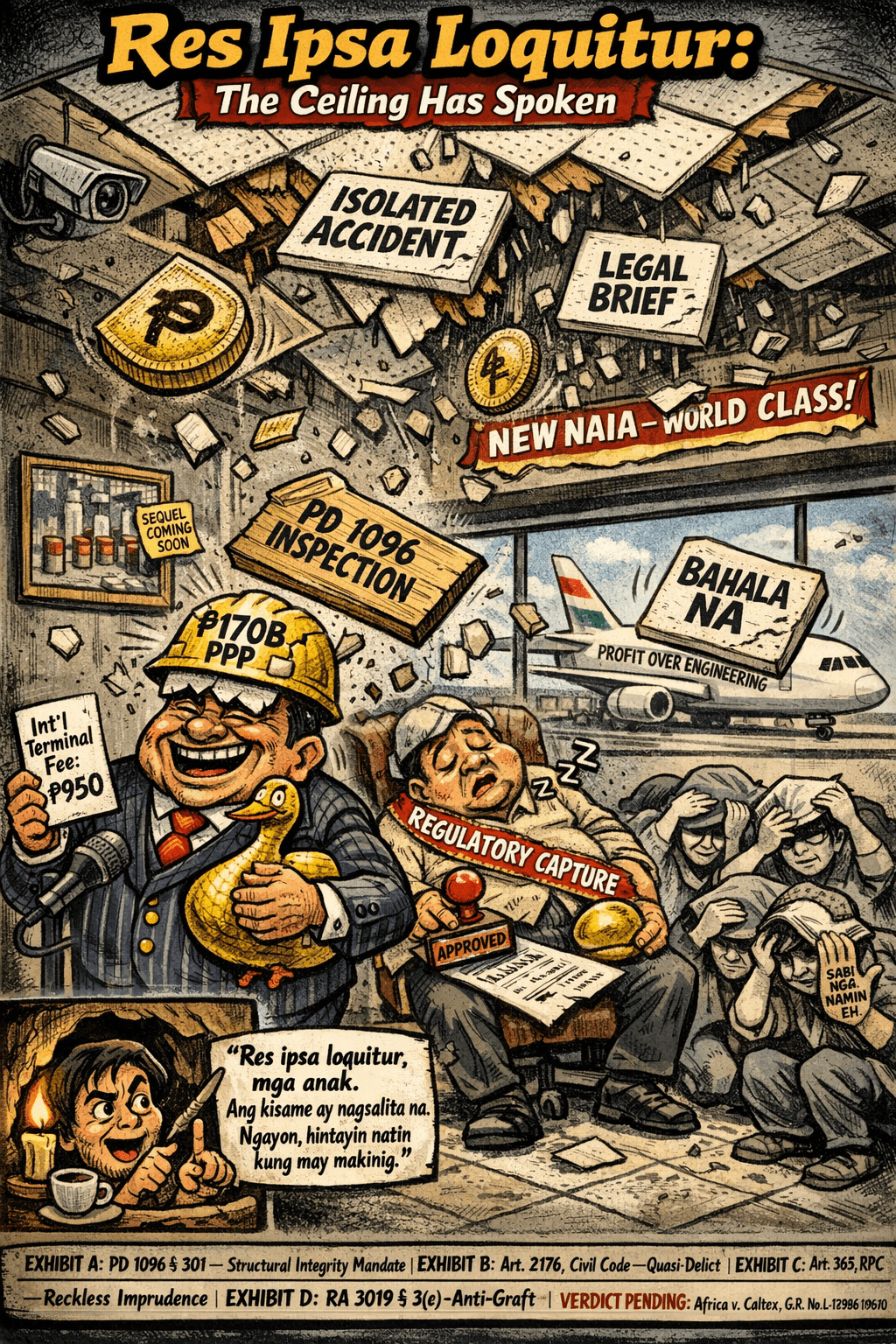
As the Philippines finds itself ensnared in yet another debilitating power crisis, the glaring absence of foresight and accountability within our energy regulatory bodies emerges as a glaring culprit, casting the nation into a bleak shadow of uncertainty and instability. The recent forced outages of several power plants, leading to red and yellow alerts in the Luzon and Visayas grids, serve as a stark reminder of the catastrophic consequences of governmental negligence.
Let us dissect the layers of incompetence that have contributed to this dire situation. The Energy Regulatory Commission (ERC), tasked with overseeing the performance of stakeholders and ensuring compliance with maintenance and technical standards, has woefully failed in its duty. Despite being mandated to review and monitor the operations of power plant operators, the ERC has stood idly by as aging power plants falter under the strain of demand.
Chairperson and CEO Monalisa Dimalanta’s promise of a thorough investigation rings hollow in the face of years of inaction and neglect. The ERC’s failure to anticipate and address the challenges facing the energy sector has left millions of Filipinos at the mercy of unreliable power supply, with devastating consequences for businesses and households alike.
But the blame does not rest solely on the shoulders of the ERC. The Department of Energy (DOE), charged with ensuring a stable and sufficient power supply, has also failed to fulfill its mandate. Despite the soaring demand for electricity during the peak summer months, the DOE has been content to issue vague statements and calls for public cooperation, offering little in the way of concrete solutions.
The roots of this crisis lie in the past administration’s failure to facilitate the construction of new power plants, as noted by analysts and industry experts. The uncertainty surrounding the power supply has deterred much-needed investments in the energy sector, exacerbating an already precarious situation. The lack of long-term planning and investment in infrastructure has left the nation vulnerable to the whims of an aging power grid ill-equipped to handle the demands of a growing population.
Moving forward, drastic measures must be taken to prevent a recurrence of this crisis. The ERC and DOE must be held accountable for their negligence, with appropriate penalties imposed on those responsible for the lapses that have brought about this dire situation. Moreover, steps must be taken to expedite the construction of new power plants and modernize existing infrastructure to ensure a reliable and stable power supply for the future.
Furthermore, the government must actively encourage investments in renewable energy sources to diversify the nation’s energy mix and reduce reliance on fossil fuels. The transition to cleaner and more sustainable energy sources is not only imperative for environmental reasons but also essential for ensuring the long-term stability and security of our energy supply.
In conclusion, the power crisis gripping the nation is a direct result of the failure of government agencies to anticipate and address the challenges facing the energy sector. The ERC and DOE must be held accountable for their negligence, and urgent action must be taken to prevent a recurrence of this catastrophic failure. Anything less would be a betrayal of the trust placed in our regulatory bodies and a disservice to the Filipino people.


 KWEBA ni BAROK
Leave a comment