Amidst the shifting tides of international relations, where tensions simmer and alliances shift like sand in the wind, a warning from the Bank of America (BofA) has sent ripples of concern through the Philippine economy. According to a recent report, a further deterioration in diplomatic relations between Manila and Beijing, fueled by escalating tensions over the West Philippine Sea (WPS), could spell trouble for the Philippines’ economic future.
BofA’s dire predictions paint a bleak picture, highlighting the potential impact of heightened tensions on Chinese trade, tourism, and investments in the Philippines. With China serving as the Philippines’ largest trading partner and a significant source of tourism revenue, any disruption in these economic ties could have far-reaching consequences for the country’s growth prospects.
But before we succumb to a state of collective panic, let us pause to examine the validity of these dire prognostications. While it is true that tensions in the WPS have reached a boiling point in recent years, history has shown that economic ties between nations often transcend political squabbles and territorial disputes.
Take, for example, China’s relationship with India, a country with which it shares a long history of border disputes and geopolitical tensions. Despite occasional flare-ups along their disputed border, China remains one of India’s largest trading partners and a significant investor in its economy. Similarly, China maintains robust economic ties with a host of other countries, even as it navigates complex geopolitical rivalries and territorial disputes.
Furthermore, the notion that China would engage in economic warfare against the Philippines as a form of retaliation for political disagreements seems speculative at best. While the Chinese government is known for its assertive foreign policy stance, it is unlikely to jeopardize its own economic interests by engaging in punitive measures against a relatively small trading partner like the Philippines.
However, should BofA’s worst fears come to pass, and China indeed weaponizes trade against the Philippines, it would be a reckless and short-sighted move on Beijing’s part. Such actions would not only undermine regional stability but also tarnish China’s reputation as a responsible global actor committed to peaceful coexistence and mutual prosperity.
In the event that BofA’s speculations materialize, the Philippines must be prepared to respond with resilience and determination. While economic ties with China are undoubtedly important, they are not the sole determinant of the Philippines’ economic future. The government must redouble its efforts to diversify its trade relationships and attract investment from other countries to mitigate the potential fallout from any disruption in its ties with China.
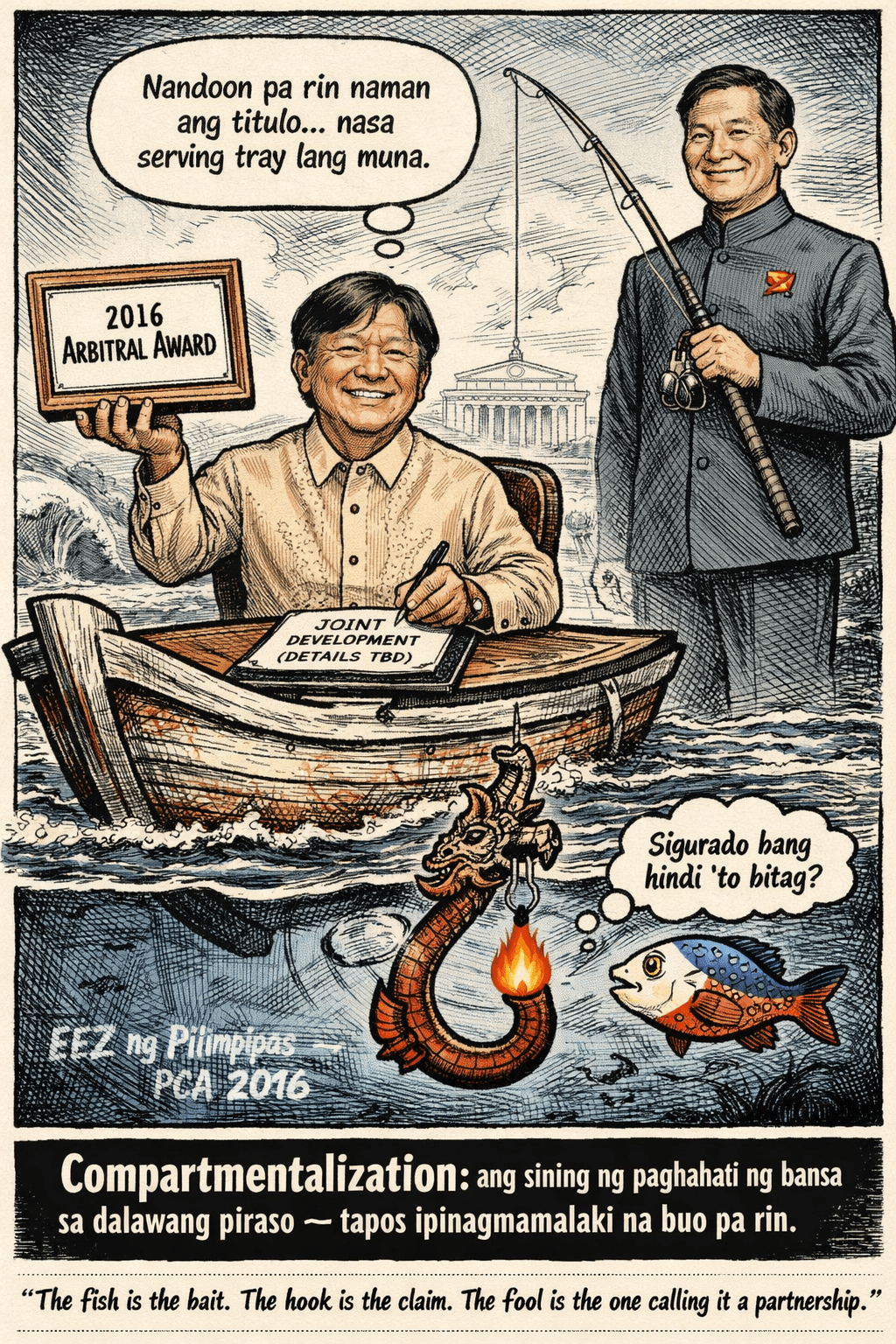
Moreover, Manila must continue to assert its territorial rights in the WPS while pursuing avenues for peaceful dialogue and cooperation with Beijing. By striking a delicate balance between safeguarding its sovereignty and maintaining economic stability, the Philippines can navigate the choppy waters of geopolitics with confidence and resilience.

Hello,
I’m Louis ‘Barok’ Biraogo

Let’s connect
Join the fun!
Stay updated with our latest tutorials and ideas by joining our newsletter.



 KWEBA ni BAROK
Leave a comment