In the ever-volatile landscape of Philippine politics, alliances are forged in the crucible of necessity and ambition. As the nation teeters on the brink of the 2025 midterm elections, President Ferdinand “Bongbong” Marcos Jr.’s Partido Federal ng Pilipinas (PFP) has embarked on a formidable alliance with the Nationalist People’s Coalition (NPC), a maneuver poised to reshape the political terrain.
NPC Chairperson and former Senate President Vicente Sotto III encapsulated the essence of this partnership, emphasizing a shared vision of “genuine unity, strength, and continued positive change.” This alliance is not a mere convergence of political convenience; it is a robust framework built on mutual respect and a common agenda.
The NPC, with its considerable influence, brings nearly 4,000 members to the table, including 1,910 incumbent officials. This sheer numerical strength, combined with the NPC’s historical support for sitting presidents, offers a bedrock of stability and a powerhouse of political machinery ready to mobilize at a moment’s notice. Sotto’s assertion that this alliance will “foster cooperation and strong support for our President” underscores a symbiotic relationship designed to bolster Marcos’ governance and legislative agenda.
This coalition, formalized amidst the bustling streets of Makati City, signals a meticulously crafted strategy. With the NPC’s five Senate seats and 38 House seats, Marcos gains not just numbers but seasoned legislators and political operatives, adept at navigating the complexities of Philippine politics. This partnership extends beyond mere electoral success; it is a pledge to drive forward a shared vision for national development.
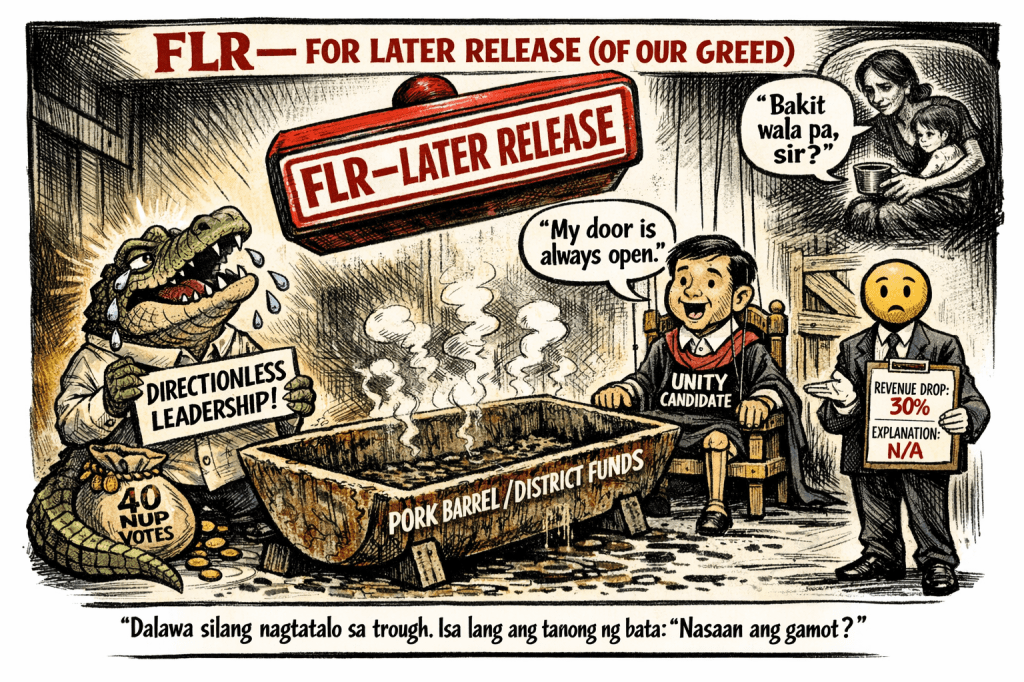
Furthermore, this alliance is a critical component of a broader coalition-building strategy. The PFP’s earlier alignment with Lakas-Christian Muslim Democrats, led by Marcos’ cousin House Speaker Martin Romualdez, already set the stage for a unified front in the Senate race. This new partnership with NPC fortifies this bloc, creating a formidable force capable of dominating legislative discourse and policy-making.
Marcos’ aspiration to ally with the Nacionalista Party (NP) and the National Unity Party (NUP) further exemplifies a strategic calculus aimed at consolidating power and ensuring a seamless implementation of his administration’s agenda. Surigao del Norte Representative Ace Barbers of the NP’s welcoming stance towards this grand coalition reveals an acknowledgment of the strength and strategic advantage such an alliance would bring.
In examining this alliance, one cannot overlook the inherent strengths of the NPC. Historically, the NPC has demonstrated unwavering support for the sitting president, providing a reliable backbone during legislative battles and crucial policy implementations. Their extensive network of incumbent officials ensures a broad-based support system, facilitating grassroots mobilization and a robust campaign infrastructure.
Moreover, the ideological alignment between the PFP and NPC, centered around unity and progressive change, offers a coherent and compelling narrative to the electorate. This alignment promises not only electoral success but also a stable and effective governance framework, crucial for navigating the economic and social challenges that lie ahead.
As the PFP and NPC formalize their alliance, the political landscape of the Philippines stands on the cusp of a transformation. This alliance, built on shared values and strategic foresight, is poised to not only secure electoral victory but also to lay the groundwork for sustained national progress.
In the intricate dance of Philippine politics, where alliances can make or break administrations, Marcos’ strategic partnership with the NPC emerges as a masterstroke. It is a testament to the power of unity, the strength of collaboration, and the promise of a brighter future for the Filipino people. As the nation looks ahead to the 2025 midterms, this alliance stands as a beacon of hope, signaling a new dawn in Philippine governance.
Hello,
I’m Louis ‘Barok’ Biraogo

Let’s connect
Join the fun!
Stay updated with our latest tutorials and ideas by joining our newsletter.

 KWEBA ni BAROK
Leave a comment