By Louis ‘Barok‘ C. Biraogo
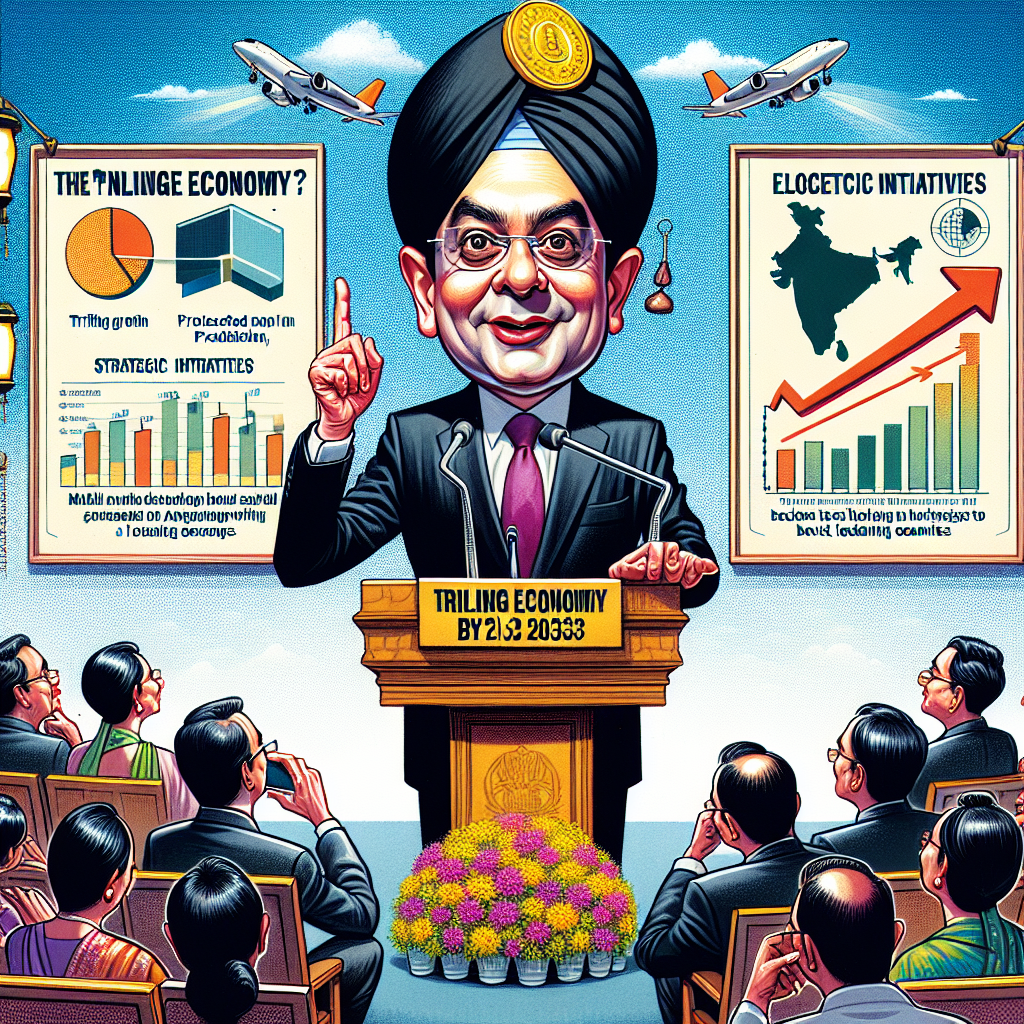
In a stirring proclamation, Finance Secretary Ralph Recto unveiled a vision that could transform the Philippines into an economic juggernaut, tripling its economy by 2033 and catapulting it into the ranks of Asia’s powerhouses. This bold forecast, announced during the Philippine Economic Briefing in Manila, offers a tantalizing glimpse into a future where the Philippines stands shoulder to shoulder with giants like China, Japan, India, and South Korea.
Recto’s projections, while ambitious, rest on a solid foundation of economic indicators and strategic initiatives. Despite the headwinds from global economic uncertainties, the Philippines is poised to outpace its ASEAN neighbors with a projected growth rate of 5.8 to 6.3 percent in 2024, climbing even higher to 5.9 to 6.5 percent in 2025. This trajectory, if maintained, would see the Philippines ascend to the league of trillion-dollar economies in less than a decade.
Consider the profound implications of this growth. A tripling of the economy would not merely be a statistical marvel but a seismic shift in the nation’s economic landscape. Recto’s forecast of the Philippines overtaking France to become the 14th largest economy by 2075 underscores the transformative potential of the country’s economic policies and growth strategies.
Central to this vision is a commitment to bolstering growth through a whole-of-government approach aimed at arresting inflation and ensuring food security. These measures are not just reactive but proactive strategies designed to create a stable economic environment conducive to sustained growth. The recent data from the Philippine Statistics Authority, showing a 5.7 percent expansion in the first quarter, highlights a positive trend, though it fell short of the government’s more ambitious targets.
The expanding middle class is another pillar supporting this optimistic forecast. More Filipinos are now engaged in formal, stable employment, which is a critical indicator of economic health and social stability. Recto’s observation that this trend points to an emerging upper-middle-income country is not mere rhetoric; it signals a significant shift in the economic dynamics that could elevate the Philippines on the global stage.
The potential doubling of the average annual income per person to $6,500 by 2030 reflects a broader trend of rising prosperity. This increase in disposable income is expected to position the Philippines as the world’s 13th-largest consumer market by 2030, opening up vast opportunities for both local and foreign businesses. The implications for domestic consumption, investment, and overall economic dynamism are profound.
But how should Filipinos navigate this promising yet challenging landscape? First, there must be a collective commitment to supporting and participating in the government’s growth-enhancing strategies. This includes embracing innovation, fostering entrepreneurship, and investing in education and skills development to ensure the workforce is equipped for the demands of a rapidly evolving economy.
Moreover, it is imperative for Filipinos to maintain a vigilant optimism. While the economic forecast is bright, it is essential to remain mindful of the potential challenges and disruptions that could arise. By staying informed and engaged with economic policies and trends, citizens can contribute to and benefit from the nation’s growth.
In conclusion, Ralph Recto’s pronouncement is a clarion call for a nation on the cusp of a historic economic transformation. The promise of a tripling economy by 2033 is not just a dream but a realistic goal grounded in sound economic planning and strategic vision. As the Philippines embarks on this ambitious journey, the collective efforts of its people, coupled with prudent and innovative government policies, will be crucial in turning this vision into reality. The future beckons with the promise of unprecedented growth and prosperity, and it is a future that Filipinos must seize with both hands.







 KWEBA ni BAROK
Leave a comment