By Louis ‘Barok‘ C. Biraogo
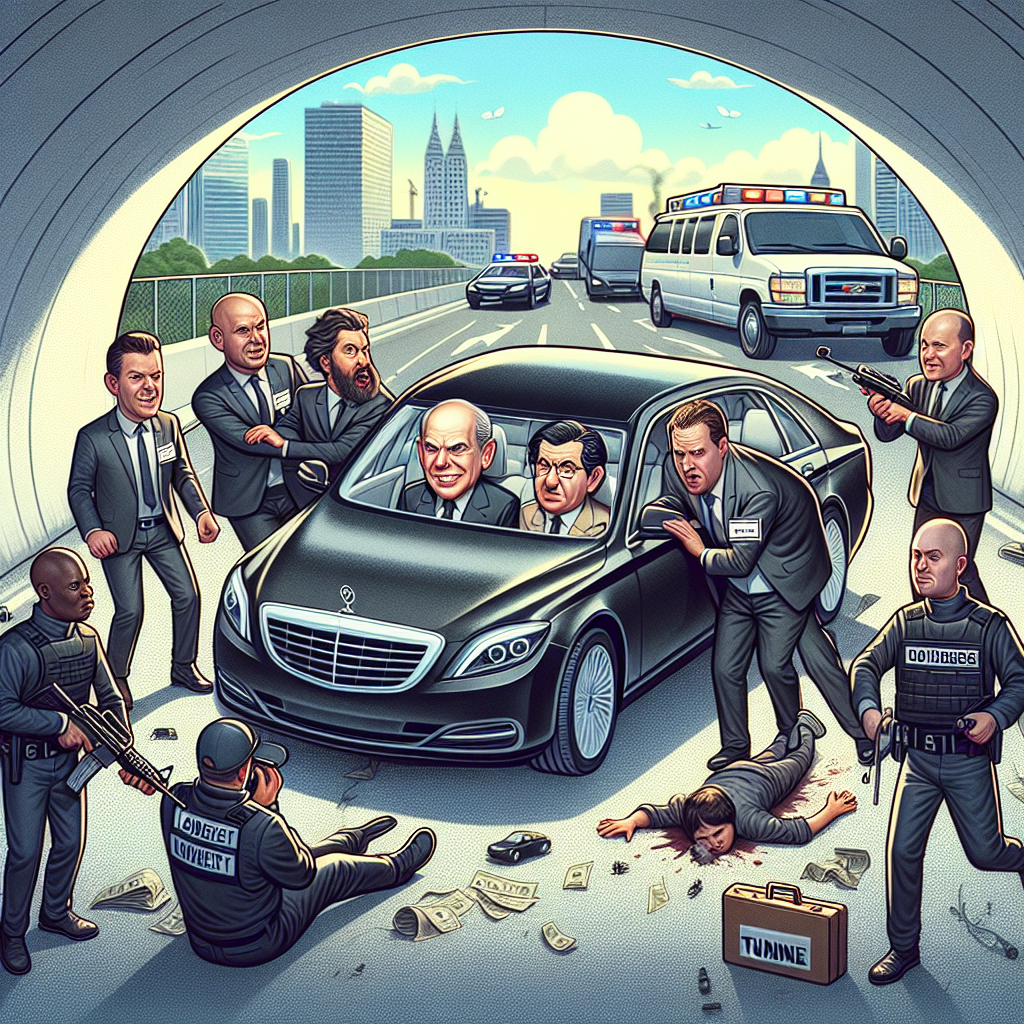
The shocking arrest of Gerard Raymond Talusan Yu, a businessman implicated in the fatal road rage shooting in the Edsa Ayala tunnel, leaves us grappling with the dark undercurrents of unchecked anger on our streets. Yu’s actions on May 28, 2024, were not just a momentary lapse but a monstrous manifestation of lethal arrogance, casting a pall over Manila and shaking our collective conscience.
At approximately 2:30 p.m. on that fateful day, 65-year-old family driver Aniceto Mateo was senselessly gunned down while driving a white Toyota Innova. Yu, ensconced in the luxury of his vehicle, a black Mercedes Benz, fired the shot that ended Mateo’s life and turned a routine journey into a nightmare for the surviving passengers—a household help and a minor, who, though unharmed physically, will undoubtedly carry the psychological scars of this event forever. The sheer brutality of shooting a man over a traffic altercation—a commonplace inconvenience—defies comprehension.
Authorities, led by Local Secretary Benhur Abalos Jr. and the diligent National Capital Region Police Office under Major General Jose Melencio Nartatez, acted with commendable efficiency. Yu was apprehended in Pasig City, and the evidence against him is damning. The presence of gunpowder residue, the matching ballistics of his Taurus Caliber .40, and the positive identification by an eyewitness leave little room for doubt. The swift recovery of the murder weapon and the vehicle used in the crime underscore the thoroughness and commitment of our law enforcement agencies.
But as we laud the authorities for their swift action, we must also confront the broader epidemic of road rage that this incident starkly highlights. Across the globe, road rage remains a virulent issue, leading to tragedies that shatter lives in an instant. In the United States, the National Highway Traffic Safety Administration reports that aggressive driving contributes to 56% of fatal crashes. The 2016 incident in Las Vegas, where an enraged driver plowed into pedestrians on the Strip, killing one and injuring dozens, serves as a grim reminder of the potential for chaos when anger takes the wheel.
Countries like Australia have taken significant steps to mitigate such violence, implementing stringent penalties for aggressive driving and promoting campaigns aimed at fostering patience and understanding on the roads. Similarly, in the United Kingdom, road rage incidents are met with severe legal consequences, including lengthy prison sentences and hefty fines, deterring potential aggressors.
The incident involving Gerard Raymond Talusan Yu is a chilling echo of these international cases, underscoring the urgent need for systemic changes in our own traffic laws and societal attitudes. The fatal shooting of Aniceto Mateo must not be in vain. It is imperative that Talusan faces the full extent of the law, prosecuted to the highest degree for this heinous act. Justice for Mateo and his grieving family demands nothing less.
Furthermore, we must call for comprehensive measures to curb road rage. This includes enhanced driver education focused on conflict de-escalation, stricter enforcement of traffic regulations, and robust public awareness campaigns. The tragic fate of Aniceto Mateo should galvanize us into action, ensuring that our streets are safe for all and that such senseless violence becomes a rarity.
In concluding, let us remember that justice for Mateo is not just about punishing the perpetrator but about addressing the root causes of road rage and preventing future tragedies. We owe it to Mateo and to all victims of road rage to make our roads safer, our laws tougher, and our society more compassionate. The road to justice is long and winding, but with resolve and action, we can navigate it together.






 KWEBA ni BAROK
Leave a comment