By Louis ‘Barok‘ C. Biraogo
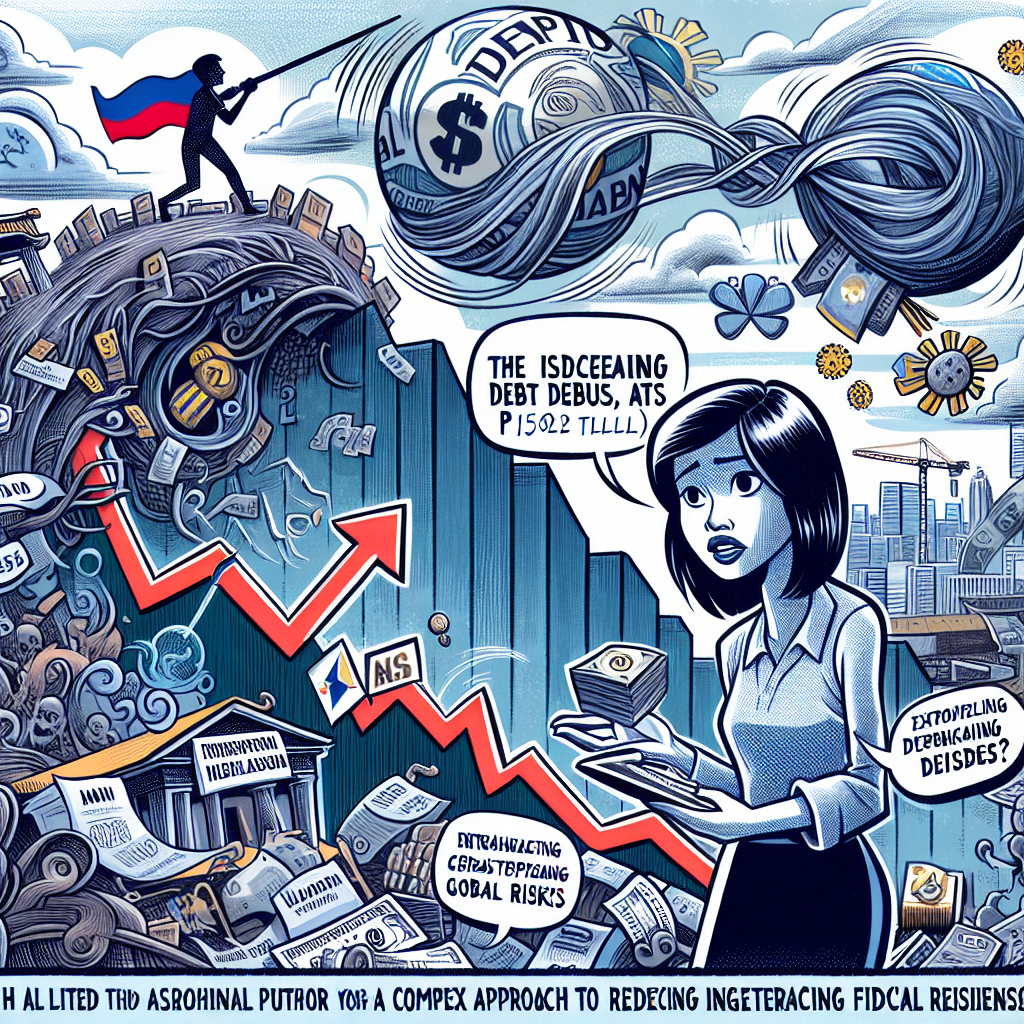
In the complexity of fiscal health, few tales are as riveting—and as alarming—as that of the Philippines’ burgeoning debt, which now stands at a staggering P15.02 trillion. This eye-watering figure, reported by Keisha Ta-Asan of The Philippine Star, paints a sobering portrait of a nation grappling with escalating financial obligations exacerbated by both economic forces and geopolitical tremors. As the peso buckles under the weight of a stronger dollar, the implications of this debt pile become ever more profound.
The Bureau of the Treasury’s data reveals that the debt rose by 0.6 percent from March to April alone, but the year-on-year surge is even more telling—a 7.9 percent increase from P13.91 trillion. This steep climb is primarily attributed to the depreciation of the peso against the dollar and a spate of fresh borrowings. The peso’s value, which breached the 57 to $1 threshold in April and continued to plummet past 58 to $1 in May, inflates the cost of servicing dollar-denominated debt, magnifying the fiscal strain.
This dynamic, where external debt burdens balloon due to currency depreciation, underscores a perilous cycle. Robert Dan Roces, Security Bank’s chief economist, and Michael Ricafort from Rizal Commercial Banking Corp. have pointed out that geopolitical risks—particularly the Israel-Iran conflict—have also played a role, pushing the government towards more prudent hedging strategies. These factors together paint a complex picture of a nation navigating both internal fiscal policies and external economic pressures.
Despite a budget surplus reported for the month, the national debt continued its upward trajectory, hinting at structural challenges. A significant chunk of this debt, 68.64 percent, is domestically sourced, yet even this is not immune to the currency’s woes. The depreciation of the peso has inflated the value of foreign-currency-denominated domestic debt, further entangling the fiscal web.
What does this mean for the Philippines’ fiscal health? The diagnosis is mixed, at best. On one hand, the government’s ability to maintain a budget surplus is commendable. It indicates a measure of fiscal discipline amidst a challenging economic landscape. On the other hand, the relentless climb of the debt stock, driven by currency fluctuations and fresh borrowings, signals potential vulnerabilities. High debt levels can stifle economic growth, crowd out private investment, and limit the government’s ability to respond to future crises.
To mitigate these risks and fortify its fiscal health, the Philippines must consider a multifaceted approach:
1. Strengthening the Peso: Stabilizing the currency should be a priority. This can be achieved through monetary policies that curb inflation and boost investor confidence. Maintaining robust foreign exchange reserves and exploring measures to increase foreign direct investments can provide the peso with much-needed support.
2. Diversifying Debt Sources: Reducing reliance on foreign-currency-denominated debt can shield the economy from exchange rate volatility. By increasing the issuance of peso-denominated bonds and exploring innovative financing options, the government can mitigate the risks associated with external debt.
3. Enhancing Revenue Generation: Expanding the tax base and improving tax collection efficiency can bolster government revenues. Policies that promote economic growth, such as infrastructure development and support for key industries, can also enhance the revenue stream.
4. Expenditure Management: Prudent fiscal management requires not just generating more revenue, but also ensuring that spending is efficient and targeted. Investing in high-impact areas such as education, healthcare, and infrastructure can stimulate long-term economic growth and improve the country’s debt servicing capacity.
5. Promoting Public-Private Partnerships: Encouraging private sector participation in funding and executing large-scale projects can reduce the fiscal burden on the government and leverage private sector expertise and efficiency.
In the grand tapestry of national economics, the story of the Philippines’ debt is still unfolding. The nation’s leaders face the daunting task of steering through these fiscal rapids with a steady hand and clear vision. The road ahead is fraught with challenges, but with strategic foresight and unwavering commitment to sound fiscal practices, the Philippines can navigate this storm and emerge with a healthier, more resilient economy. The eyes of the world are watching; the time for decisive action is now.

Louis ‘Barok‘ C. Biraogo






 KWEBA ni BAROK
Leave a comment