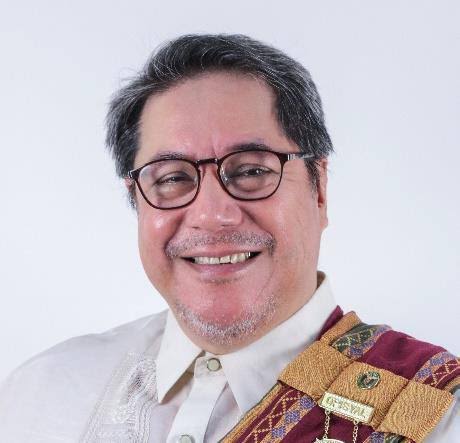
By Louis ‘Barok’ C. Biraogo
In the dim corridors of the Department of Health, an urgent crisis unfolds with the chilling whisper of statistics: 55 new HIV cases emerge daily in the Philippines. Health Secretary Teodoro Herbosa stands at the forefront of this battle, confronting a surge that threatens the nation’s youth with relentless ferocity. As the numbers swell, Herbosa’s initiatives stand out as a guiding light in a landscape shadowed by the specter of HIV.
With 59,000 Filipinos currently living with HIV, one might argue that this is a relatively low figure for a country of 110 million. Yet, it is the daily case rate that sends shivers down the spine—a stark indicator of a burgeoning epidemic. Alarmingly, the most vulnerable are the youth, some as young as 15, teetering on the precipice of a life altered by this virus.
Herbosa’s strategy, however, is as thorough as it is compassionate. Recognizing the experimental and curious nature of the youth, he has sounded the clarion call for heightened education and awareness. This is not just about disseminating information; it’s about crafting a narrative that resonates with the young, urging them to understand the grave risks that accompany their curiosity.
The partnership with Vice President Sara Duterte signifies a robust governmental alignment, aiming to embed HIV education into the fabric of youth engagement. Herbosa’s approach is holistic, seeking to transform awareness into action, and prevention into a cultural norm. This is not merely a campaign; it’s an urgent mobilization against an invisible foe.
But Herbosa’s vision doesn’t stop at education. He is also advocating for the decentralization of antiretroviral treatment (ARV), a pivotal move in broadening access to life-saving medication. Currently, ARVs are confined within the walls of government health institutions, accessible only through PhilHealth. This bureaucratic bottleneck can be fatal, stymieing timely treatment. By proposing that ARVs be made available in the private sector, Herbosa aims to dismantle these barriers, empowering individuals with the autonomy to seek treatment on their terms.
This initiative is not just about increasing availability; it’s about weaving a safety net that catches those who might otherwise slip through the cracks of the public health system. By enabling doctors and guardians to access ARVs more freely, Herbosa is advocating for a healthcare ecosystem that is responsive, flexible, and humane.
Yet, this battle cannot be waged by the government alone. It demands a chorus of voices, a swell of public support that transcends apathy and ignites action. The public must rally behind these initiatives, for the stakes are nothing less than the lives of the nation’s youth.
To fortify Herbosa’s commendable efforts, several recommendations emerge. First, the integration of comprehensive sex education into school curriculums must be accelerated. This education should be inclusive, addressing not only the mechanics of prevention but also the stigmas and myths surrounding HIV. Second, a national media campaign leveraging social media platforms could amplify the reach of awareness initiatives, engaging the youth in spaces they naturally inhabit. Third, the involvement of the Sangguniang Kabataan (SK) through awareness campaigns could harness the vigor and organization of this youth council, driving grassroots education efforts with unparalleled energy and reach. Fourth, partnerships with non-governmental organizations and community leaders can foster grassroots movements, ensuring that the message penetrates even the most remote areas.
Finally, sustained funding and political will are imperative. The government must prioritize this battle against HIV with the same vigor it would a natural disaster, recognizing that the lives lost to HIV are as irreplaceable as those claimed by any calamity.
In these critical moments, the Philippines stands at a crossroads. The path forward demands courage, collaboration, and an unyielding commitment to the well-being of the youth. Secretary Herbosa’s initiatives offer a comprehensive blueprint for action, but it is the collective effort of a nation that will ultimately determine the outcome. As the shadows of this epidemic loom large, the time for decisive, unified action is now. The lives of countless Filipinos hang in the balance, awaiting the dawn of a future free from the fear of HIV.

Louis ‘Barok’ C. Biraogo


 KWEBA ni BAROK
Leave a comment