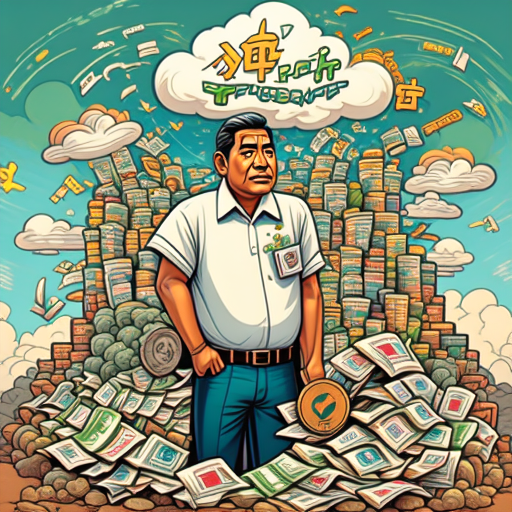
By Louis ‘Barok’ C. Biraogo
In 1995, the Philippine government introduced a source of hope and inspiration with the enactment of Republic Act No. 7875, the “National Health Insurance Act.” This legislation was meant to ensure every Filipino had equitable access to quality healthcare services. It set up PhilHealth as the guardian of the nation’s health insurance program, tasked with the sacred duty of managing member contributions to provide essential health benefits. Fast forward to today, and that optimism has been shrouded in a fog of betrayal, corruption, and greed, all epitomized by the interim reimbursement mechanism (IRM) scandal.
The House of Representatives is reopening an inquiry into the misuse of a staggering P15 billion in PhilHealth funds. This isn’t just another political drama—this is a betrayal of the public trust, a flagrant breach of Republic Act No. 7875. This scandal, festering amid a global pandemic, reveals a rot within the Philippine Health Insurance Corporation (PhilHealth) that threatens to undermine the very foundation of public health in the country.
The IRM, initially designed as a lifeline to keep hospitals afloat during emergencies, has devolved into a conduit for graft and favoritism. As the COVID-19 crisis raged, PhilHealth advanced P15.5 billion to various hospitals. But congressional investigations peeled back the layers to expose a horrifying truth: a significant portion of these funds ended up in the coffers of 51 hospitals with fraudulent claims.
House Deputy Majority Leader and Iloilo City Rep. Janette Garin has rightfully questioned the legality of using PhilHealth members’ premium contributions as capital for these hospitals. Section 18 of RA 7875 clearly mandates that “the Program shall ensure the equitable and adequate access to health services for all Filipinos.” Diverting P15 billion to hospitals, some mired in fraud, is a grotesque violation of this mandate. This act not only endangers PhilHealth’s financial stability but also shatters the trust of its members, who pour their hard-earned money into the system expecting reliable, timely healthcare benefits.
Despite repeated denials from PhilHealth officials, the lack of transparency and accountability is glaring. Section 37 of the Act dictates that contributions must be used exclusively for the payment of benefits and administrative expenses. The diversion of these funds for IRM advances, particularly to fraudulent institutions, is a blatant violation of this provision. This misuse raises chilling questions about governance, accountability, and the ethical stewardship of public resources.
Marikina Rep. Stella Quimbo and Gabriela party-list Rep. Arlene Brosas have not minced words, condemning the alleged embezzlement of members’ contributions by PhilHealth officials through fraudulent schemes. The allegations paint a picture of a deeply entrenched corruption that drains resources desperately needed for healthcare. This isn’t just a breach of protocol—this is an assault on the nation’s health, a crime against every Filipino who counts on PhilHealth for their medical needs.
It’s time for more than just talk. The perpetrators of this egregious betrayal of public trust must face the full weight of the law. PhilHealth urgently needs comprehensive reforms. We need transparency enforced through regular, independent audits and stringent oversight. Anti-corruption measures must be strengthened, and whistleblowers should be protected and encouraged to come forward.
Furthermore, the appointment of PhilHealth officials must be scrutinized meticulously to ensure that only individuals with unblemished records and proven integrity hold positions of power. The PhilHealth Board should include more members from civil society and the medical community to ensure diverse and independent oversight.
We must remember what’s at stake. PhilHealth is not just an insurance provider; it is a lifeline for millions of Filipinos. The misuse of its funds is not a victimless crime—it is a direct assault on the health and well-being of the nation.
The reopening of this investigation by the House must lead to concrete actions, not just empty promises. The Filipino people deserve better. It is incumbent upon their representatives to ensure that justice is served and systemic reforms are enacted to prevent such abuses from ever happening again. This is not just a call to action; it is a demand for the restoration of trust and integrity in the very institutions meant to safeguard our health.




 KWEBA ni BAROK
Leave a comment