By Louis ‘Barok’ C. Biraogo
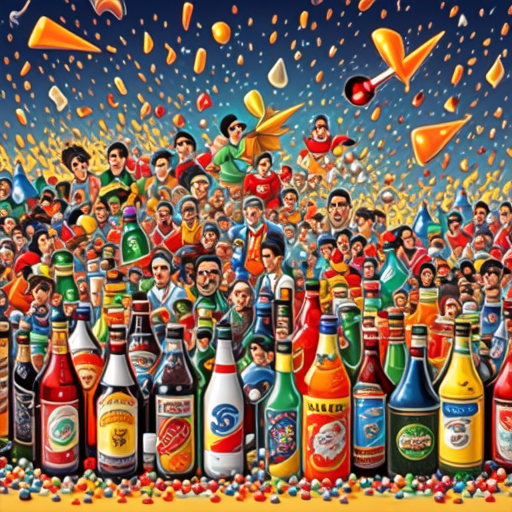
The trend of Filipinos gravitating towards more expensive imported spirits is a clear sign of an expanding middle class. But as we uncork this phenomenon, we must also ask: at what cost? The allure of imported brands, with their promise of prestige and quality, masks a deeper, more consequential issue. For the health of the nation’s economy, culture, and even the environment, we must advocate for the consumption of locally produced alcoholic drinks and spirits.
At first glance, the shift towards premium imported spirits, as highlighted by Keepers Holdings Incorporated, appears to be a mark of progress. The “premiumization” trend, driven by higher disposable incomes and a growing taste for luxury, suggests that more Filipinos are enjoying the finer things in life. However, beneath this veneer of sophistication lies a significant threat to the local industry and economy.
Local brands such as San Miguel Beer, Ginebra San Miguel, Emperador, and Tanduay have long dominated the market, with sales figures dwarfing those of imported brands. These homegrown giants, producing over 400 million cases annually, are not just companies; they are pillars of the Filipino economy, providing jobs, fostering community pride, and generating substantial tax revenues. Supporting local brands means supporting the lifeblood of the nation’s economy.
In contrast, the influx of imported spirits threatens to siphon off a significant portion of this economic activity. Every bottle of imported brandy or whiskey purchased is money that leaves the country, benefitting foreign producers while local distilleries struggle to compete. This outflow of capital can stymie the growth of domestic businesses, leading to job losses and reduced economic resilience.
Furthermore, the environmental impact of imported spirits cannot be ignored. The carbon footprint associated with transporting beverages from distant lands is considerable. Locally produced spirits, on the other hand, travel shorter distances, resulting in lower greenhouse gas emissions. By choosing local drinks, consumers can make a more sustainable choice that aligns with global efforts to combat climate change.
Culturally, local spirits are woven into the fabric of Filipino society. Brands like Tanduay Rhum and Ginebra San Miguel are not merely products; they are symbols of Filipino craftsmanship and tradition. Each bottle tells a story of local heritage and pride, offering a connection to the nation’s past. The homogenization of taste through imported brands risks diluting this rich cultural tapestry, replacing it with a generic global palate.
Moreover, the economic data reveals a worrying trend. According to IWSR forecasts, the imported spirits segment is expected to grow by 14% post-pandemic, compared to just 1% for local spirits. This projected growth could spell trouble for local producers, who may find it increasingly difficult to compete with the marketing muscle and brand prestige of global giants. To counter this, the government and consumers alike must take proactive steps to support local industries.
The argument for imported spirits often hinges on perceived quality and prestige. However, this perception is not always grounded in reality. Philippine brands have made significant strides in improving quality, with many local spirits receiving international accolades. Emperador, for instance, is not just a local favorite; it is the world’s largest brandy company, a testament to the excellence of Filipino craftsmanship. Supporting local brands does not mean compromising on quality; it means recognizing and valuing the world-class products made at home.
Recommendations for addressing this trend are clear. The government should consider implementing policies that incentivize the production and consumption of local spirits. Tax incentives for local distilleries, marketing support, and initiatives to promote the cultural value of Filipino-made products can all play a role. Public awareness campaigns highlighting the economic, environmental, and cultural benefits of choosing local spirits can also help shift consumer preferences.
Retailers and restaurants can support this movement by prominently featuring local brands and educating consumers about their virtues. Special promotions, tasting events, and collaborations with local distilleries can further enhance the visibility and appeal of homegrown spirits.
In conclusion, the rise of imported spirits in the Philippines is not just a simple market trend; it is a crossroads for the nation’s economic and cultural future. By embracing locally produced alcoholic drinks and spirits, Filipinos can support their economy, protect their environment, and preserve their rich cultural heritage. The choice is clear, and the time to act is now. For in this high-stakes game, the consequences of inaction are too great to ignore.







 KWEBA ni BAROK
Leave a comment