By Louis ‘Barok’ C. Biraogo
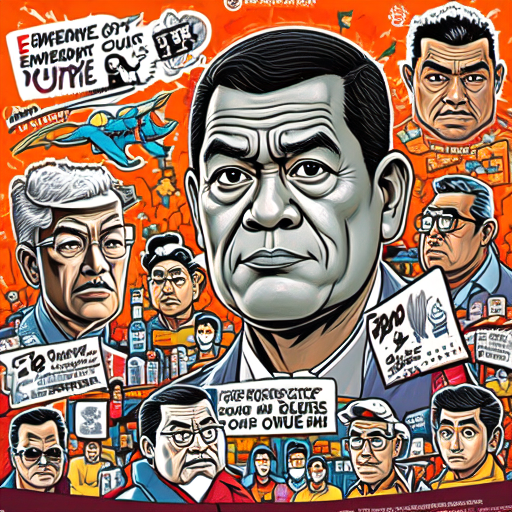
In the throes of a global pandemic, when fear and uncertainty gripped the nation, extraordinary powers were granted to extraordinary leaders. In the Philippines, former President Rodrigo Duterte was one such leader, vested with emergency powers under Republic Act No. 11469, the “Bayanihan to Heal as One Act.” These powers, intended to expedite the government’s response to the crisis, provided Duterte with the broad authority to realign funds and implement urgent measures. However, recent revelations about the transfer of P47.6 billion in COVID-19 funds from the Department of Health (DOH) to the Procurement Service of the Department of Budget and Management (PS-DBM) cast a sinister shadow over the ethical use of these emergency powers.
Former Health Secretary Francisco Duque III’s admission that Duterte directed the transfer of these funds, as revealed in a House of Representatives committee hearing, is profoundly disturbing. According to a Commission on Audit (COA) report, these funds were used in contracts with Pharmally Pharmaceutical Corp., a company accused of selling overpriced medical supplies. This is a glaring contradiction to the principles of transparency, accountability, and due diligence—principles that should be inviolable, especially in times of crisis.
Duterte’s emergency powers, while legally granted, did not exempt his administration from adhering to established procurement laws and ethical standards. The Bayanihan Act was designed to provide the President with the agility needed to respond to a public health emergency, but it did not offer carte blanche to bypass Republic Act No. 9184, the Government Procurement Reform Act. This act mandates transparent, competitive, and efficient procurement processes. The awarding of contracts to Pharmally, a company with a paltry paid-up capital of P625,000, seems to flout these principles entirely, raising suspicions of corruption and cronyism.
Furthermore, Duterte’s directive potentially violates Republic Act No. 3019, the Anti-Graft and Corrupt Practices Act. This law explicitly prohibits public officials from causing undue injury to the government or giving any private party unwarranted benefits. By directing such a large sum to PS-DBM, which then engaged Pharmally, Duterte and Duque may have placed public welfare at risk for dubious gains.
The Solicitor General’s inability to recall any cabinet-level discussion about the fund transfer further deepens the mystery. Was there a deliberate attempt to conceal this decision from key government officials, or was it an autocratic move made in isolation? This uncertainty casts a long shadow over the legitimacy and transparency of the process, suggesting potential breaches of the Administrative Code of 1987, which prescribes proper procedures for executive decisions.
The gravity of these actions cannot be overstated. The misuse of COVID-19 funds not only undermined the pandemic response but also eroded public trust at a critical time. The COA’s findings of significant deficiencies in the DOH’s management of pandemic funds underscore a failure of governance that had real, tangible consequences for public health.
In light of these revelations, justice demands rigorous pursuit. The ongoing graft charges against former PS-DBM head Lloyd Christopher Lao must be expanded to include all involved parties, including Duterte and Duque, if evidence supports their culpability. The judiciary must act decisively to investigate, prosecute, and, if warranted, convict those who have abused their positions of power.
To prevent future abuses, several measures should be implemented:
1. Enhanced Oversight: Strengthen the COA’s mandate to oversee the use of emergency funds with real-time audits and public reporting.
2. Transparency in Procurement:Enforce strict adherence to procurement laws even under emergency conditions, ensuring all transactions are transparent and competitive.
3. Public Accountability: Establish mechanisms for swift public access to information on fund allocations and expenditures during emergencies.
The Filipino people deserve leaders who act in their best interests, especially in times of unprecedented crisis. The legacy of this scandal should be a reaffirmation of our commitment to integrity, accountability, and the rule of law. The quest for justice in this matter is not merely about punishing the guilty but about restoring faith in governance and ensuring that emergency powers are wielded responsibly and transparently for the benefit of all Filipinos.
The misuse of these emergency powers must not go unanswered. The judiciary must stand as a bulwark against corruption, ensuring that those who exploit crises for personal gain face the full force of the law. Only then can we hope to restore trust and build a government that truly serves its people, in good times and in bad.

- Remulla Slams AMLC: “Stop Protecting Banks, Start Chasing Dirty Flood Money!”
- From Arbitration Victory to Humiliation Deal – Why This China Gas Pact Stinks
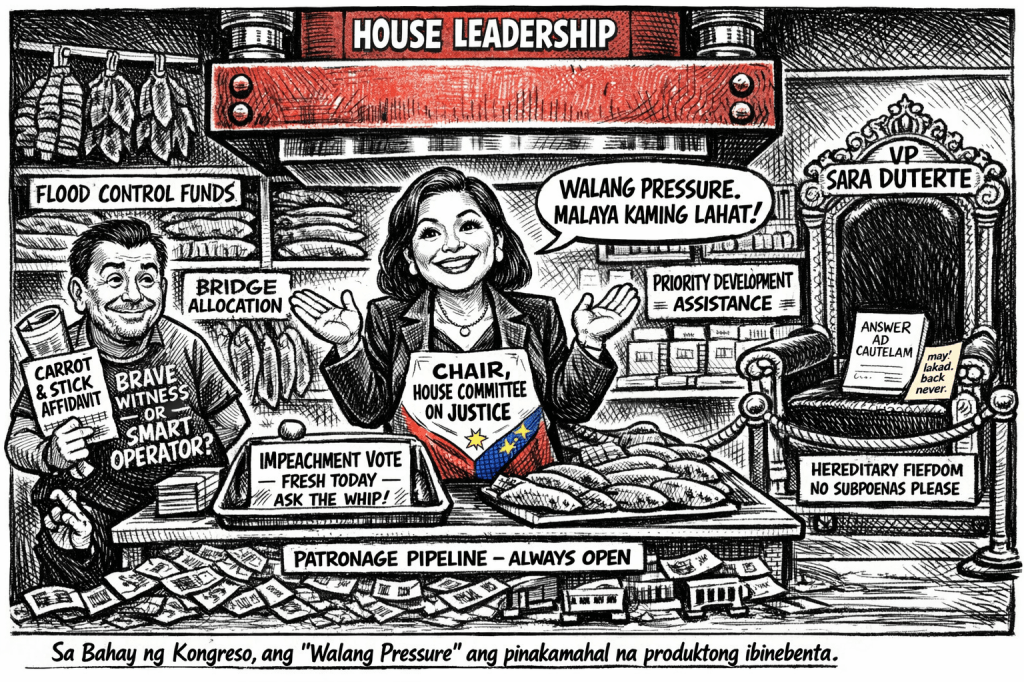
- “No Pressure” Luistro? The House Pork Bazaar Exposed
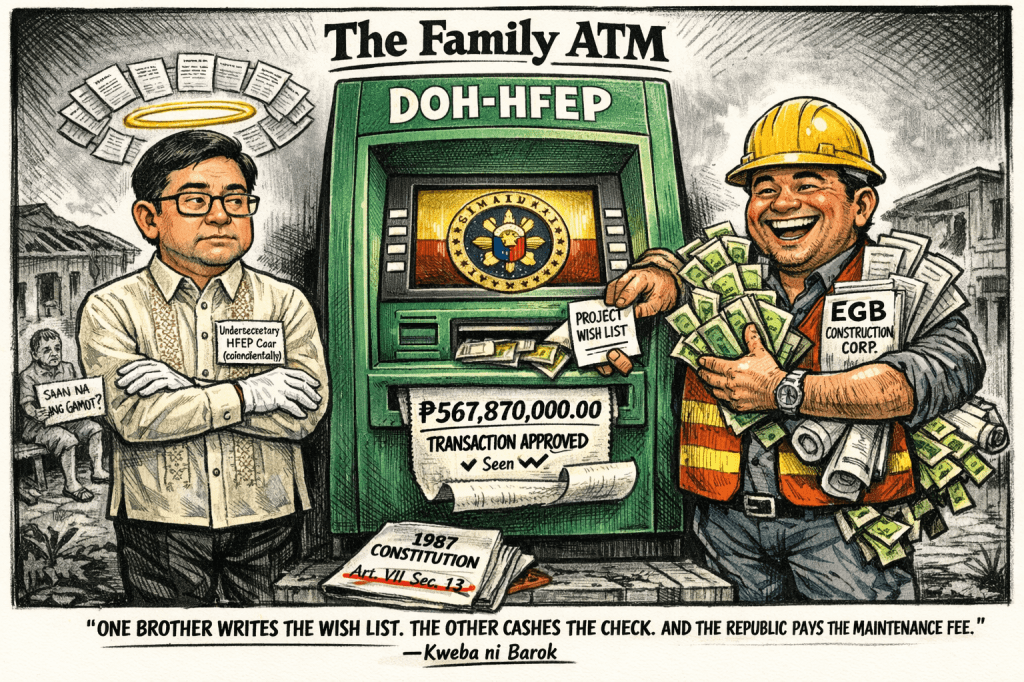
- Baggao Brothers Exposed: How One Undersecretary Built a P567M Family ATM at DOH
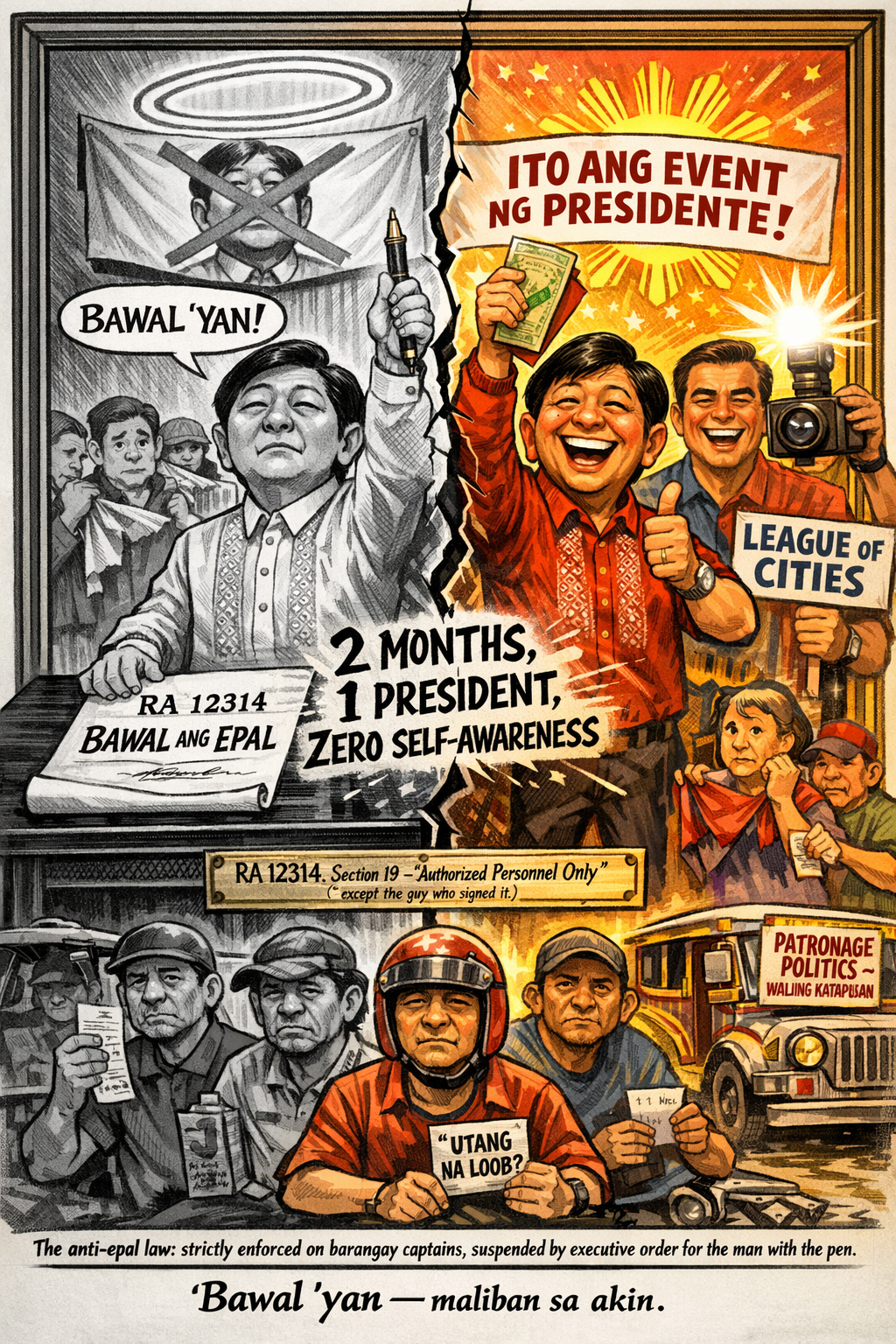
- Anti-Epal President Caught Red-Handed in Ayuda Selfie Scandal

 KWEBA ni BAROK
Leave a comment