By Louis ‘Barok’ C. Biraogo ||
In a move that could reshape the economic landscape for millions of Filipinos, the National Economic and Development Authority (NEDA) board, chaired by President Ferdinand Marcos Jr., has slashed the tariff on rice imports from 35 percent to 15 percent. This decision, encapsulated in the newly approved Comprehensive Tariff Program (CTP) set to run from 2024 to 2028, aims to alleviate the burden of rising rice prices, targeting a reduction to P29 per kilo for the nation’s poorest.
Secretary Arsenio Balisacan, in a briefing at Malacañang, presented this measure as a panacea for inflation woes, emphasizing its broader impact on easing upward price pressures not just on rice but across various essential goods. With inflation climbing to 3.8 percent in April—nearly half of which stemmed from rice prices—this initiative seeks to provide relief for the most vulnerable segments of society.
However, this ambitious plan is fraught with complexities and potential pitfalls. The very foundation of this policy rests on the assumption that reduced tariffs will translate into lower prices for consumers, a premise that agricultural advocates like Jayson Cainglet, executive director of Samahang Industriya ng Agrikultura, vigorously dispute. Cainglet argues that previous tariff reductions have disproportionately benefited a small cadre of importers and traders without delivering the promised affordability to the masses. His skepticism is echoed by many who fear that the primary beneficiaries of this policy will once again be the powerful few, not the impoverished many.
ADVANTAGES:
1. Economic Relief for the Poor: The most compelling argument for the tariff cut is its potential to lower the price of rice to P29 per kilo, specifically aiding beneficiaries of the Pantawid Pamilyang Pilipino Program (4Ps). By targeting financial support to the poorest Filipinos, the government aims to directly address food insecurity and improve living standards for those most in need.
2. Inflation Control: By easing tariff burdens, the government anticipates a dampening effect on inflation. With world rice prices on the rise, maintaining high tariffs could exacerbate the cost pressures on Filipino households. The tariff reduction is intended to mitigate these impacts and stabilize the market.
3. Broader Economic Stimulus: The CTP also includes tariff reductions on essential manufacturing inputs and energy sources, which could lower production costs and enhance competitiveness. These measures might foster a more business-friendly environment, encouraging investment and supporting economic growth.
DISADVANTAGES:
1. Market Manipulation: Critics like Cainglet highlight the risk of market manipulation by importers and traders who could exploit lower tariffs to maximize profits without passing savings onto consumers. This concern is not unfounded, given past experiences where similar measures have failed to yield the expected consumer benefits.
2. Local Agriculture Impact: Reducing rice tariffs could undermine local rice farmers, who struggle to compete with cheaper imported rice. This might lead to decreased domestic production, greater reliance on imports, and potential long-term vulnerabilities in food security.
3. Inequitable Benefits: There is a palpable risk that the benefits of tariff reductions will not be equitably distributed. If the primary beneficiaries are large importers rather than consumers, the policy could exacerbate existing economic disparities rather than alleviate them.
RECOMMENDATIONS:
To navigate these treacherous waters, the government must implement robust oversight mechanisms to ensure that the tariff reductions translate into real price decreases for consumers. Transparent monitoring of rice import and pricing practices will be crucial in preventing profiteering by traders.
Additionally, support for local farmers should be intensified. Investments in agricultural infrastructure, access to technology, and financial subsidies can help farmers improve productivity and compete more effectively with imported rice. These measures are essential to maintaining a balanced approach that supports both consumers and producers.
Finally, the government should establish contingency plans to address any unintended consequences. This includes setting up safety nets for displaced agricultural workers and ensuring that food security is not compromised by over-reliance on imports.
The tariff cut on rice imports is a bold step by the Philippine government, driven by the urgent need to curb inflation and provide relief to the nation’s poor. Yet, as with any sweeping economic reform, it carries risks and uncertainties that must be carefully managed. By fostering a transparent, equitable, and supportive environment for all stakeholders, the Philippines can hope to achieve the delicate balance between affordability and sustainability in its quest for economic justice.

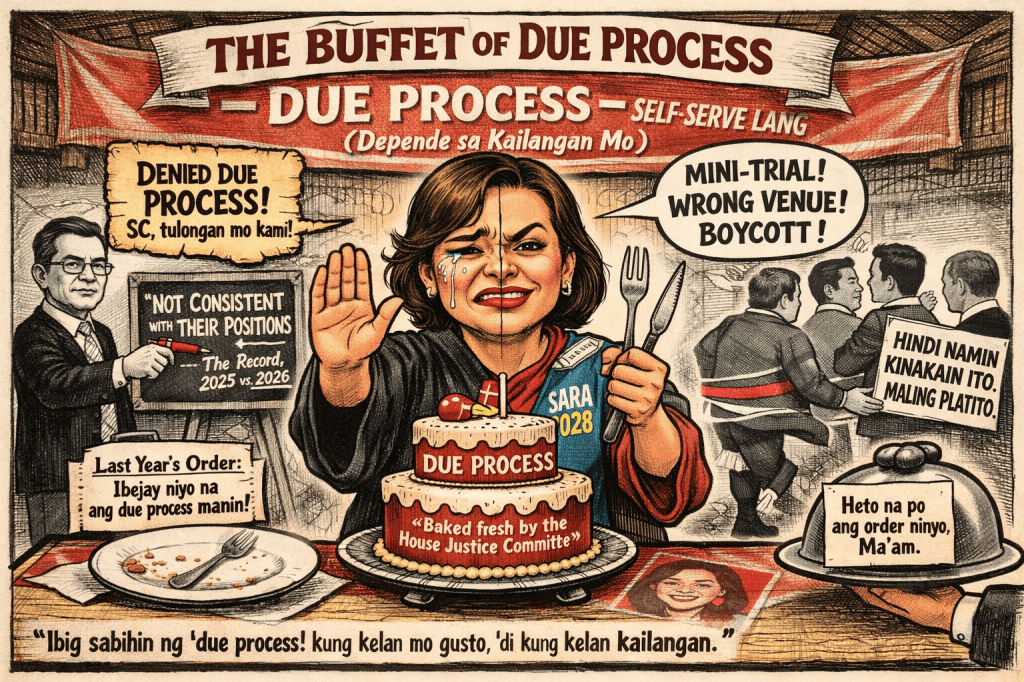
- Sara’s Cake-Eating Due Process: Tamase Exposes Duterte’s Legal Flip-Flop
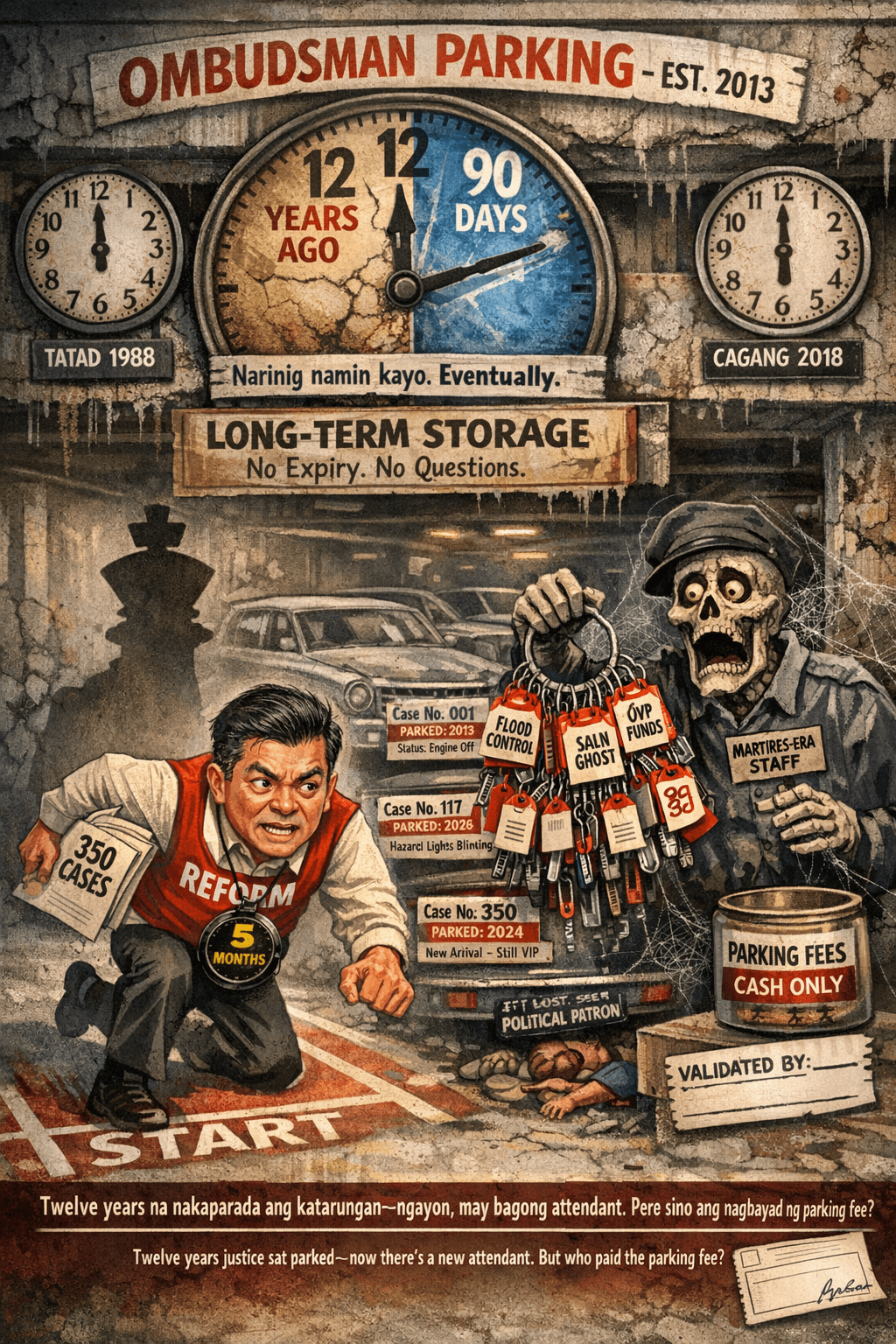
- No More Parking at the Ombudsman: Boying Remulla’s Risky 5-Month Justice Sprint
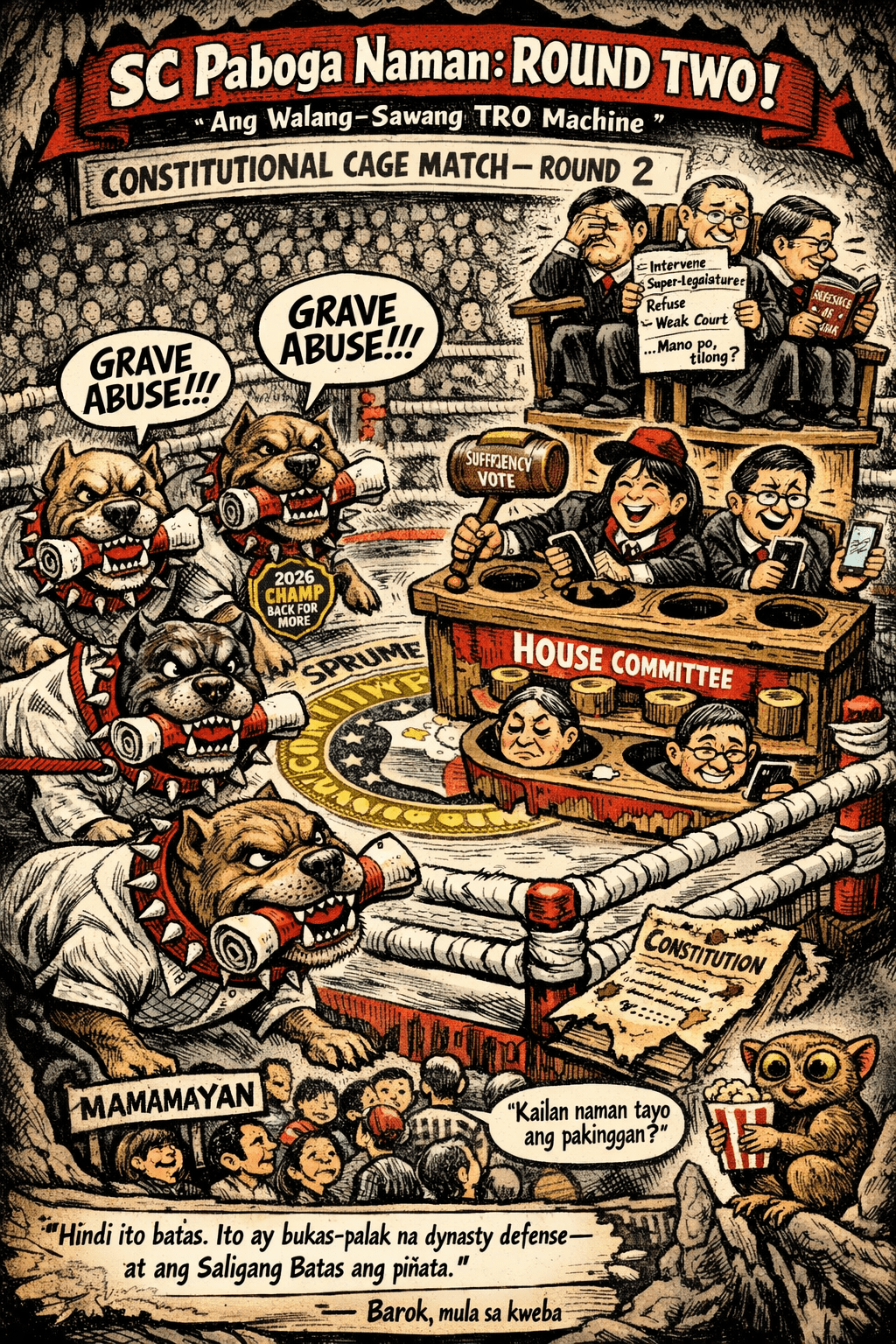
- Duterte Pit Bulls Unleashed: SC Petition to Save Sara from Impeachment Again

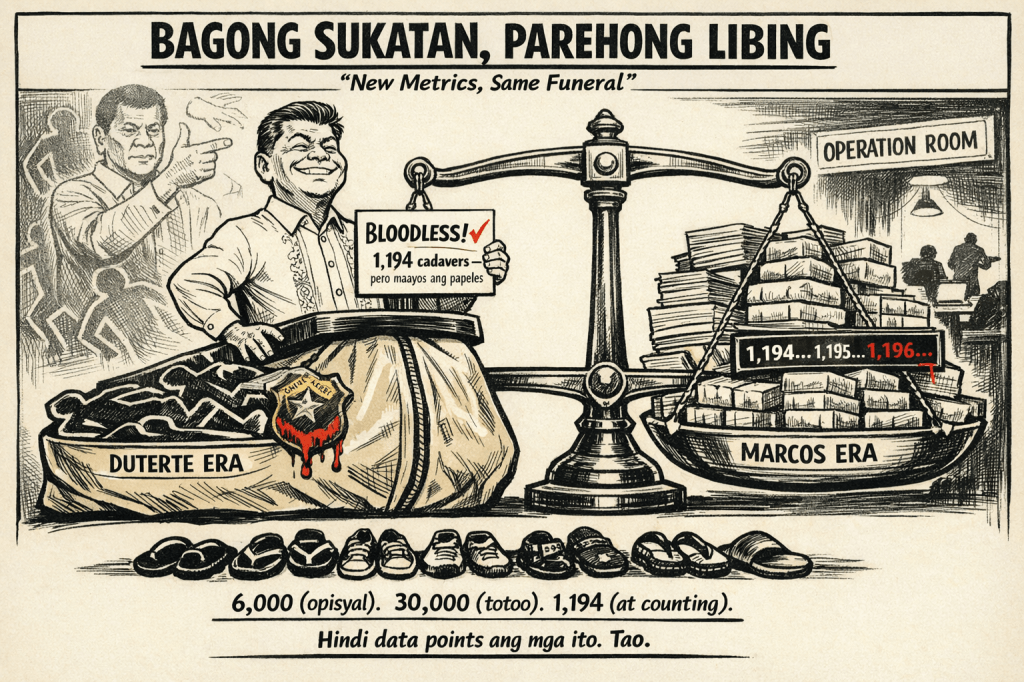
- Jonvic Remulla’s Bloodless Boast: Marcos “Wins” Drug War With Fewer Corpses, More Tons
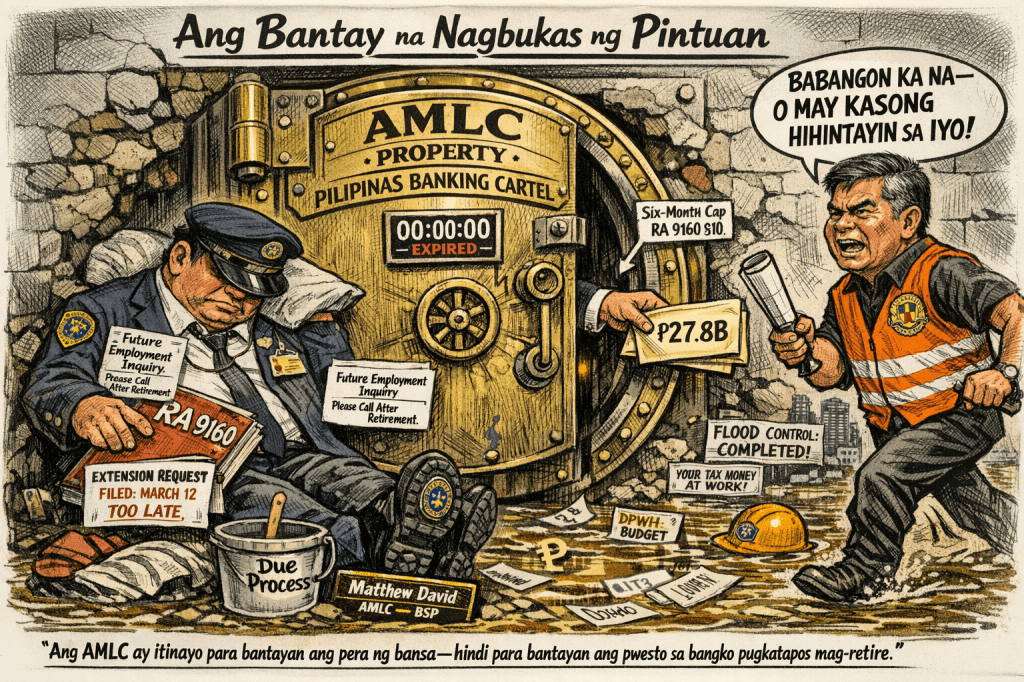
- Remulla Slams AMLC: “Stop Protecting Banks, Start Chasing Dirty Flood Money!”

 KWEBA ni BAROK
Leave a comment