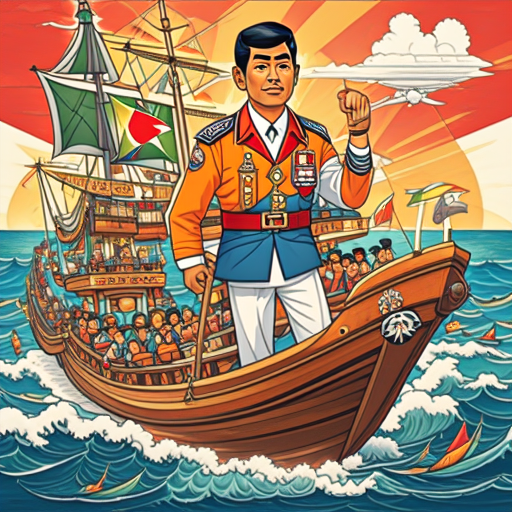
By Louis ‘Barok‘ C. Biraogo
In the shadow of mounting tensions in the South China Sea, the Philippines has boldly stepped onto the regional stage, advocating for a new era of cooperation and diplomacy. The Association of Southeast Asian Nations (ASEAN) coast guard conference in Davao City stands as a guiding light amid the stormy waters of geopolitical strife.
Rear Admiral Armando Balilo of the Philippine Coast Guard (PCG) announced the creation of a regional coast guard protocol, a significant stride toward fostering peace and stability in these contested waters. This initiative, called the South East Asian Protocols on Engagements At Sea (Sea-Peace), aims to establish rules of conduct for coast guards across the 10 ASEAN member states. It is not merely a set of guidelines but a powerful statement of unity and resolve against the threats that plague the region, including drug trafficking, human smuggling, illegal fishing, piracy, and the looming danger of weapons of mass destruction.
The significance of this initiative cannot be overstated. Admiral Ronnie Gil Gavan, PCG Commandant, highlighted the importance of “ASEAN centrality” in addressing the South China Sea disputes, where multiple nations, including the Philippines, have overlapping claims. This conference offers a rare opportunity to forge a collective response based on international law, specifically the United Nations Convention on the Law of the Sea (UNCLOS), and the 2016 arbitral ruling that invalidated Beijing’s expansive territorial assertions.
In stark contrast to the Philippines’ collaborative approach, China’s actions in the South China Sea have been nothing short of belligerent. Beijing’s persistent refusal to acknowledge the 2016 arbitral award and its aggressive maneuvers, such as intercepting supplies meant for the BRP Sierra Madre and obstructing medical evacuations, are clear violations of international norms. These provocations not only undermine regional stability but also threaten the sovereignty and security of ASEAN member states.
The Philippines’ proposal for the Sea-Peace protocols is a masterstroke of diplomacy. It leverages ASEAN’s collective strength to counterbalance China’s unilateral actions, ensuring that maritime law enforcement is conducted with respect for sovereignty and international law. This initiative promotes a unified ASEAN front, reinforcing the region’s commitment to peace and cooperation.
Those in attendance at the Davao City conference deserve commendation for their dedication to fostering a safer and more secure maritime environment. Their efforts to draft and implement the Sea-Peace protocols represent a significant stride toward a cooperative and law-abiding Southeast Asian maritime region. This initiative is a testament to the resilience and vision of ASEAN nations, proving that unity and diplomacy can stand firm against aggression and coercion.
The Philippines has emerged as a key advocate for regional solidarity, setting a precedent for other nations facing similar challenges. Its leadership in this initiative underscores the importance of multilateralism and international law in resolving complex geopolitical disputes. In these uncertain times, the Philippines’ commitment to fostering a unified and secure ASEAN maritime region shines brightly as a symbol of hope.
Let us celebrate the spirit of cooperation and diplomacy that this conference embodies. As ASEAN nations work together to finalize the Sea-Peace protocols, they send a clear message to the world: peace and security in the South China Sea can only be achieved through collective action and adherence to international norms. This initiative is not just a step forward for ASEAN but a significant leap toward a more peaceful and cooperative world.
In the face of adversity, the Philippines has shown remarkable leadership, reminding us all that even in the most turbulent waters, there is a path to peace. Let this conference be a turning point, where dialogue and diplomacy triumph over discord and domination. The future of the South China Sea depends on the strength and unity of its nations, and today, the Philippines has charted a course toward a brighter, more harmonious future.

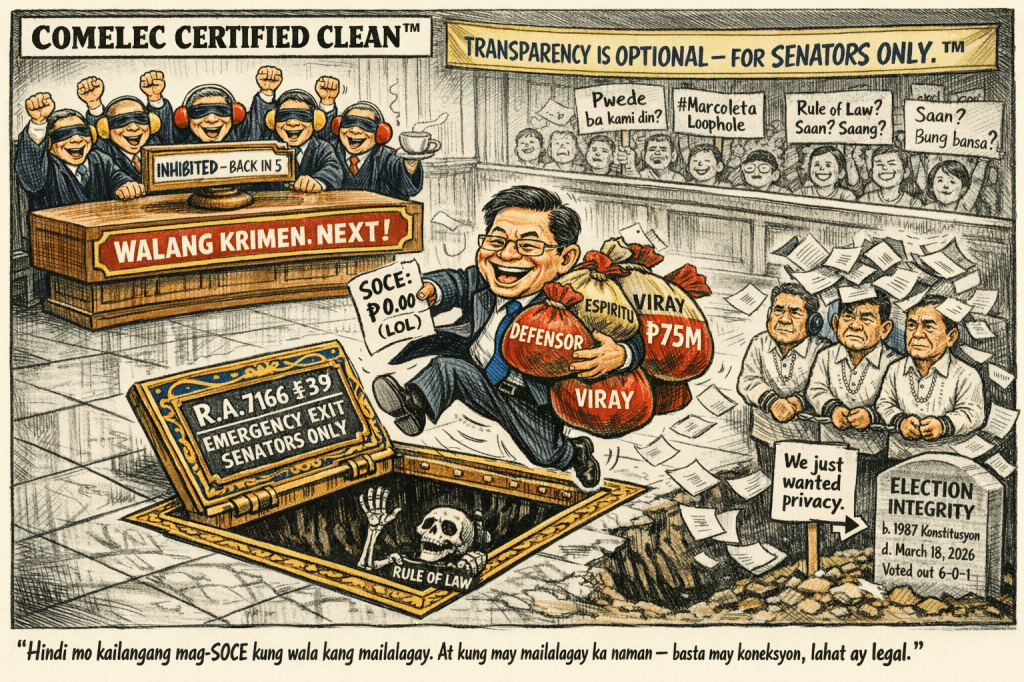
- Comelec’s New Rule: Hide the Cash, Blame the Donors, Call It Legal
- DTI’s Award-Winning Book Is a Hot Mess—Now They’re Suing the Guy Who Read It
- “Everything’s Normal” — Except the Prices Killing Filipino Families
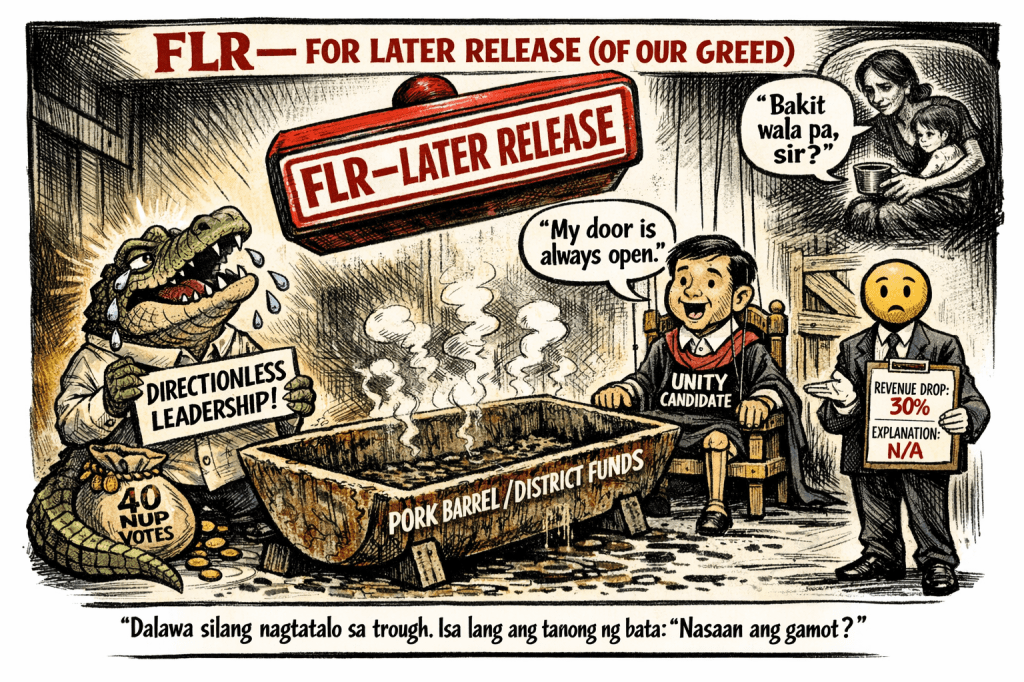
- FLR: For Later Riches? Puno & Dy Fight Over the Empty Pork Barrel

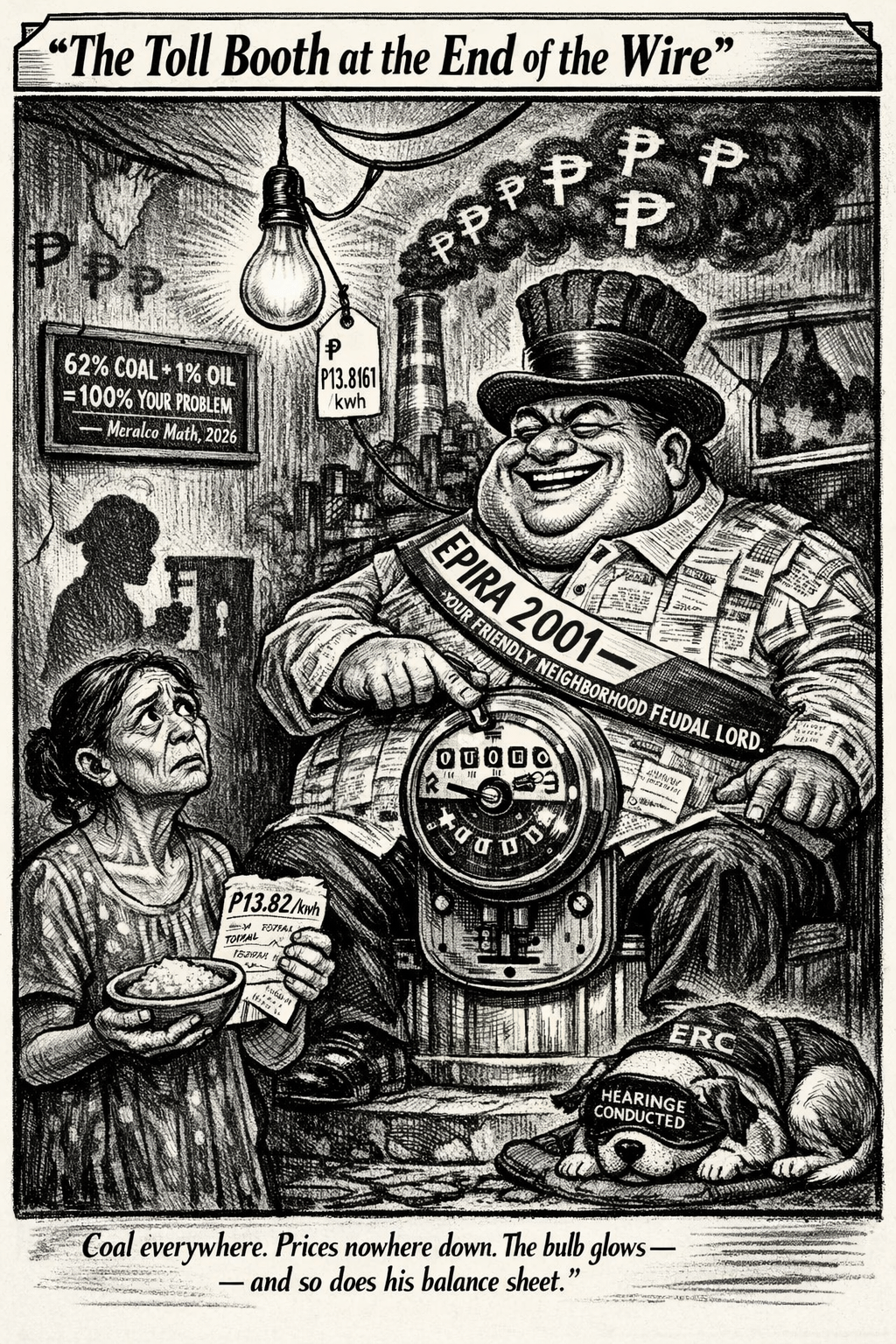
- Meralco Math: 62% Coal + 1% Oil = 100% of Your Suffering




 KWEBA ni BAROK
Leave a comment