By Louis ‘Barok‘ C. Biraogo
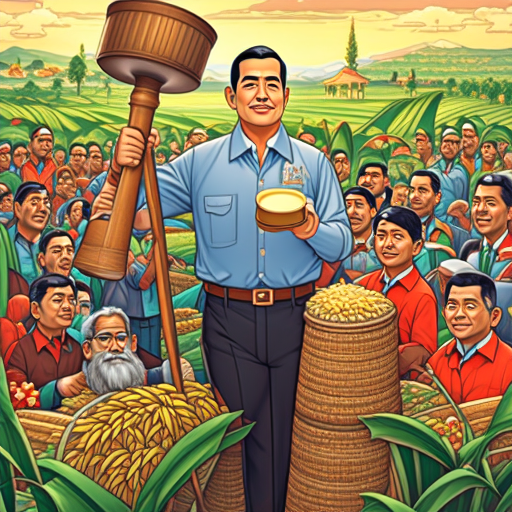
In a bold and pragmatic move, Speaker Ferdinand Martin Romualdez has sought to quell public apprehensions surrounding President Ferdinand Marcos Jr.’s decision to reduce rice tariffs. In his latest press briefing, Romualdez assured the nation that this tariff adjustment is not a precursor to a flood of imported rice but a strategic measure designed to mitigate the impact of soaring global rice prices on local markets.
Romualdez’s assertion is grounded in a careful analysis of the market dynamics. He explained, “The imports coming in are just to support the shortfall, that’s the only role of the imports…because world market prices have increased.” This nuanced approach aims to balance the local supply with the global market’s volatility, ensuring that the influx of imported rice is neither excessive nor disruptive. The regular flow of imports, adjusted tariffs, and continued support for local farmers form a coherent strategy that should alleviate fears of a deluge.
This move is not just about short-term relief; it’s a calculated step towards sustainable food security. Romualdez emphasized that the Rice Competitiveness Enhancement Fund (RCEF), funded by the tariffs, will continue to support our farmers. This fund is essential, channeling resources directly to enhance rice productivity and competitiveness. By maintaining these subsidies, Romualdez is reinforcing the backbone of our agricultural sector, ensuring that our farmers are not left behind in this global marketplace.
Moreover, Romualdez’s call for long-term solutions through amendments to the Rice Tariffication Law (RTL) is a significant step forward. The proposed House Bill No. 10381, which seeks to restore some functions to the National Food Authority (NFA), aims to bolster our food security infrastructure. This bill, if enacted, would empower the NFA to better regulate and stockpile rice, ensuring a buffer against future price shocks and supply disruptions. It is a move that underscores the need for a robust safety net, leveraging the NFA’s expertise and extensive network to safeguard our national interests.
In rallying behind Romualdez’s assertions, it is crucial to recognize the broader implications for the country. Here are some compelling arguments supporting his stance:
1. Stabilizing Local Prices: By reducing the tariffs, we can cushion the blow of global price hikes, helping to stabilize local rice prices. This measure is designed to prevent the volatility that could otherwise lead to widespread price spikes, protecting the purchasing power of Filipino families.
2. Enhancing Farmer Support: The continued funding of the RCEF is vital. It ensures that our farmers receive the necessary support to improve their yields and competitiveness. This support is not just about subsidies but also about providing farmers with the technology, training, and resources they need to thrive.
3. Strengthening Food Security: The proposed amendments to the RTL are a proactive step towards reinforcing our food security framework. Restoring the NFA’s functions will enhance our ability to manage rice stocks effectively, ensuring that we are better prepared for future challenges.
4. Fostering Long-Term Sustainability: Romualdez’s emphasis on long-term solutions is a call to action for comprehensive reforms. By addressing the root causes of our agricultural challenges and investing in sustainable practices, we can build a resilient food system that supports future generations.
To truly support Romualdez’s vision, we must advocate for policies that enhance our agricultural sector’s resilience and ensure food security. Here are some recommendations:
– Expand Agricultural Training and Technology Transfer: Invest in training programs that equip farmers with modern farming techniques and technologies. This will enhance productivity and sustainability.
– Strengthen Agricultural Research: Support research institutions to develop crop varieties that are resistant to pests, diseases, and climate change, ensuring long-term agricultural viability.
– Promote Inclusive Policies: Ensure that all stakeholders, especially small-scale farmers, have a seat at the table in policy discussions. Their insights are invaluable for crafting policies that are truly effective and inclusive.
– Enhance Market Access: Develop programs that connect farmers directly to markets, reducing intermediaries and ensuring fair prices for their produce.
Romualdez’s leadership in this crucial initiative is a testament to his commitment to the welfare of our nation. As we navigate these challenging times, his actions and vision provide a roadmap for a stable, secure, and prosperous future for all Filipinos. Let us rally behind these efforts, ensuring that our country not only survives but thrives in the face of global uncertainties. The journey ahead is fraught with challenges, but with unity, foresight, and determination, we can build a future where every Filipino enjoys food security and economic stability.

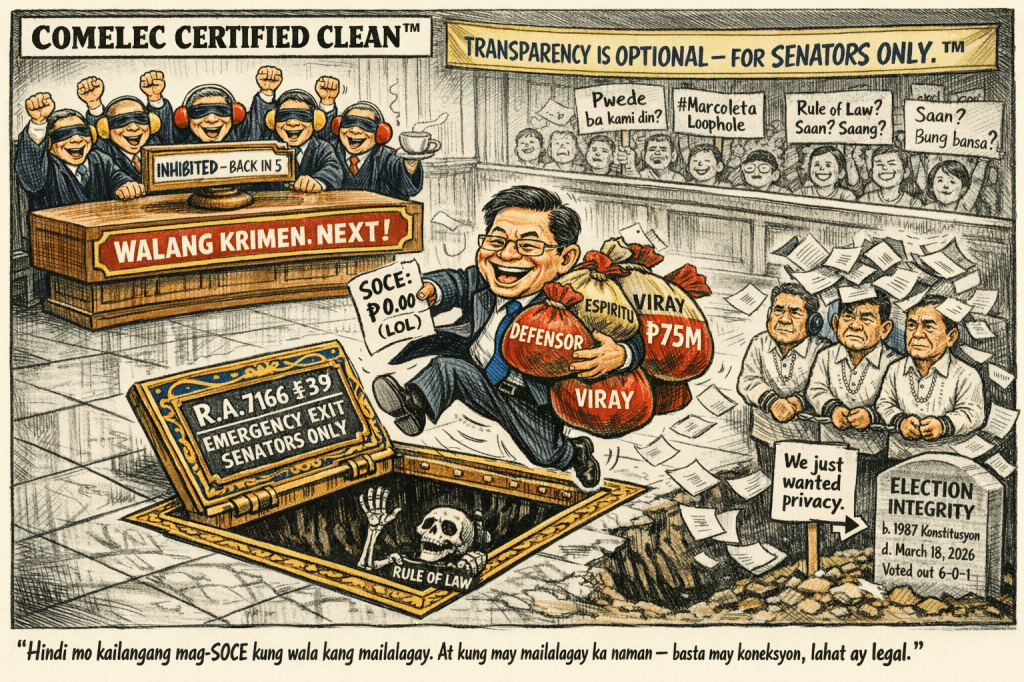
- Comelec’s New Rule: Hide the Cash, Blame the Donors, Call It Legal
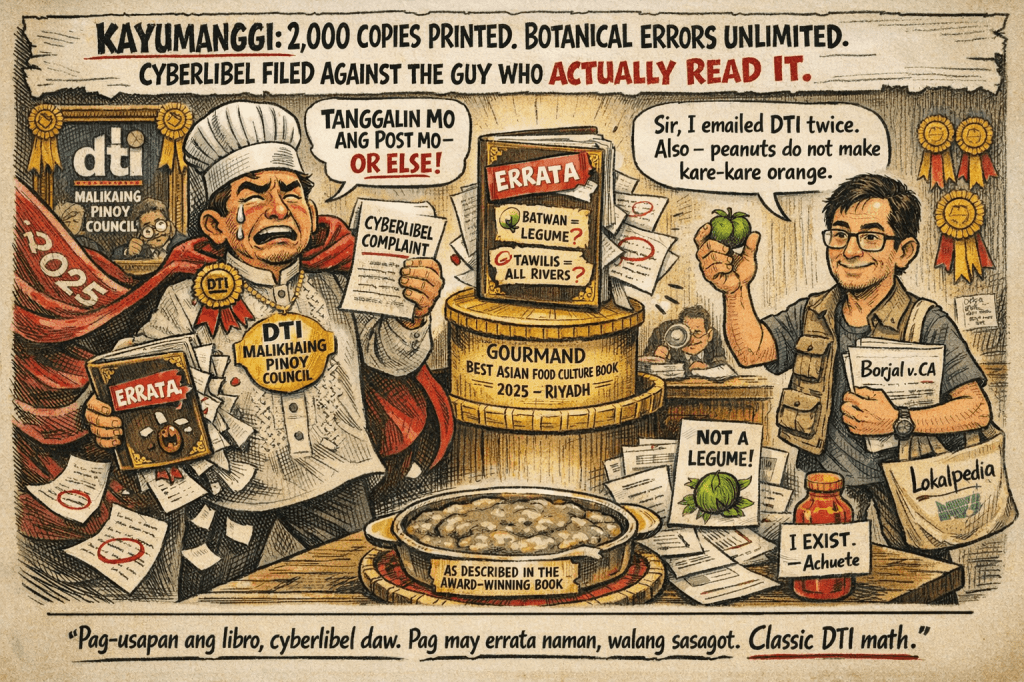
- DTI’s Award-Winning Book Is a Hot Mess—Now They’re Suing the Guy Who Read It
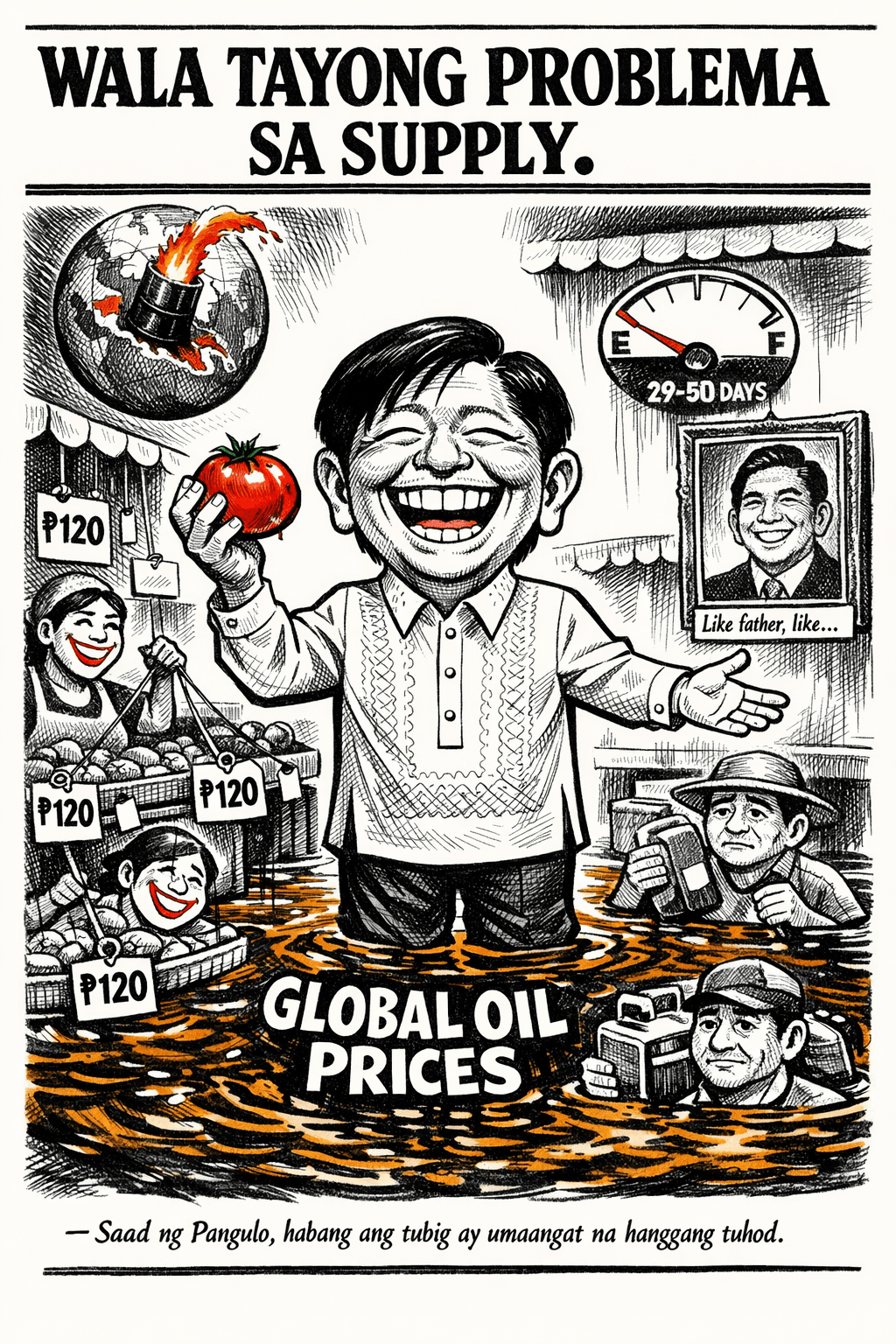
- “Everything’s Normal” — Except the Prices Killing Filipino Families
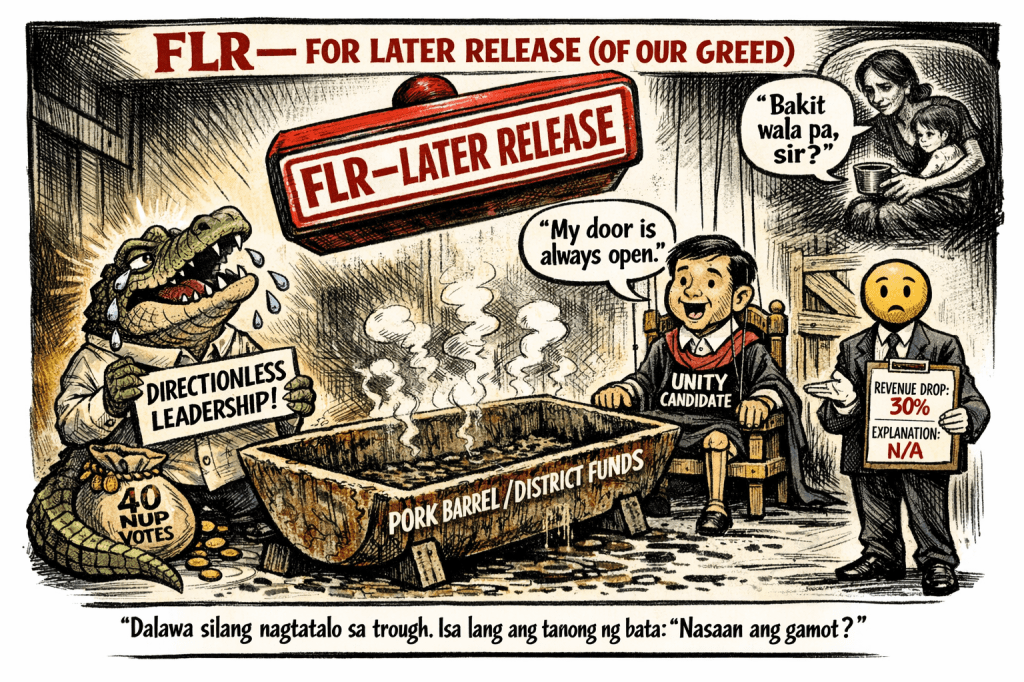
- FLR: For Later Riches? Puno & Dy Fight Over the Empty Pork Barrel
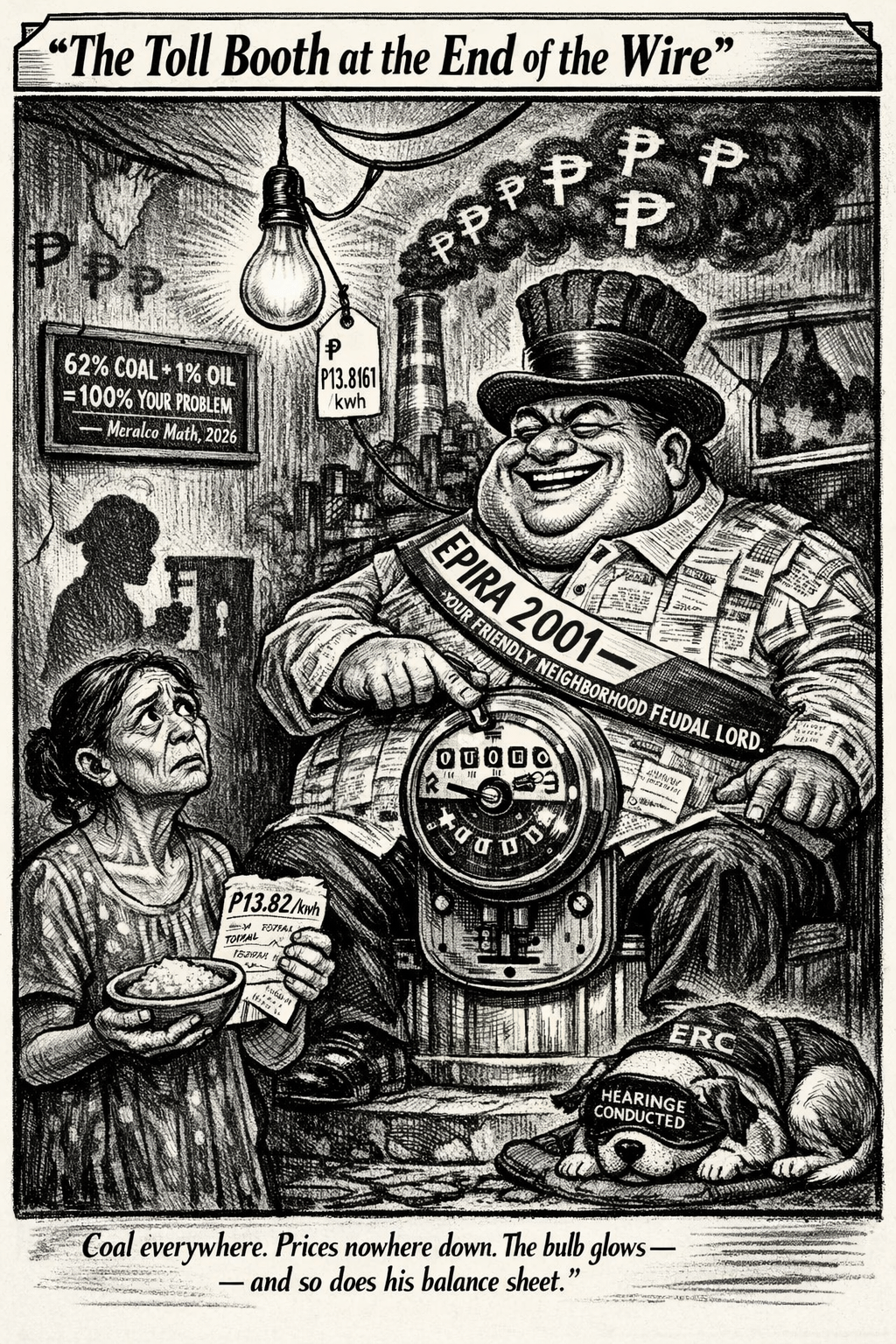
- Meralco Math: 62% Coal + 1% Oil = 100% of Your Suffering


 KWEBA ni BAROK
Leave a comment