By Louis ‘Barok‘ C. Biraogo
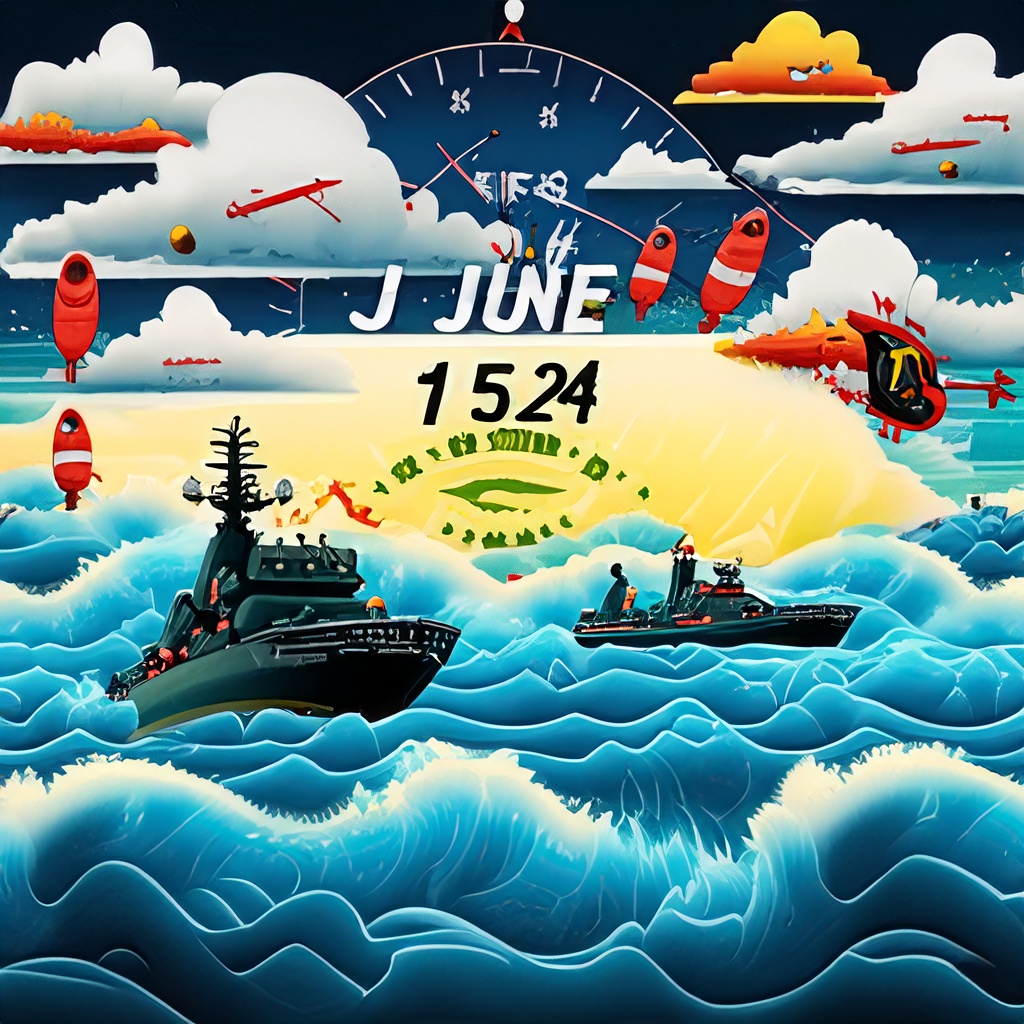
The specter of World War III looms over the South China Sea, a region where tensions between global superpowers China and the United States are nearing a breaking point. China’s impending enforcement of a law allowing the arrest of foreign nationals in waters it claims under its controversial nine-dash line might just be the spark that ignites a direct military confrontation with the U.S. This law, set to come into force on June 15, 2024, signals an alarming escalation in the ongoing territorial disputes.
Recent violent encounters between Chinese and Philippine coast guard vessels, such as the water cannon attack on a Philippine ship at Scarborough Shoal, have already heightened the stakes. With the U.S. pledging “iron-clad” support for the Philippines under their mutual defense treaty, the potential for these skirmishes to spiral into a full-scale conflict cannot be dismissed. President Ferdinand Marcos Jr.’s declaration that the death of a Filipino citizen due to a “willful act” could be considered an act of war underlines the gravity of the situation.
This is not just about territorial disputes; it’s a geopolitical powder keg. The United States, reaffirming its commitment to the Indo-Pacific region, is poised to respond should the Philippines invoke the mutual defense treaty. The scenario of U.S. warships confronting Chinese coast guard vessels in these contested waters is becoming increasingly likely.
HISTORICAL PARALLELS AND ESCALATING TENSIONS
Drawing parallels to the Korean War, where conflict was contained within a specific region despite the involvement of major powers, there is a glimmer of hope that any confrontation in the South China Sea could similarly be confined. However, the stakes today are much higher. The global interconnectedness of economies means that any military conflict, even if regionally contained, would have far-reaching economic repercussions.
Moreover, the Indo-Pacific strategy of the U.S. is perceived by China as a direct attempt to provoke and destabilize. Chinese Lieutenant General Jing Jianfeng’s criticism of this strategy as one intended to create division underscores the deep mistrust between the two nations. This mistrust is exacerbated by accusations of Chinese support for Russia’s war in Ukraine, further straining U.S.-China relations.
ARGUMENTS SUPPORTING THE CLAIM
Supporters of the thesis that we are sleepwalking toward a global conflict in the South China Sea point to several factors:
1. Aggressive Policies and Actions: China’s new law and its aggressive actions in disputed waters indicate a clear escalation. These moves are seen as Beijing’s attempt to assert dominance and test the resolve of the U.S. and its allies.
2. Mutual Defense Treaty: The U.S. has a binding commitment to defend the Philippines. Any armed confrontation, especially if it leads to fatalities, would likely trigger this treaty, drawing the U.S. into direct conflict with China.
3. Historical Precedents: The First World War was triggered by an assassination, a seemingly small event that led to a massive global conflict. Similarly, a single deadly incident in the South China Sea could escalate uncontrollably, given the current polarized environment.
4. Global Strategic Importance: The South China Sea is a critical maritime region, essential for global trade and military strategy. Control over this region has significant implications for global power dynamics, making it a flashpoint for conflict.
COUNTERARGUMENTS
Despite the alarming signs, there are arguments against the inevitability of a conflict:
1. Diplomatic Channels: Ongoing diplomatic efforts between the U.S. and China could prevent an escalation. Both nations have significant economic interdependence, which acts as a deterrent against full-scale war.
2. Regional Stability Efforts: ASEAN and other regional powers are invested in maintaining stability. Their involvement could help mediate tensions and prevent unilateral actions from spiraling out of control.
3. Mutual Interests in Avoiding War: Both the U.S. and China have much to lose in a direct military confrontation. Economic repercussions, loss of life, and global instability are significant deterrents.
4. Historical Lessons: The Korean War was a contained conflict despite involving major powers. Modern diplomatic and military strategies could similarly confine any skirmishes to prevent a global war.
RECOMMENDATIONS
To avoid the catastrophic scenario of a World War III sparked in the South China Sea, the following steps are crucial:
1. Enhanced Diplomatic Engagement: The U.S., China, and regional players must intensify diplomatic efforts to de-escalate tensions. Regular dialogue, confidence-building measures, and crisis management mechanisms are essential.
2. International Mediation: Engaging international bodies like the United Nations to mediate disputes and provide a platform for dialogue can help manage and resolve conflicts.
3. Strengthening Regional Alliances: ASEAN should play a more proactive role in mediating the disputes, leveraging its collective influence to maintain regional stability.
4. Clear Red Lines and Communication: Establishing and communicating clear red lines and consequences for aggressive actions can deter miscalculations and unintended escalations.
5. Economic Interdependence: Leveraging the economic ties between the U.S. and China to promote peace and stability can be an effective strategy. Economic cooperation and mutual benefit should be emphasized.
CONCLUSION
The situation in the South China Sea is precarious, with the potential for a minor incident to trigger a global conflict. Both historical precedents and current geopolitical dynamics suggest that vigilance, diplomacy, and clear communication are essential to prevent a catastrophic escalation. The world must learn from history to steer clear of a new global catastrophe. The stakes are too high for inaction, and the time for decisive, peaceful action is now.

- Comelec’s New Rule: Hide the Cash, Blame the Donors, Call It Legal
- DTI’s Award-Winning Book Is a Hot Mess—Now They’re Suing the Guy Who Read It
- “Everything’s Normal” — Except the Prices Killing Filipino Families

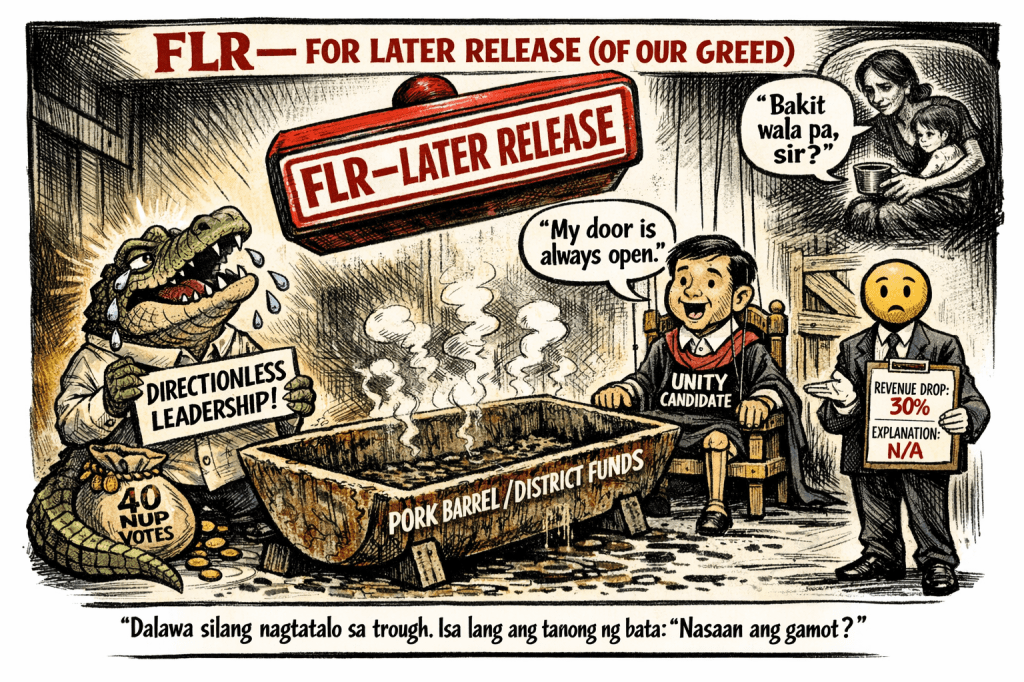
- FLR: For Later Riches? Puno & Dy Fight Over the Empty Pork Barrel
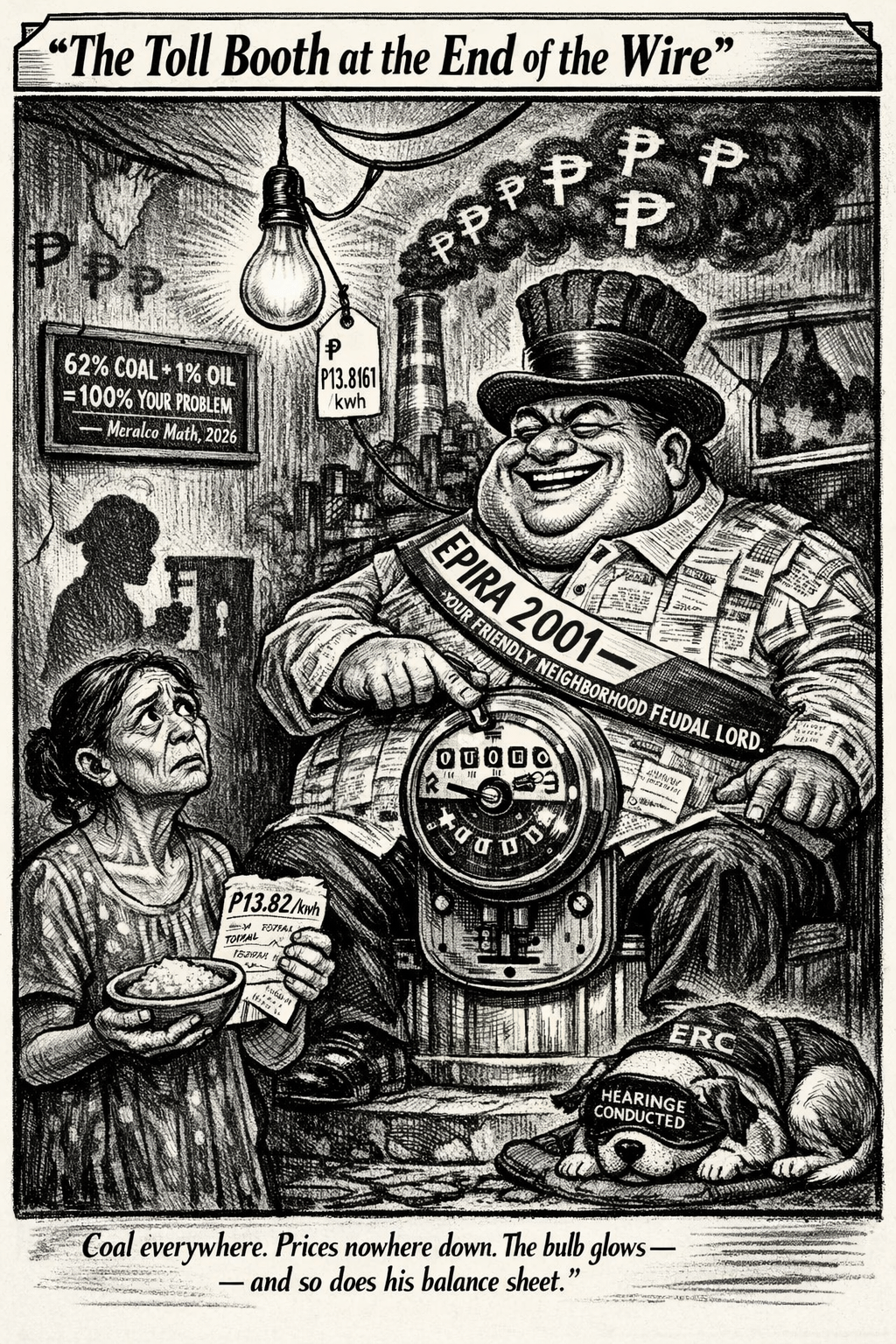
- Meralco Math: 62% Coal + 1% Oil = 100% of Your Suffering






 KWEBA ni BAROK
Leave a comment