By Louis ‘Barok‘ C. Biraogo
In a nation where personal freedoms often clash with traditional values, Senate President Pro Tempore Jinggoy Estrada’s stance on the divorce bill epitomizes this tension. By choosing to let the divorce bill languish, Estrada isn’t merely setting legislative priorities—he’s making a profound statement about whose lives and struggles matter most.
Estrada’s argument hinges on a blend of religious conviction and political pragmatism. “I am a devout Catholic. I adhere to the teachings of the Catholic Church,” he proclaims. But should a lawmaker’s religious beliefs dictate national policy in a secular state? The Philippines stands as the only country in the world, aside from Vatican City, where divorce remains illegal. This stance is increasingly out of step with modern norms and the realities faced by countless Filipinos.
Imagine a woman trapped in an abusive marriage, her pleas for help met with the cold comfort of an annulment process that’s cumbersome, costly, and painfully slow. Estrada suggests making annulments easier and cheaper, yet even this “solution” falls woefully short. Annulment implies that the marriage was never valid to begin with, a notion that can add layers of stigma and complexity to an already distressing situation. Divorce, on the other hand, recognizes the validity of the marriage while acknowledging the right to end it when it becomes untenable.
Estrada’s dismissal of the divorce bill as non-essential, saying it won’t help “kumakalam na tiyan” (growling stomachs), sidesteps the core issue. The impact of an unhappy, abusive, or dysfunctional marriage extends beyond emotional suffering. It affects economic stability, mental health, and the overall well-being of families. The ability to legally end a toxic relationship can be the first step toward rebuilding a life marked by security and hope.
Furthermore, his assertion that divorce is not a priority bill ignores the voices of those who suffer in silence. The very nature of his objection suggests a willingness to perpetuate the status quo at the expense of progressive change. This opposition, shared by other conservative senators like Senate President Francis Escudero and majority leader Francis Tolentino, reflects a broader reluctance to embrace reforms that challenge entrenched cultural and religious norms.
Yet, there is hope. Senators like Risa Hontiveros, who chairs the Senate women and family relations committee, and her supporters—including Loren Legarda, Grace Poe, and Pia Cayetano—offer a beacon of progress. They understand that legalizing divorce is about providing a legal remedy for those who desperately need it. It’s about aligning the country’s laws with the lived realities of its people.
The case for divorce in the Philippines is not just about individual rights; it’s about societal well-being. Studies from countries where divorce is legal show that while the process can be challenging, it ultimately leads to healthier familial structures and societal norms. Children in high-conflict homes benefit from the stability that can follow a parental separation. Adults, freed from destructive relationships, can contribute more effectively to their communities and economies.
The Philippines prides itself on being a democracy that values human rights and dignity. Yet, the inability to legally dissolve a marriage flies in the face of these principles. It’s time for lawmakers to rise above personal beliefs and act in the best interests of all Filipinos. This means passing the divorce bill, providing a legal avenue for those seeking to escape harmful marriages and paving the way for a more compassionate and just society.
In the corridors of the Senate, where the future of the divorce bill currently lies in limbo, one can only hope that reason and empathy will prevail over rigid dogma. The stakes are too high, and the suffering too real, for this issue to be “tulugan” (slept on) any longer.

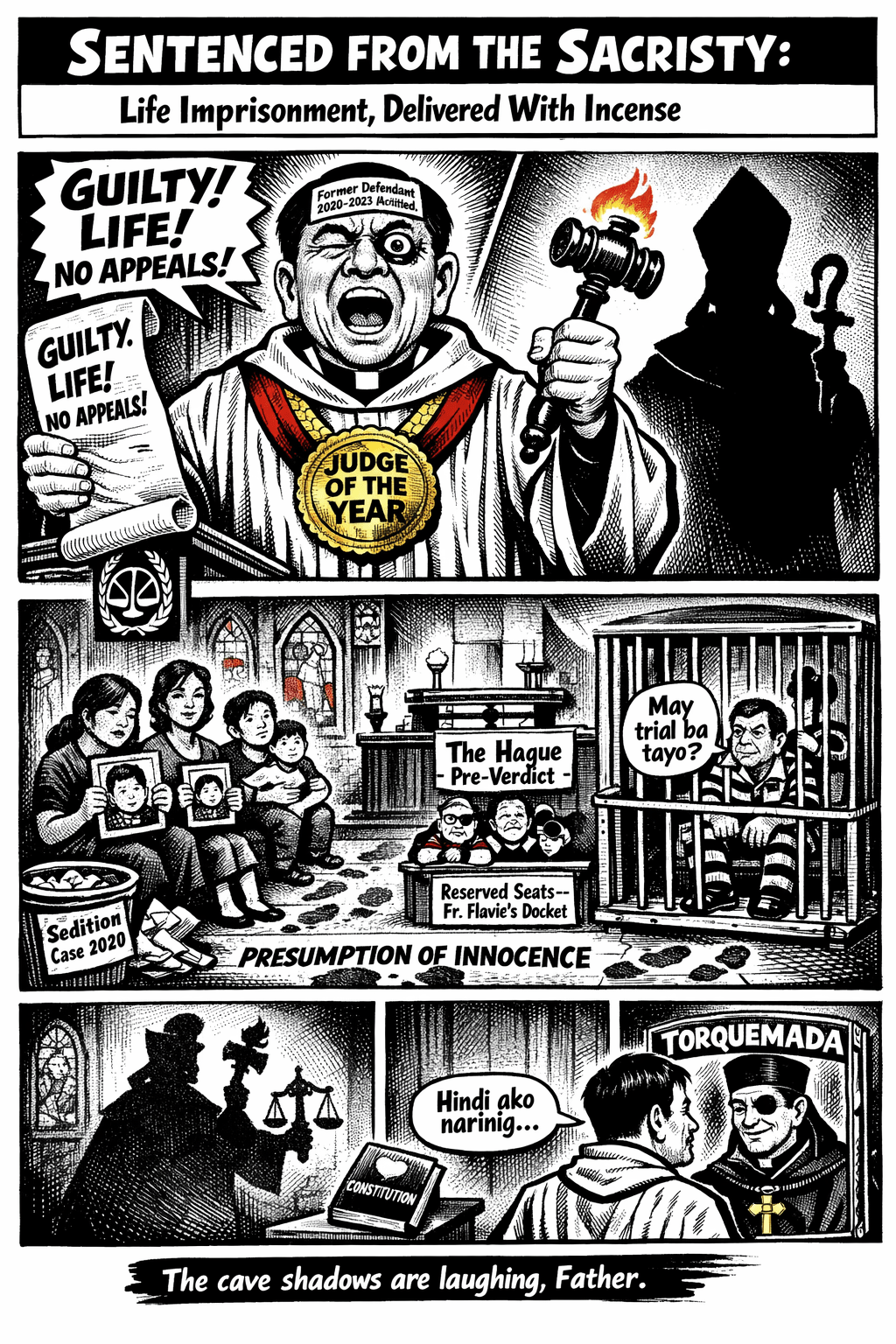
- Priest Sentences Duterte to Life – No Trial Needed
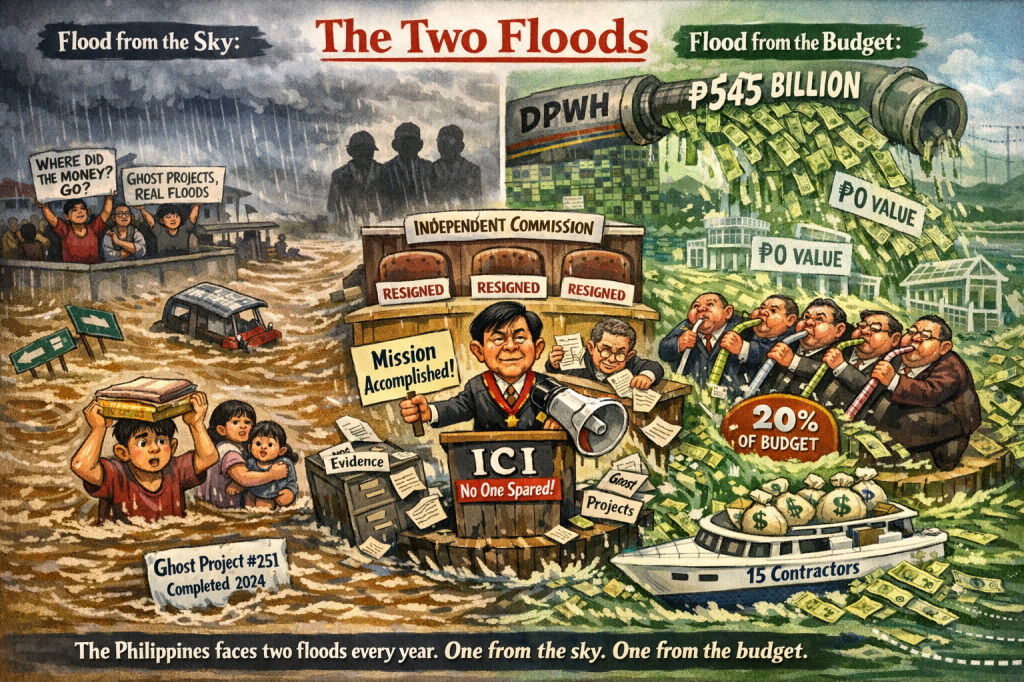
- Flood Control or Flood of Corruption? Marcos’ Infrastructure Probe Hits a Curious Pause

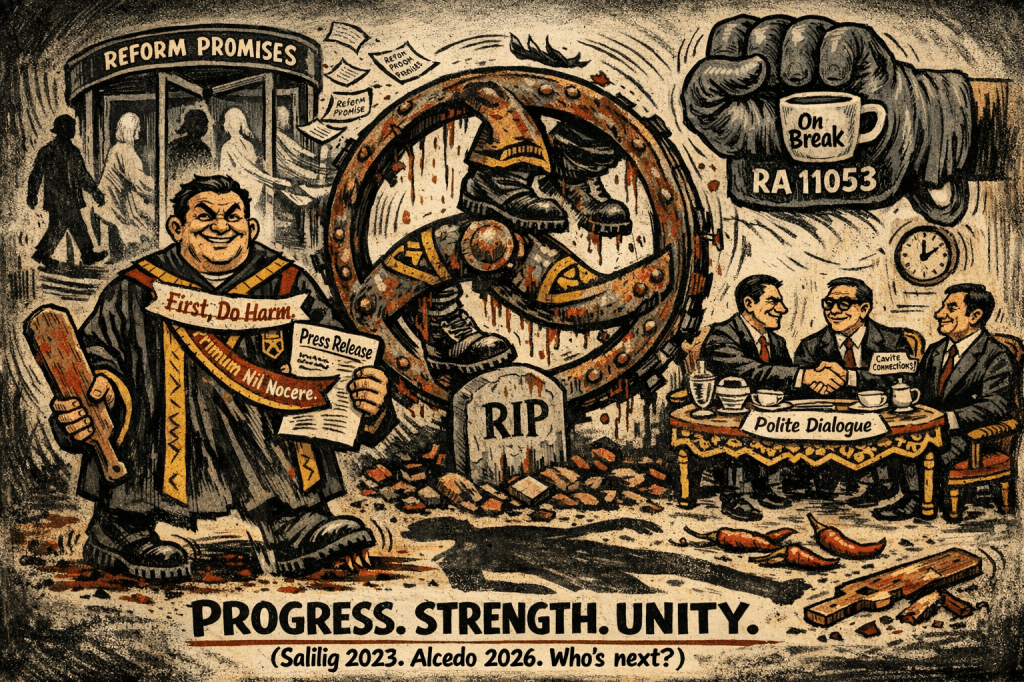
- Tau Gamma Phi: Where Brotherhood Means Beating You to Death and Blaming the Rogue Chapter
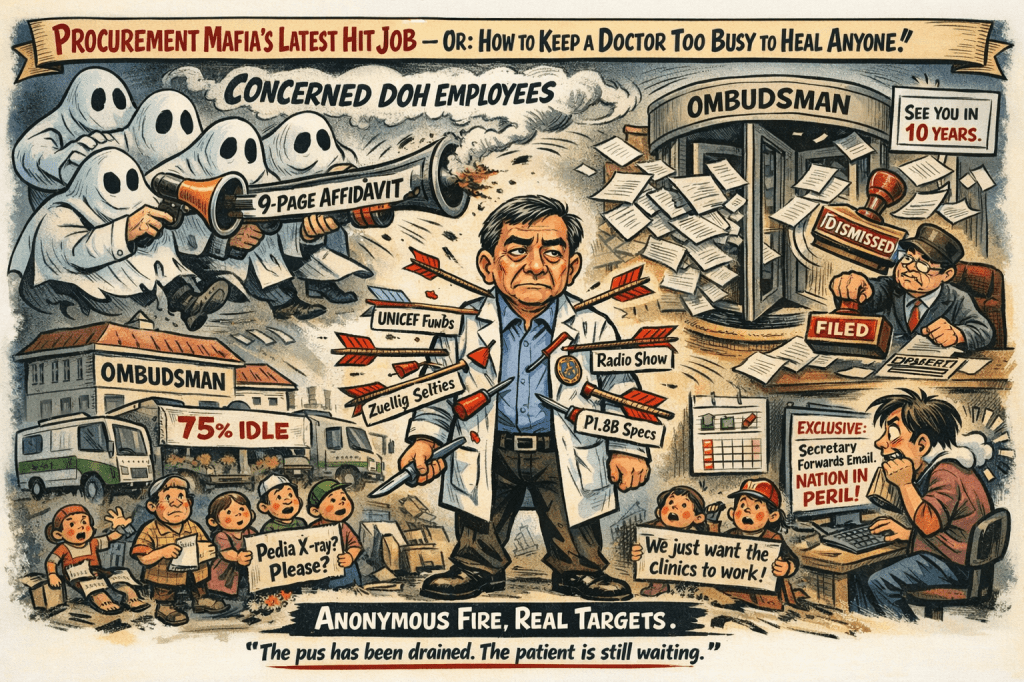
- Procurement Mafia’s Latest Hit Job: Why Herbosa Can’t Catch a Break
- Abra-Cadabra! 4.3 Million Poor Filipinos Just Vanished – Thanks, DHSUD Math



 KWEBA ni BAROK
Leave a comment