By Louis ‘Barok’ C. Biraogo
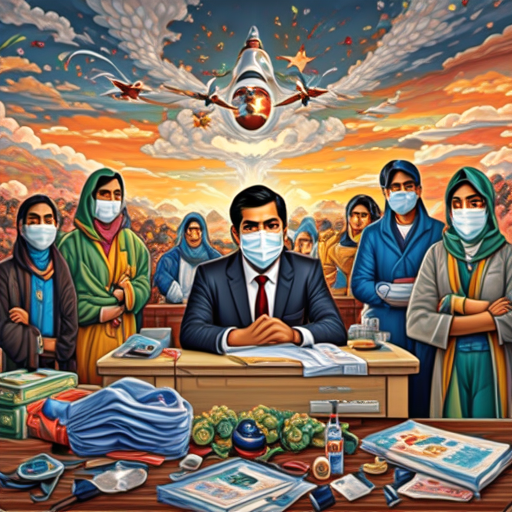
“No law was violated,” declared Senator Robinhood Padilla, casting his vote of confidence for former President Rodrigo Duterte’s controversial transfer of P47.6 billion in COVID-19 funds. Yet, as the nation grapples with the legacy of the pandemic and the implications of these actions, this statement requires more than a cursory nod to the law. It demands a deeper, forensic examination of the facts and the broader picture of accountability and justice.
A Blanket of Legal Immunity?
Padilla’s assertion hinges on Section 4 of the Bayanihan Law 1 (RA 11469), which indeed granted Duterte emergency powers to expedite the procurement of essential medical supplies, bypassing some procurement laws. This section, however, is not a carte blanche to disregard all governance and oversight mechanisms. It specifically intended to streamline processes, not to facilitate opaque dealings or allow for questionable practices that could undermine public trust.
But here’s where the narrative starts to unravel.
– The Procurement Controversy: The Commission on Audit (COA) flagged the contracts with Pharmally Pharmaceutical Corp., alleging overpricing and irregularities in the supply of face masks, face shields, and other essential gear. The contracts, some of which were awarded without competitive bidding, raise significant questions about whether the so-called “emergency powers” were exploited to sidestep safeguards intended to prevent corruption and fraud.
– Legislative Intent and Oversight: The Bayanihan Law’s primary intent was to address urgent needs swiftly, not to create a loophole for mismanagement. The law’s language, while designed to accelerate procurement, did not eliminate the requirement for transparency and accountability. The Government Procurement Policy Board Resolution of April 6, 2020, did indeed allow for some relaxations, but it did not abrogate the fundamental duty to ensure value for money and fair dealing.
Echoes of Past Precedents
Consider the historical context. In the aftermath of previous crises, from the Asian Financial Crisis to the global recession of 2008, governments worldwide faced pressures to act swiftly. Yet, these efforts were not without scrutiny. For instance, the World Bank’s response to procurement irregularities in several countries during the 2008 crisis underscored the importance of maintaining rigorous oversight even in times of emergency.
In the Philippines, the Anti-Graft and Corrupt Practices Act (RA 3019) and the Code of Conduct and Ethical Standards for Public Officials and Employees (RA 6713) remain in full effect. These laws mandate integrity, transparency, and accountability, regardless of the emergency status.
The Question of Mud-slinging
Padilla’s rhetorical question, “Must we resort to mudslinging at a time when the country is in peril?” is poignant, but it misses a critical point: accountability is not mudslinging; it is the bedrock of democracy. In times of crisis, transparency and scrutiny are not luxuries but necessities.
– The Public’s Right to Know: The people have a right to understand how their money was spent, especially in a crisis that claimed lives and livelihoods. The very essence of democracy is the people’s ability to hold their leaders accountable. Without this, we risk eroding the foundations of trust and governance.
The Path Forward: Justice and Rule of Law
As the investigation unfolds, the imperative is clear:
– Scrutiny of Contracts and Transactions: Every contract, every transaction related to the COVID-19 funds, must be subject to rigorous examination. This is not just about legality but about integrity. The allegations against Pharmally and others involved in the procurement process must be thoroughly investigated. The facts must be laid bare, and any wrongdoing must be prosecuted to the fullest extent of the law.
– Judicial and Legislative Oversight: The judiciary must remain vigilant, ensuring that the rule of law prevails. Concurrently, the legislative body must strengthen oversight mechanisms to prevent such lapses in the future. This includes revisiting and possibly tightening the Bayanihan Law’s provisions to ensure that emergency powers do not become a veil for corruption.
– A Call to Conscience: To those who defend Duterte’s actions, I urge them to consider the long-term impact on our democratic institutions. Upholding the rule of law and ensuring justice is not a matter of political convenience but of moral duty. As the nation stands at this crossroads, let us choose justice over expedience, transparency over opacity, and truth over silence.
In the twilight of this controversy, the shadows of accountability must not be allowed to fade. The Filipino people deserve nothing less than a full, fair, and fearless accounting of how their resources were managed during one of the most challenging periods in modern history. Only then can we truly say that justice has been served, and the rule of law has been restored.

- Priest Sentences Duterte to Life – No Trial Needed
- Flood Control or Flood of Corruption? Marcos’ Infrastructure Probe Hits a Curious Pause
- Tau Gamma Phi: Where Brotherhood Means Beating You to Death and Blaming the Rogue Chapter
- Procurement Mafia’s Latest Hit Job: Why Herbosa Can’t Catch a Break
- Abra-Cadabra! 4.3 Million Poor Filipinos Just Vanished – Thanks, DHSUD Math



 KWEBA ni BAROK
Leave a comment