
By Louis ‘Barok‘ C. Biraogo
The fight against dengue in the Philippines is far from over. Though recent data from the Department of Health (DoH) shows a heartening decline in dengue cases, with numbers dropping from 5,359 to 3,992 in just two weeks, Health Secretary Ted Herbosa’s warnings remind us that complacency could be our greatest enemy. Herbosa’s clarion call to action is not merely an alarmist plea; it is grounded in a sober assessment of the persistent and cyclic nature of dengue fever, especially as we transition from El Niño to the rainy season—a period ripe for mosquito proliferation.
Why should we heed Herbosa’s admonitions? The history of dengue outbreaks, both locally and globally, paints a stark picture of what happens when vigilance lapses. The 2019 outbreak in the Philippines, for instance, was one of the worst in recent memory, with over 400,000 cases reported and hundreds of lives lost. This tragedy underscores the importance of sustained public health efforts and community involvement in vector control.
Other countries have faced similar battles. Singapore, renowned for its meticulous urban planning and stringent public health policies, still grapples with dengue. In 2020, it faced its largest outbreak ever, a stark reminder that even with advanced infrastructure and resources, dengue can surge if preventive measures are not meticulously maintained.
Scientific studies bolster Herbosa’s call for continuous community engagement. Research consistently shows that dengue outbreaks are heavily influenced by environmental conditions conducive to mosquito breeding, such as standing water from rainfall. The Aedes mosquito, the primary vector for dengue, thrives in such conditions, leading to spikes in infection rates during rainy seasons.
Moreover, the complex interplay of climate change cannot be ignored. As global temperatures rise and weather patterns become increasingly erratic, mosquito-borne diseases like dengue are expected to spread further and become more intense. This isn’t mere speculation; the World Health Organization (WHO) has warned that climate change is likely to increase the spread of diseases carried by vectors such as mosquitoes, ticks, and fleas.
Herbosa’s recommendation for personal protective measures—wearing long sleeves and pants, using mosquito repellent, and ensuring early medical consultation for symptoms—are not just common-sense precautions but vital actions supported by epidemiological evidence. Fogging operations, though sometimes controversial, are an essential tool in reducing mosquito populations in high-risk areas.
What more can we do? First, we need robust public health campaigns that educate and engage communities on the importance of eliminating mosquito breeding sites. Simple actions like cleaning gutters, disposing of old tires, and covering water containers can significantly reduce mosquito populations.
Second, investing in research for a long-term solution is crucial. The development of vaccines, like the Dengvaxia vaccine, although controversial, marks progress. Continued investment in safe and effective vaccines could eventually offer more robust protection against dengue.
Third, global cooperation is essential. Dengue does not respect borders, and international collaboration in research, data sharing, and resource allocation is vital to combat this global health threat.
In the face of a disease as relentless as dengue, Herbosa’s insistence on persistent and proactive measures is not just prudent; it is necessary. The numbers may have dipped for now, but the fight is far from over. We must remember the past, learn from the experiences of others, and listen to the science. Only through collective action and unwavering vigilance can we hope to keep dengue at bay and protect the lives of our loved ones. The stakes are high, and the cost of complacency is too great to bear.

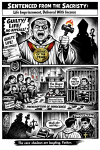
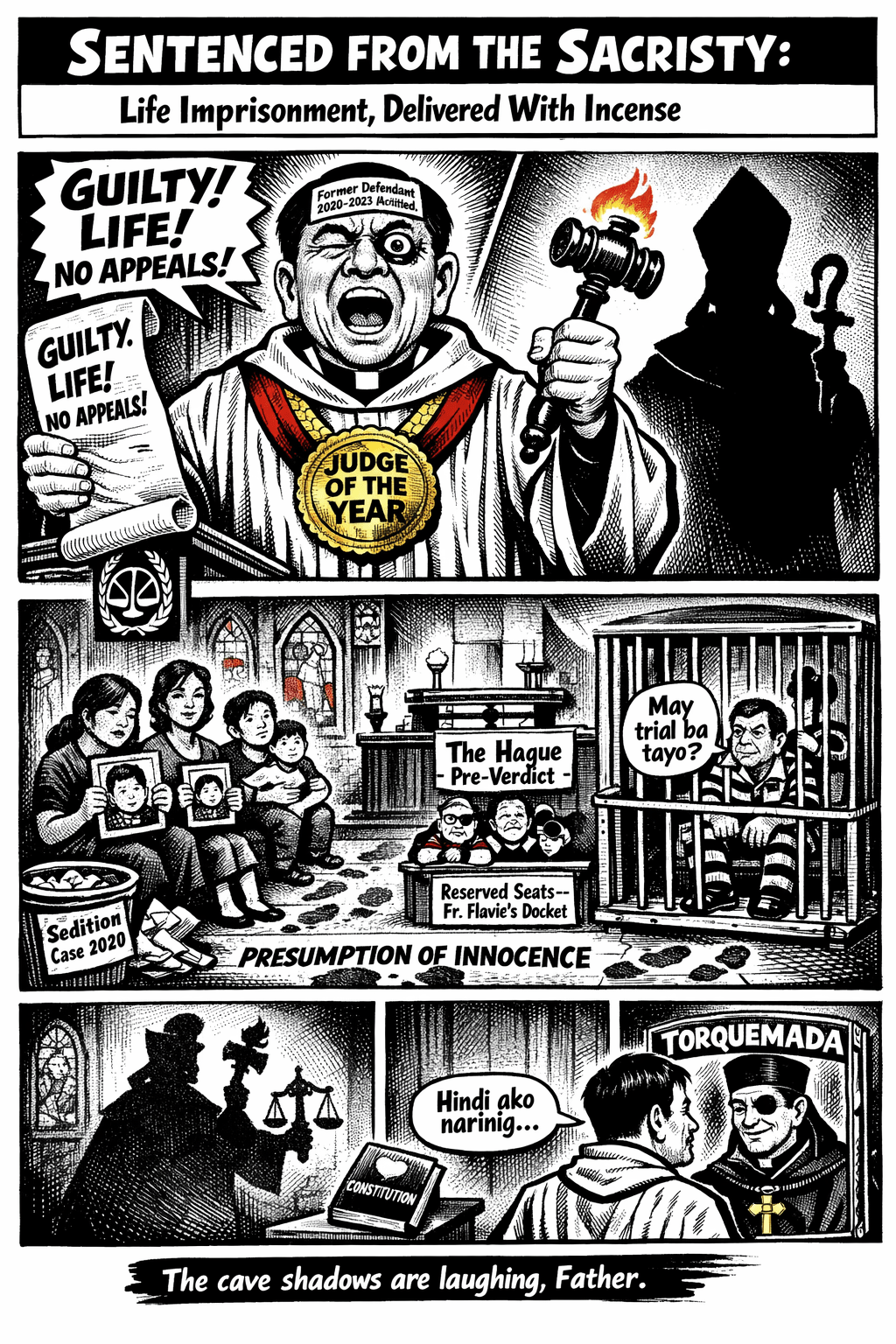
- Priest Sentences Duterte to Life – No Trial Needed
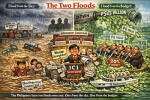
- Flood Control or Flood of Corruption? Marcos’ Infrastructure Probe Hits a Curious Pause
- Tau Gamma Phi: Where Brotherhood Means Beating You to Death and Blaming the Rogue Chapter

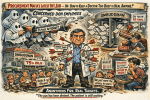
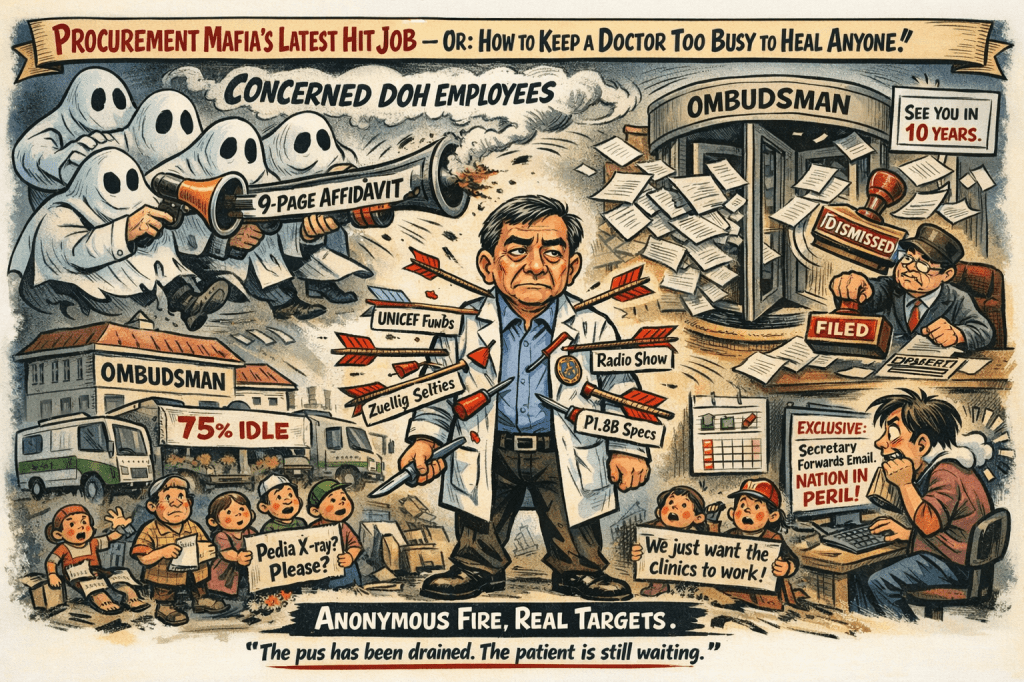
- Procurement Mafia’s Latest Hit Job: Why Herbosa Can’t Catch a Break
- Abra-Cadabra! 4.3 Million Poor Filipinos Just Vanished – Thanks, DHSUD Math



 KWEBA ni BAROK
Leave a comment