
By Louis ‘Barok‘ C. Biraogo
The latest chapter in the unfolding saga of Arnolfo “Arnie” Teves Jr. reveals a tale of desperation and deflection, cloaked in accusations and cries for international intervention. Teves, a former Negros Oriental Representative, faces grave charges of multiple murders, yet he attempts to divert the course of justice by penning letters to human rights organizations and even Pope Francis. The Department of Justice (DOJ) rightly labels these maneuvers as “imaginary and a delaying tactic.” Let’s dissect the legal and moral fabric of this situation, defending the DOJ’s stance while exposing the fallacies and deceptive rhetoric from Teves and his counsel.
First, consider the gravity of the charges against Teves: he stands accused of orchestrating the brutal killing of Negros Oriental Governor Roel Degamo and others. The evidence and accusations are not trivial or baseless—they have led to his designation as a terrorist and a fugitive by the Philippine Anti-Terrorism Council. These are not the actions of a capricious government but of a legal system responding to serious allegations of orchestrated violence.
Justice Secretary Jesus Crispin Remulla’s call for Teves to face the court and answer the charges “fair and square” is a fundamental principle of justice. In any functioning democracy, the accused are granted the right to a fair trial. Teves’s refusal to return and submit to Philippine jurisdiction undermines his credibility and suggests an unwillingness to engage with due process. History teaches us that those who evade justice often have much to hide. From international fugitives like Julian Assange to local ones like the Ampatuan clan in the Philippines, avoidance of legal proceedings typically erodes public trust.
Teves’s appeal to human rights organizations and Pope Francis reeks of an attempt to politicize his legal troubles. Claiming political persecution without substantial evidence diminishes the real struggles of those genuinely persecuted for their beliefs and actions. The Philippines, despite its challenges, has mechanisms to protect political dissidents and ensure fair trials, as evidenced by numerous cases adjudicated transparently.
Attorney Ferdinand Topacio’s assertion that not every action of the opposite camp requires comment is an evasion in itself. Legal defenses should be built on facts and evidence presented in court, not on public relations campaigns aimed at garnering sympathy and deflecting legal responsibilities. The invocation of high-profile international figures and organizations without presenting tangible evidence of danger or political machinations is a tactic of obfuscation, not clarity.
Moreover, the DOJ has offered assurances of Teves’s safety should he return. This pledge should not be dismissed lightly. The Philippine government, by promising protection, places the onus on Teves to substantiate his fears with real and existing proof. This offer aligns with international legal standards, ensuring the accused’s safety while upholding the rule of law.
Furthermore, historical precedents highlight the importance of confronting legal challenges head-on. Nelson Mandela, despite facing an unjust regime, chose to stand trial and used the platform to highlight his cause, ultimately earning global respect and contributing to his country’s transformation. Teves’s avoidance starkly contrasts with such courageous examples.
In terms of recommendations, Teves should heed the DOJ’s call to face the charges against him in court. His legal team should focus on presenting their case within the legal framework rather than appealing to international sentiment. Human rights organizations, while vigilant, must be cautious of being manipulated in political and legal battles where the facts have not been fully adjudicated.
The Philippine government, on its part, must ensure that Teves receives a fair trial, free from political interference, to demonstrate its commitment to justice and transparency. This approach not only upholds the integrity of the judicial system but also reaffirms public confidence in its processes.
As we navigate this complex legal landscape, it is essential to separate genuine political persecution from strategic deflection. The charges against Teves are severe and rooted in substantial allegations. Justice must prevail, not through letters and appeals to distant figures but through the steadfast application of the law. The victims of these heinous crimes deserve nothing less than a fair and expeditious trial, and Teves must face the scales of justice without further delay.

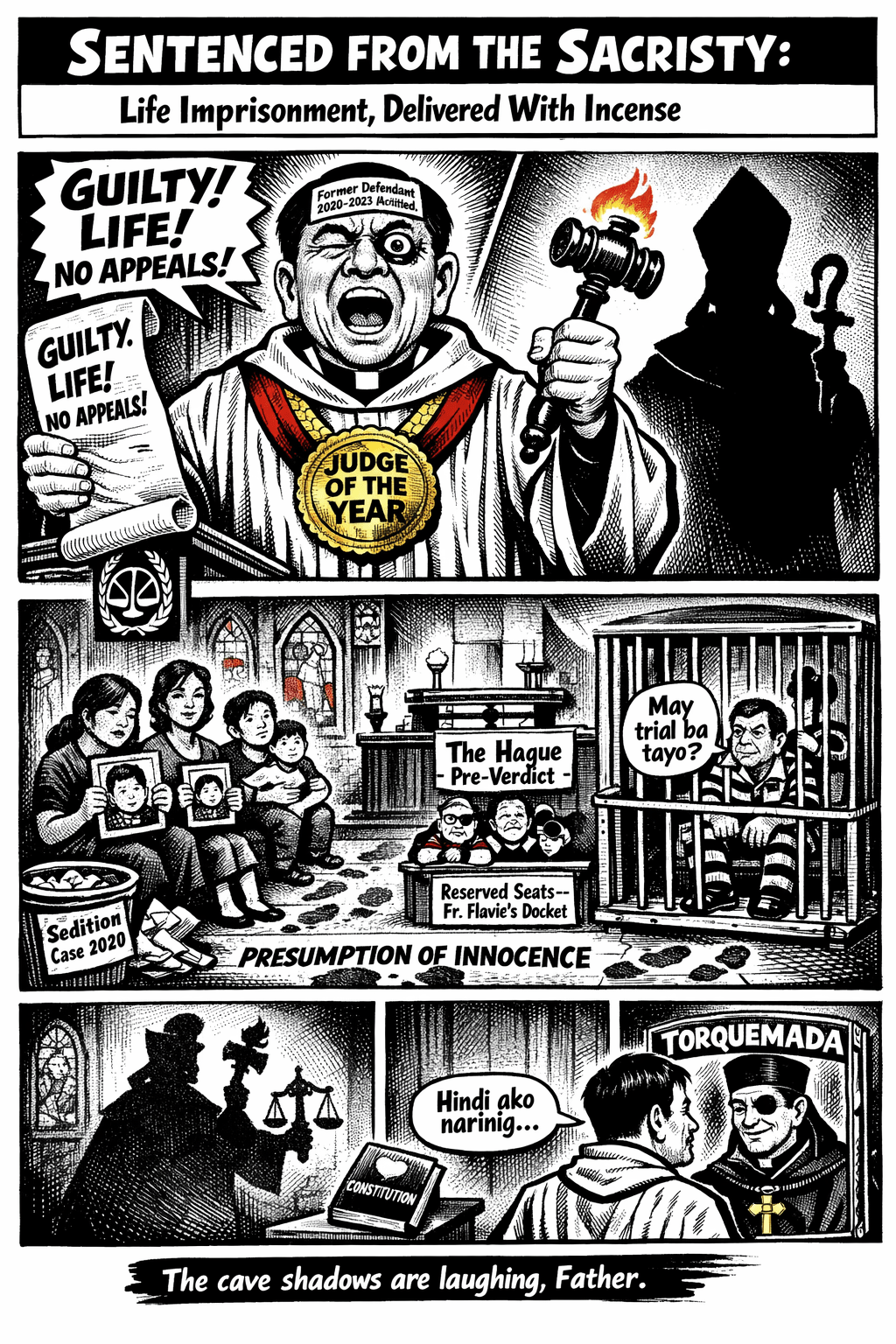
- Priest Sentences Duterte to Life – No Trial Needed

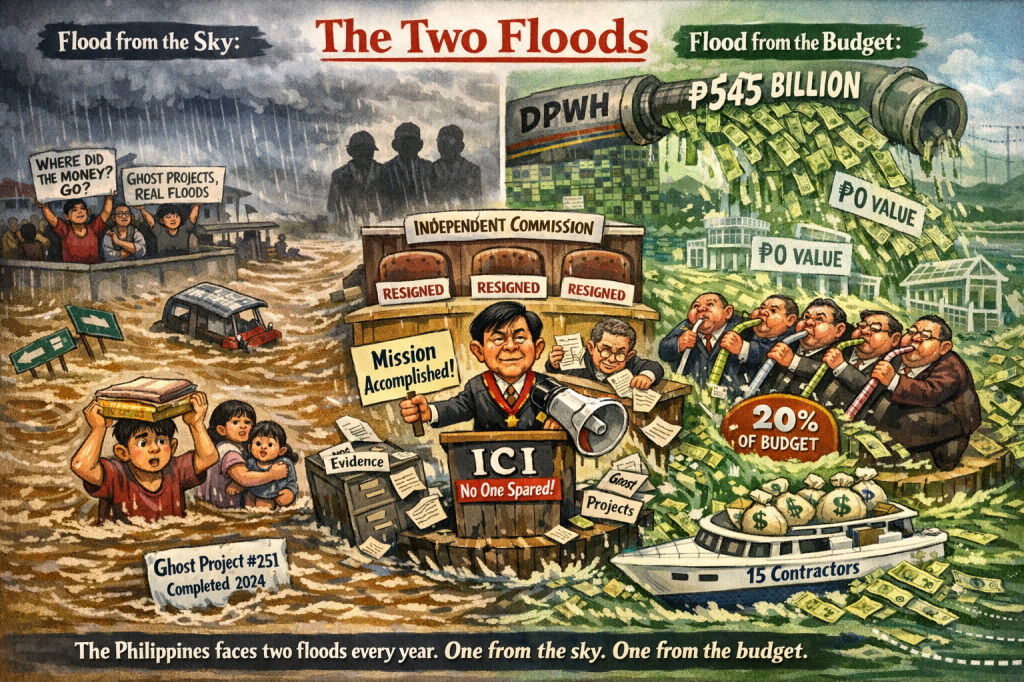
- Flood Control or Flood of Corruption? Marcos’ Infrastructure Probe Hits a Curious Pause

- Tau Gamma Phi: Where Brotherhood Means Beating You to Death and Blaming the Rogue Chapter

- Procurement Mafia’s Latest Hit Job: Why Herbosa Can’t Catch a Break

- Abra-Cadabra! 4.3 Million Poor Filipinos Just Vanished – Thanks, DHSUD Math




 KWEBA ni BAROK
Leave a comment