
By Louis ‘Barok‘ C. Biraogo
In a striking verdict that resonates with justice, the Sandiganbayan has delivered a damning blow to corruption in the Philippines. Former Department of Education (DepEd) Regional Director Jesus Nieves has been sentenced to up to 27 years in prison for embezzling P6.16 million meant for teachers’ salaries in 2007. This is not just a legal victory; it is a potent reminder that no one is above the law, and that the nation’s coffers are not a playground for unscrupulous officials.
The Gravity of Nieves’ Crimes
Nieves’ crimes are nothing short of a betrayal. He was convicted on counts of graft and malversation of public funds, with the court handing down a 10-year sentence for graft and a staggering 17 years for malversation. The details of his scheme are chilling: he manipulated the transfer of funds from the DepEd Region 9’s payroll account to a defunct trust fund account under the Belgian Integrated Agrarian Reform Support Program, a project that had ended years before. This cynical maneuver was executed with cold precision—transferring the funds, issuing a check for the same amount, and cashing it four days later. The funds, intended to uplift the lives of teachers, instead vanished into the abyss of Nieves’ greed, leaving the salaries “unremitted, unrestituted, and unaccounted for,” as the court ruling states.
A Pattern of Corruption
Nieves’ case is not an isolated incident but part of a sordid pattern that has plagued the Philippines’ public sector. From the misappropriation of funds intended for health programs to the grandiose scandals involving the misuse of Philippine Charity Sweepstakes Office (PCSO) funds, the nation’s public coffers have been pillaged with alarming regularity. Consider the anomalous deals in the Bureau of Customs, where officials have been caught red-handed allowing the smuggling of billions in goods, or the countless other instances where public money has been siphoned off for personal gain. The question is not whether there is corruption, but how deeply it is embedded in our systems.
The Sandiganbayan: A Beacon of Hope
The Sandiganbayan’s decision to convict Nieves is a testament to its unwavering commitment to justice. In a society where impunity has often reigned supreme, this ruling stands as a pillar of hope, signaling that the judiciary can indeed deliver accountability. It sends a clear message: corruption will not be tolerated, and those who steal from the people will face the full force of the law. The perpetual disqualification of Nieves from holding public office and the order for him to pay a fine equivalent to the misappropriated amount underscores the court’s resolve to reclaim stolen resources and restore public trust.
A Stern Warning to Public Servants
To all public servants, Nieves’ fate should serve as a stark warning. The era of unchecked corruption must end. The people’s trust is not something to be taken lightly. The Sandiganbayan’s decision should resonate through every government office, every public school, and every agency. You are not above scrutiny, and your actions will be judged by the highest standards of integrity and transparency.
Recommendations for a Corruption-Free Future
1. Strengthen Anti-Corruption Laws: The Philippines must not just enforce existing laws but also enhance them to close loopholes that corrupt officials exploit. The introduction of stringent penalties for embezzlement and a faster judicial process for corruption cases are essential.
2. Enhance Transparency and Accountability: Implementing real-time monitoring systems for government funds, coupled with public disclosure of all transactions, will make it nearly impossible for corrupt schemes to flourish. Online platforms where citizens can report anomalies without fear of reprisal should be expanded.
3. Promote a Culture of Integrity: It’s time to instill a culture of integrity and accountability from the grassroots level to the highest echelons of power. Educational programs and community outreach can play a crucial role in reshaping public perception and fostering a new generation of leaders who value service over self-interest.
4. International Cooperation: Given the transnational nature of many corruption schemes, strengthening cooperation with international bodies to track and recover illicit assets is crucial. The Philippines should actively engage with international anti-corruption agencies to bolster its efforts.
Conclusion
As we celebrate the Sandiganbayan’s resolute stance against corruption, let us also remember that this fight is far from over. The story of Jesus Nieves is a sobering reminder of the pervasive rot that still plagues our institutions. It is time for every Filipino, every public servant, and every citizen to rise and demand a government that serves with integrity and honor. The days of greed and impunity must end, and a new dawn of transparency and justice must begin. The Sandiganbayan’s ruling is a crucial step in this relentless battle, and it is now up to all of us to ensure that the scales of justice remain balanced and true.

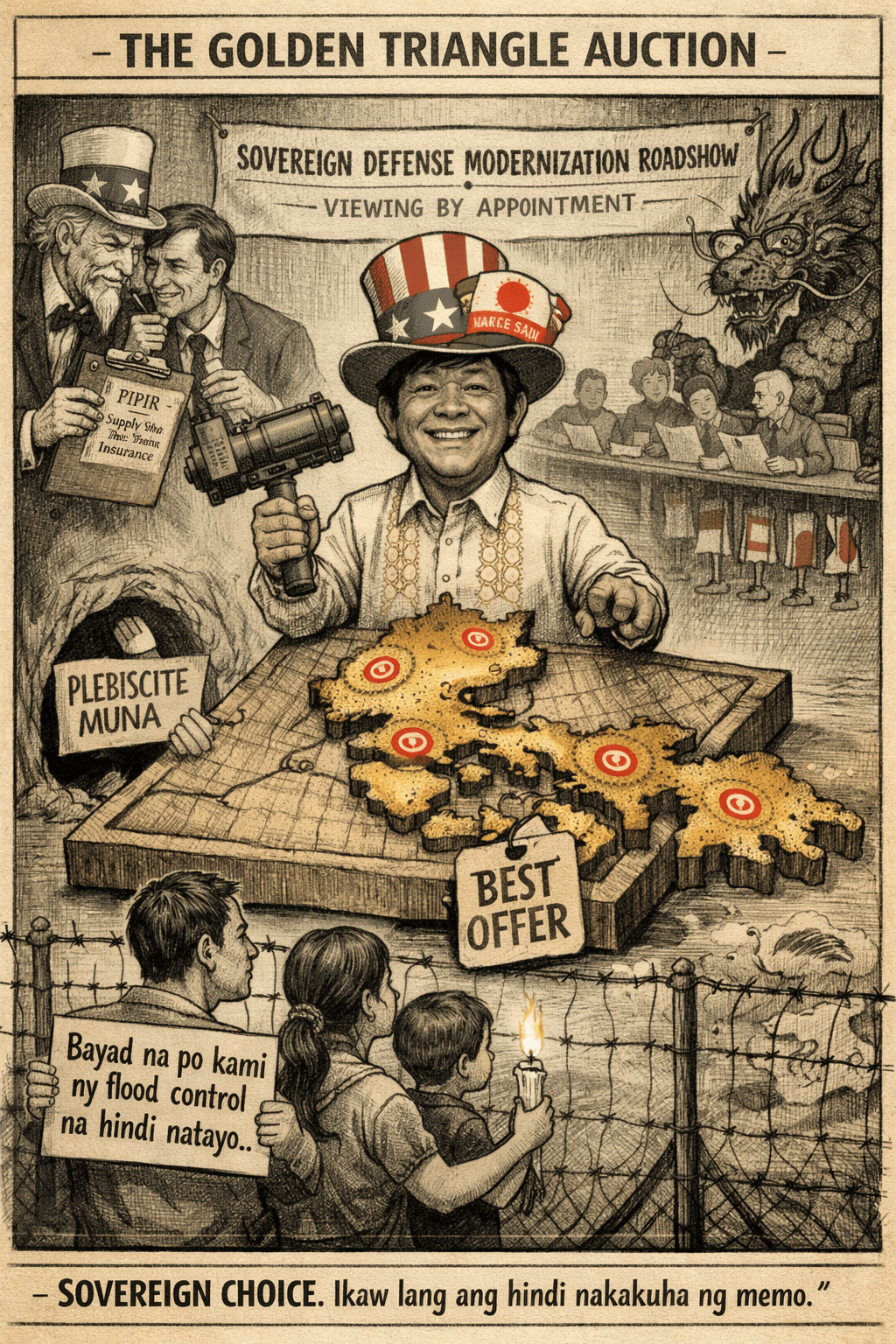
- PH Begs Iran: “Please Call Us Non-Hostile” While Hugging US Bases

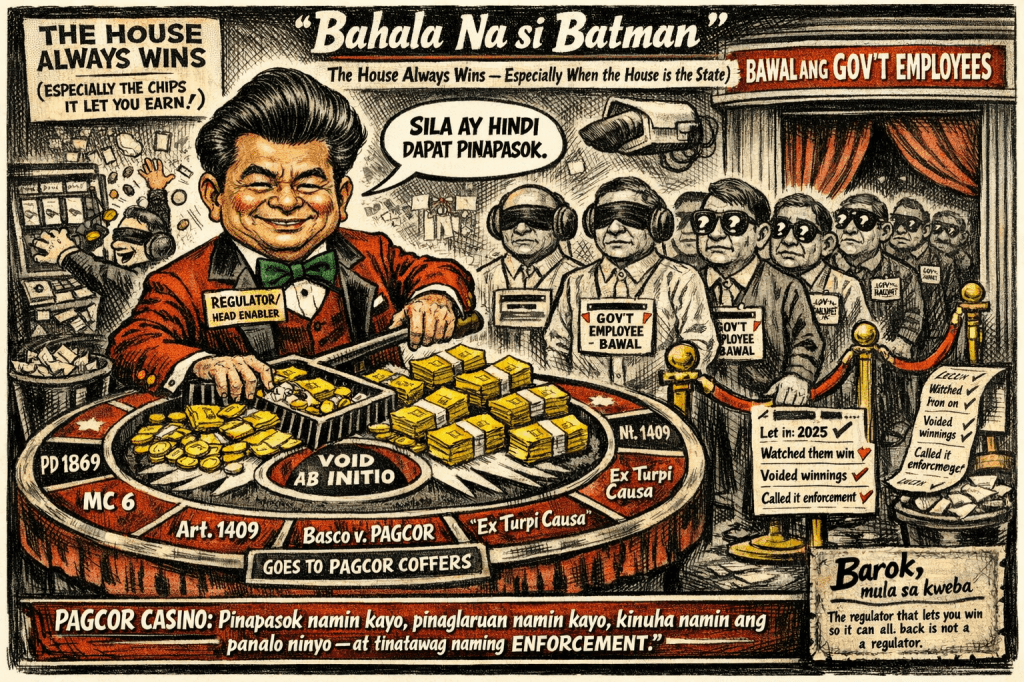
- PAGCOR’s P310M Casino Heist: The Regulator That Robs Its Own Players

- Philippines as ASEAN’s Ukraine? War Factory Fantasy Exposed

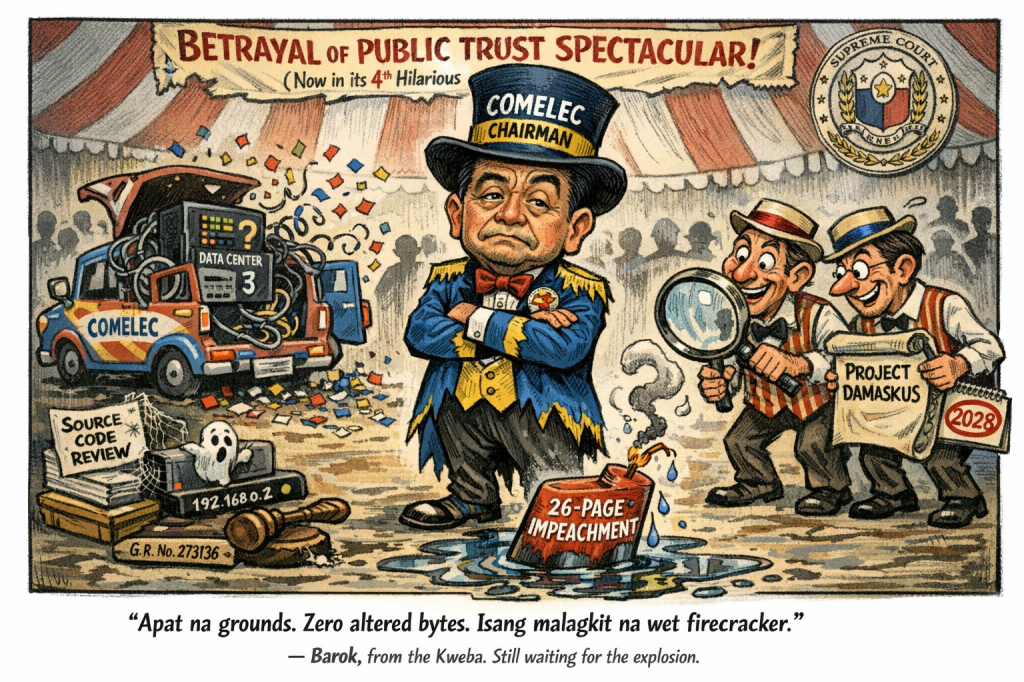
- COMELEC Clown Car Impeached: Garcia’s 26-Page Wet Firecracker

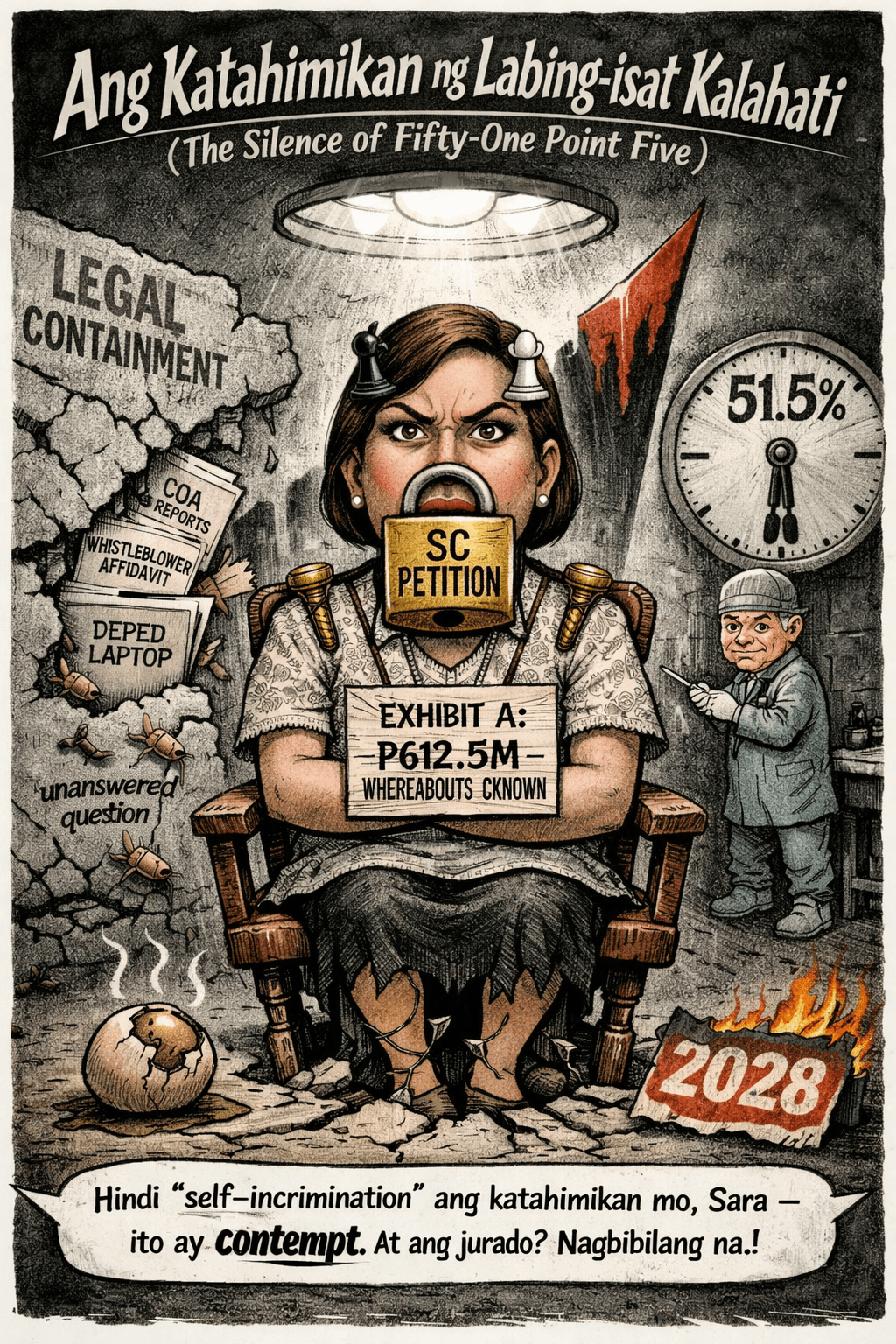
- Fishing Expedition” or House Overreach? Sara Duterte Strikes Back




 KWEBA ni BAROK
Leave a comment