By Louis ‘Barok’ C. Biraogo
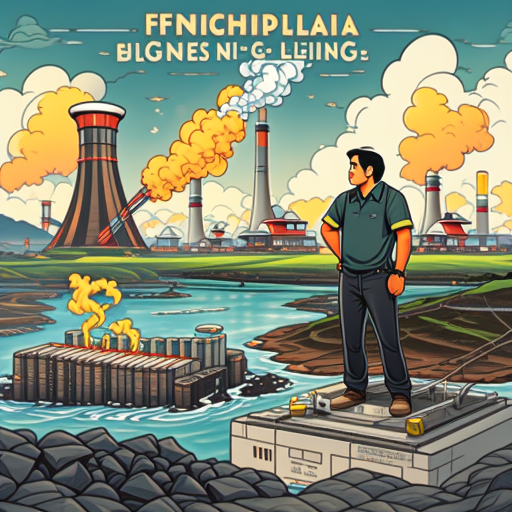
The Philippines, grappling with its burgeoning energy demands and the climate imperative, is casting a long-term bet on nuclear power to eventually supplant its reliance on liquefied natural gas (LNG). This audacious pivot, spearheaded by the nation’s largest private electric utility, Manila Electric Co. (Meralco), signals a broader resurgence in global nuclear interest. But can nuclear power truly be the panacea for the Philippines’ carbon woes, or is it a perilous gamble with high stakes?
Meralco’s strategy emerges from a pressing conundrum: how to secure a steady, carbon-free baseload power supply as the world shifts away from fossil fuels. “After liquefied natural gas, we’re not sure what technology will be there to supply carbon-free baseload power,” notes Lawrence Fernandez, Meralco’s head of utility economics. The vision is tantalizing—an archipelago powered by the inexhaustible promise of nuclear energy, free from the carbon chains of coal and gas.
Yet, the road to nuclear nirvana is strewn with formidable obstacles. As of 2023, coal still dominates the Philippine electricity mix, comprising nearly 44 percent. The government’s ambitious targets of 35 percent renewables by 2030 and 50 percent by 2040 are laudable, but the transition remains fraught with challenges. Nuclear power, while theoretically ideal, presents regulatory, logistical, and societal hurdles.
The absence of a legal framework for nuclear feedstock imports and the licensing of nuclear engineers is a glaring gap. Building a nuclear infrastructure from scratch in a country that has long been dependent on fossil fuels is no small feat. Despite these hurdles, Meralco is proactively training its engineers abroad, in nuclear-savvy nations like Canada, the US, and France. This foresight is crucial; a robust pool of skilled engineers will be indispensable for any future nuclear ventures.
The Philippine foray into nuclear energy is emblematic of a broader global trend. Countries like Japan, Korea, Germany, and India are all re-evaluating nuclear power despite historical safety concerns. For the Philippines, the stakes are uniquely high. The archipelago’s vulnerability to natural disasters raises the specter of nuclear mishaps, which could be catastrophic.
The potential advantages of nuclear energy in the Philippines are significant. As a reliable source of carbon-free baseload power, nuclear can reduce the country’s carbon footprint and provide energy security. It offers a sustainable solution to the erratic supply and high costs associated with imported fossil fuels.
However, the disadvantages are equally stark. The high initial costs of building nuclear plants, the long lead times for construction, and the complex regulatory requirements are formidable barriers. Furthermore, public perception of nuclear energy, shaped by past disasters like Chernobyl and Fukushima, remains a significant challenge.
The energy situation in the Philippines is at a critical juncture. The country’s reliance on coal is environmentally unsustainable, and LNG, while cleaner, is not a long-term solution. Renewables alone may not suffice to meet the growing energy demand and ensure grid stability.
Therefore, a cautious but progressive approach is warranted. The Philippines should continue to invest in renewable energy sources to meet its near-term goals while laying the groundwork for nuclear energy. This includes developing a comprehensive regulatory framework, investing in safety and disaster preparedness, and fostering public trust through transparency and education.
In conclusion, the Philippines’ long-term energy plan, with its nuclear aspirations, is a bold and potentially transformative move. It holds the promise of a sustainable energy future but demands meticulous planning, significant investment, and a robust regulatory framework. The journey towards a nuclear-powered Philippines will be arduous and fraught with risks, but with prudent steps, it can steer the archipelago towards a brighter, carbon-free future.

- PH Begs Iran: “Please Call Us Non-Hostile” While Hugging US Bases

- PAGCOR’s P310M Casino Heist: The Regulator That Robs Its Own Players
- Philippines as ASEAN’s Ukraine? War Factory Fantasy Exposed

- COMELEC Clown Car Impeached: Garcia’s 26-Page Wet Firecracker

- Fishing Expedition” or House Overreach? Sara Duterte Strikes Back






 KWEBA ni BAROK
Leave a comment