
By Louis ‘Barok‘ C. Biraogo
In the simmering debate over the Philippine Charity Sweepstakes Office’s (PCSO) dealings with Pacific Online Systems Corporation (POSC), a tempest is brewing. At the heart of the controversy lies a dispute over a memorandum of agreement (MOA) that has drawn the ire of the Filipinos for Peace, Justice, and Progress Movement (FPJPM), which alleges in its complaint with the Ombudsman that the deal is tainted with undue profit margins. As General Manager Melquiades Robles prepares to counter the allegations with his own set of charges, the case underscores a complex struggle involving transparency, governance, and the vested interests of various stakeholders.
Historical Context and the Stakes
The PCSO has long been a fixture in the Philippines, established in 1934 to raise funds for health programs and charities through lotteries and sweepstakes. Its role has been pivotal in channeling resources to social services, making it a crucial institution in the nation’s social welfare infrastructure. Over the years, however, it has faced numerous controversies, from allegations of mismanagement to questions about its contracts and dealings. This backdrop sets the stage for the current conflict, where the stakes are high, and the allegations are serious.
The Controversy Unfolded
The FPJPM’s complaint centers on a seemingly straightforward issue: the 14% commission clause in the MOA between PCSO and POSC. FPJPM argues that this commission contradicts an earlier proposal from POSC, which had offered its services at no cost to the government. They allege that this deal not only contradicts the initial terms but also potentially wastes public funds.
Robles, on the other hand, asserts that the MOA was executed based on valid executive guidance from the Office of the President (OP) in 2021, which he insists remains in effect unless amended or revoked. Robles’s stance is bolstered by the Office of the Government Corporate Counsel’s (OGCC) favorable review, which he argues has addressed and cleared the issues raised by FPJPM.
Strengths and Merits of the PCSO’s Position
1. Executive Authority and Legal Review: Robles’s reliance on the OP’s guidance and the OGCC’s review underscores a layer of procedural legitimacy. This support is crucial in defending the PCSO’s actions against claims of impropriety.
2. Operational Continuity: The MOA’s continuation, as per Robles, is essential for maintaining the integrity and continuity of the e-lotto service, which is critical for the funding of numerous charitable initiatives.
Weaknesses and Controversial Aspects
1. Transparency and Accountability: The FPJPM’s contention that the agreement’s terms deviate from the initial offer without proper justification raises serious questions about transparency. The public’s trust in the PCSO’s operations is at stake, especially given its history of controversies.
2. Legislative Oversight: Lawmakers have previously criticized the PCSO for bypassing the OGCC’s approval, highlighting a lapse in procedural diligence. This not only questions the PCSO’s adherence to regulations but also casts doubt on its commitment to good governance.
The Underlying Battles
Beyond the immediate allegations lies a broader struggle involving various interest groups with stakes in the outcome. The FPJPM’s actions could be seen as part of a larger push for greater accountability and transparency in government dealings. Meanwhile, Robles’s defense is indicative of the entrenched interests that often seek to protect their turf and maintain the status quo.
The clash between these forces is not merely about a single contract but about the larger issue of how public resources are managed and the checks and balances that should govern such dealings. It’s a battle that pits the principles of good governance against the realities of political and economic interests.
Recommendations for a Path Forward
1. Enhanced Transparency: To restore public trust, PCSO should consider opening its processes to greater scrutiny. Regular audits, public disclosures of contracts, and transparent reporting mechanisms could help address concerns about opacity.
2. Strengthening Oversight: The government should reinforce legislative oversight to ensure that all dealings, especially those involving public funds, adhere strictly to established guidelines. This includes ensuring that all agreements are vetted by the OGCC before implementation.
3. Fostering Dialogue and Mediation: Given the contentious nature of this issue, a mediated dialogue involving all stakeholders—government officials, civil society groups, and the private sector—could help in finding a mutually acceptable resolution.
In conclusion, as the PCSO and FPJPM square off, the eyes of the nation are watching. The outcome of this battle could set a precedent for how public-private partnerships are managed in the future. It’s a pivotal moment that calls for clarity, integrity, and a commitment to the greater good of the Filipino people. The path chosen now will echo through the corridors of governance for years to come.

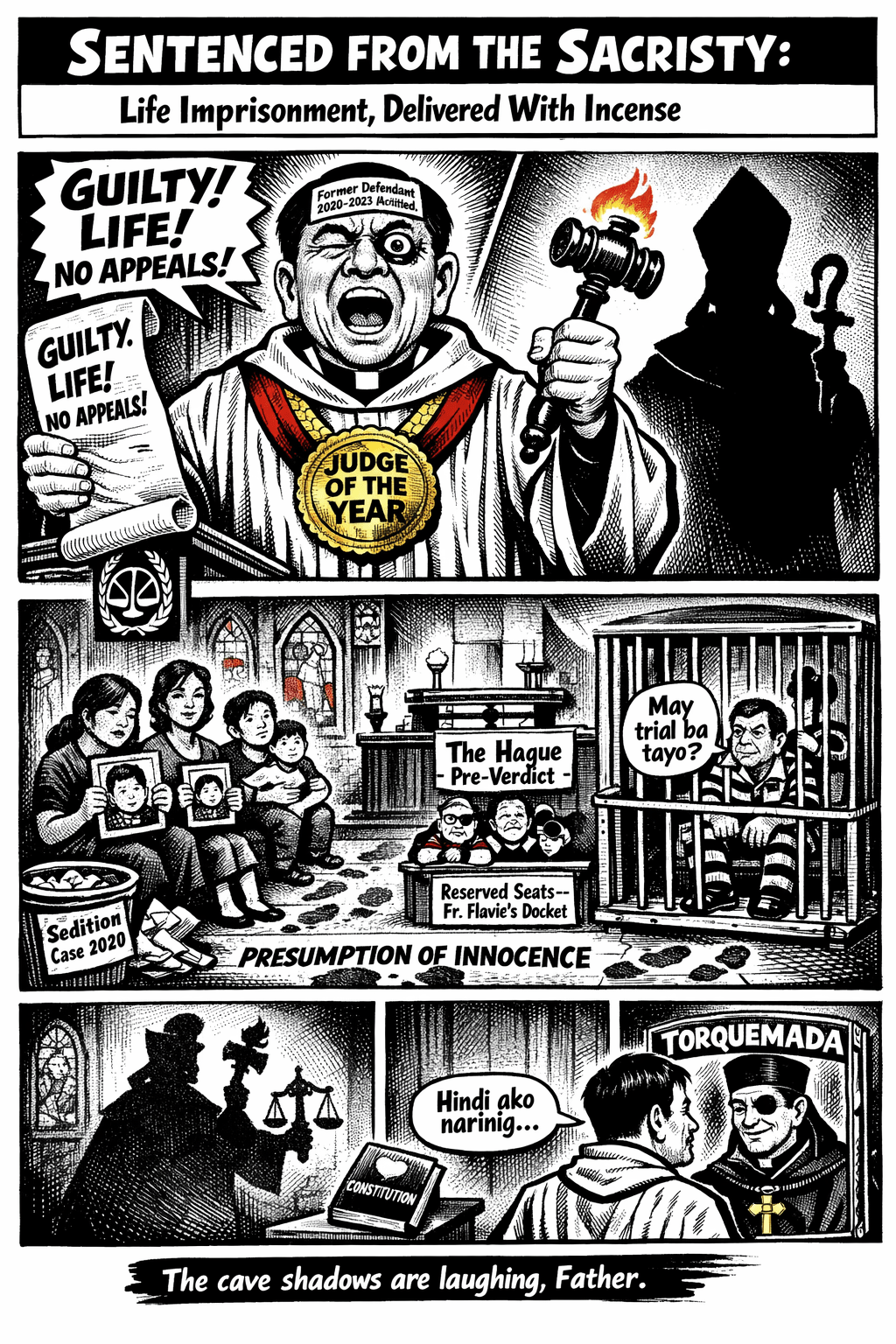
- Priest Sentences Duterte to Life – No Trial Needed

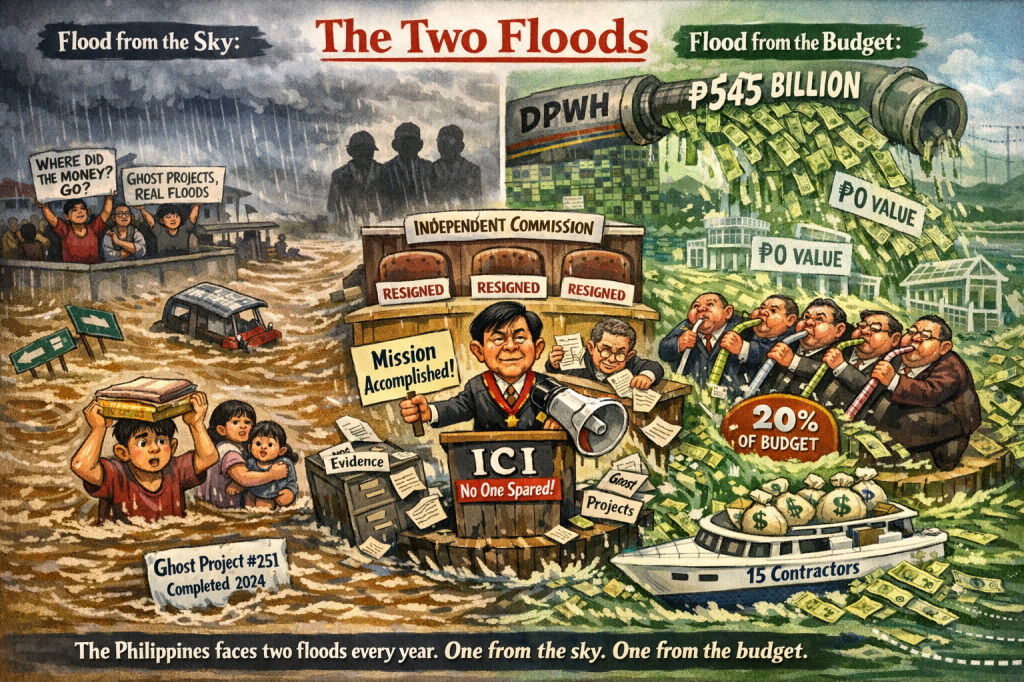
- Flood Control or Flood of Corruption? Marcos’ Infrastructure Probe Hits a Curious Pause

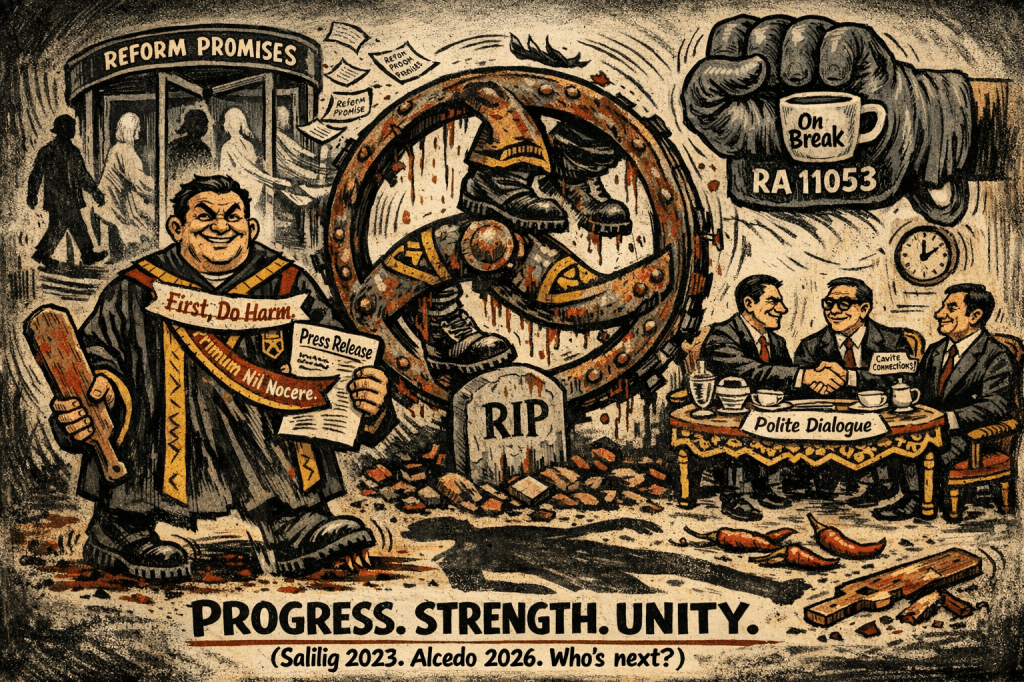
- Tau Gamma Phi: Where Brotherhood Means Beating You to Death and Blaming the Rogue Chapter

- Procurement Mafia’s Latest Hit Job: Why Herbosa Can’t Catch a Break

- Abra-Cadabra! 4.3 Million Poor Filipinos Just Vanished – Thanks, DHSUD Math




 KWEBA ni BAROK
Leave a comment