By Louis ‘Barok‘ C. Biraogo
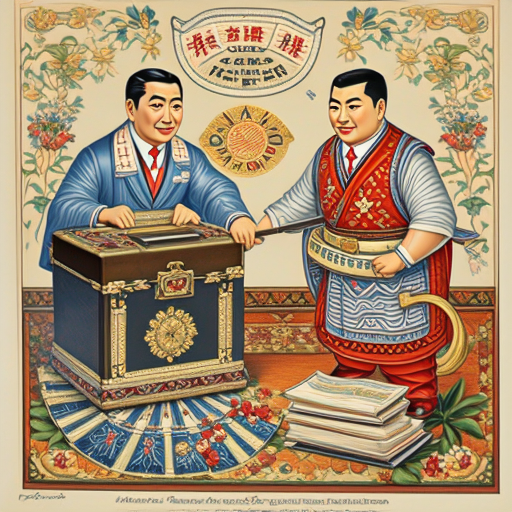
In a renewed appeal, China has urged the Philippines to ban Philippine offshore gaming operators (POGOs), citing the severe social and criminal repercussions these operations have on Chinese citizens. This request, laden with both diplomatic nuance and underlying tensions, brings to light a complex interplay of international relations, domestic law enforcement, and economic considerations.
The Chinese embassy’s statement is unequivocal: POGOs, which are illegal in China, should similarly be outlawed in the Philippines. They argue that these operations not only harm Chinese nationals, often turning them into victims of crimes such as kidnapping, human trafficking, and even murder, but also strain the bilateral relationship between the two nations. The embassy underscored the cooperative history between Chinese and Filipino law enforcement in tackling these issues, citing significant joint efforts since 2018.
On the surface, the Chinese request appears reasonable. POGOs have indeed been linked to various crimes, and the potential involvement of Chinese military personnel, whether active, retired, or rogue, adds a layer of security concerns. Philippine authorities, including the Anti-Organized Crime Commission, have discovered Chinese military uniforms in POGO hubs, raising alarms about the possible infiltration of Chinese soldiers in these operations.
Yet, the call to ban POGOs is not without its detractors. Speaker Martin Romualdez’s stance reflects a pragmatic approach: as long as POGOs adhere to Philippine laws, they should be allowed to operate. Romualdez emphasizes the importance of law enforcement and legal compliance, underscoring that those who flout the rules will face consequences. His position is anchored in the legal framework of the Philippines, which includes thorough legislative processes and stakeholder consultations before any drastic measures, such as a ban, are implemented.
Romualdez’s perspective aligns with several provisions in the Philippine legal system that support fair business practices and the rule of law. For instance, the Revised Penal Code of the Philippines provides a robust legal basis for prosecuting illegal activities associated with gambling. Moreover, the Philippine Constitution guarantees due process, ensuring that any business operations, including POGOs, are subject to the same legal scrutiny and rights as any other entity.
The economic dimension of this issue cannot be overlooked. POGOs contribute significantly to the Philippine economy, providing substantial tax revenue and employment opportunities. Banning them outright could have far-reaching economic repercussions, affecting not just the gambling sector but also related industries and the broader economic stability.
However, the specter of crime and the potential for international friction pose substantial risks. The Philippines must weigh the economic benefits of POGOs against the social costs and security threats they entail. While Romualdez’s position is rooted in legal and economic pragmatism, it is crucial to address the legitimate concerns raised by China and Filipino law enforcement agencies.
In navigating this contentious issue, diplomacy and amity must be the guiding principles. The Philippines and China share a complex relationship, marked by both cooperation and conflict. Constructive dialogue and continued joint efforts in law enforcement can help mitigate the negative impacts of POGOs while preserving the economic benefits.
Ultimately, a balanced approach is essential. The Philippines should consider stringent regulatory measures to ensure POGOs operate within the bounds of the law while actively engaging with China to address their concerns. Diplomatic channels should be leveraged to foster mutual understanding and cooperation, aiming to protect the interests of both nations and their citizens.
In conclusion, the issue of POGOs in the Philippines is a microcosm of the broader challenges in international relations and domestic governance. By emphasizing the rule of law, economic pragmatism, and diplomatic engagement, the Philippines can navigate this complex landscape, ensuring that national interests are safeguarded while maintaining harmonious relations with China. The stakes are high, but with careful deliberation and cooperation, a resolution that benefits all parties is within reach.

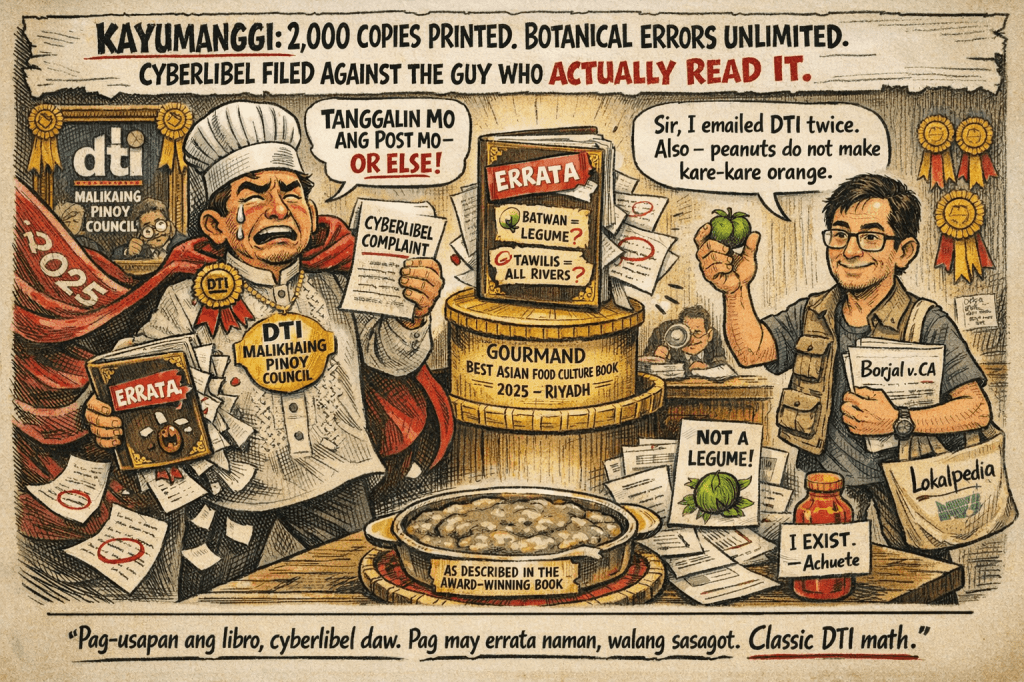
- DTI’s Award-Winning Book Is a Hot Mess—Now They’re Suing the Guy Who Read It
- “Everything’s Normal” — Except the Prices Killing Filipino Families

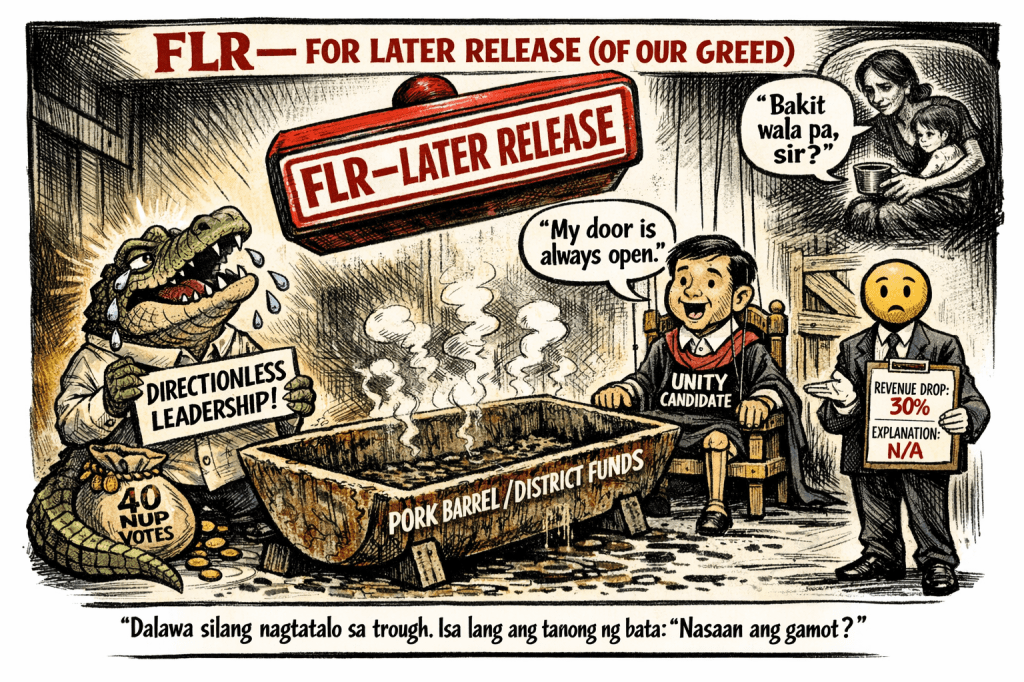
- FLR: For Later Riches? Puno & Dy Fight Over the Empty Pork Barrel

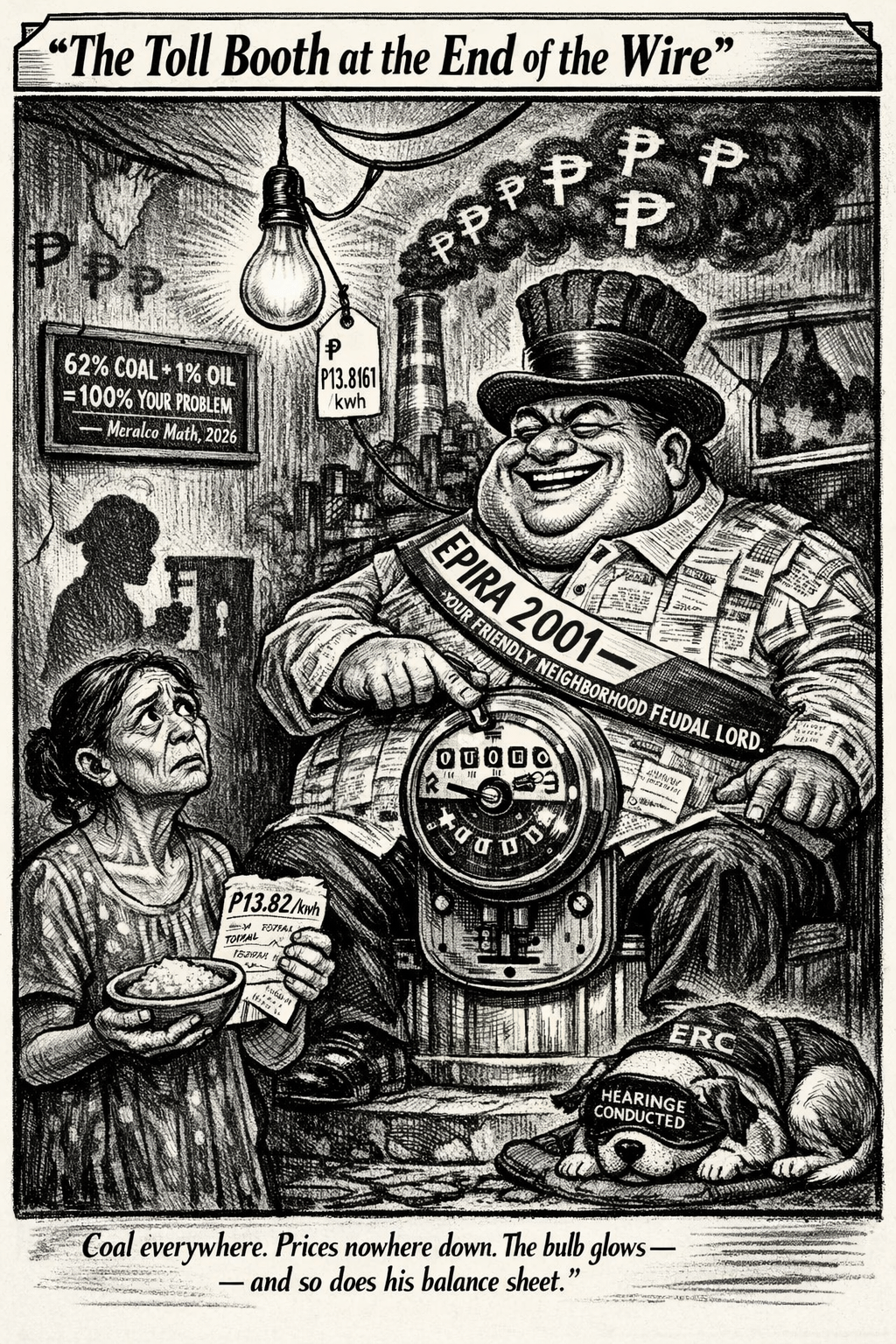
- Meralco Math: 62% Coal + 1% Oil = 100% of Your Suffering

- Pulse Asia Drops Bomb: Bongbong Bounces, Sara Bleeds, 2028 Already Bloody



 KWEBA ni BAROK
Leave a comment