
By Louis ‘Barok‘ C. Biraogo
In a time of global economic uncertainty, the Philippines is poised to take a bold step forward with a proposed P6.2 trillion national budget for 2025. Speaker Martin Romualdez, a key figure in this initiative, has underscored the budget as the most crucial piece of legislation that Congress passes each year. As the nation prepares to debate this significant financial plan, it is essential to understand the potential benefits and address any concerns head-on.
The Budget: A Catalyst for Economic Growth
The sheer scale of the P6.2 trillion budget is itself a testament to the government’s commitment to driving economic growth. This budget is not merely a collection of numbers; it represents a strategic investment in the future of the Philippines. By channeling funds into critical sectors such as infrastructure, education, healthcare, and social welfare, the government aims to create a robust foundation for sustainable development.
1. Infrastructure Development: One of the most impactful components of the budget is the allocation for infrastructure projects. Improved roads, bridges, and transportation systems can significantly boost economic activity by facilitating trade and commerce. For instance, Japan’s post-war economic miracle was largely driven by substantial infrastructure investments, which catalyzed industrial growth and improved living standards.
2. Education and Healthcare: Investing in education and healthcare is crucial for developing human capital. Countries like South Korea and Finland have demonstrated that prioritizing education leads to a highly skilled workforce, driving innovation and economic competitiveness. Similarly, robust healthcare systems ensure a healthy population capable of contributing productively to the economy.
3. Social Welfare Programs: Programs like Tulong Panghanapbuhay para sa ating Disadvantaged at Displaced Workers (TUPAD) provide essential support to vulnerable populations, ensuring social stability. By extending financial aid and assistance, the government helps mitigate the impacts of economic disruptions, fostering resilience and inclusive growth.
Addressing Opposition Concerns
Skeptics may argue that such a large budget could lead to fiscal deficits and increased debt. However, it is crucial to consider the long-term benefits and strategic nature of these investments. The government can manage potential fiscal risks by implementing rigorous financial oversight and prioritizing high-impact projects. Furthermore, the budget’s focus on generating economic growth can increase tax revenues and reduce the relative burden of debt over time.
Lessons from Other Nations
The experience of other countries provides valuable lessons. China’s massive infrastructure investments have propelled it to become the world’s second-largest economy. Similarly, the Nordic countries’ emphasis on social welfare and education has resulted in high living standards and strong economic performance. The Philippines can emulate these success stories by strategically deploying its budget to foster a resilient, inclusive, and prosperous economy.
Recommendations for Maximizing Impact
To ensure the budget’s success, several steps are recommended:
1. Transparent Allocation and Monitoring: Establish transparent processes for budget allocation and rigorous monitoring mechanisms to ensure funds are used effectively and efficiently. This can help prevent corruption and ensure that resources reach their intended targets.
2. Public-Private Partnerships: Encourage collaborations between the government and the private sector to leverage additional resources and expertise. Public-private partnerships (PPPs) can enhance the quality and scope of infrastructure projects and other initiatives.
3. Focus on Sustainability: Prioritize projects that promote environmental sustainability and resilience to climate change. Investing in renewable energy, sustainable agriculture, and disaster-resistant infrastructure can secure long-term economic stability.
4. Inclusive Development: Ensure that the benefits of economic growth are equitably distributed. Targeted programs for marginalized communities, rural areas, and small businesses can help reduce inequality and foster social cohesion.
Conclusion
As the Philippines embarks on this ambitious financial journey, the P6.2 trillion budget for 2025 stands as a beacon of hope and progress. Under the leadership of Speaker Martin Romualdez, this budget has the potential to transform the nation’s economic landscape, driving growth, stability, and prosperity. By learning from global precedents and implementing strategic recommendations, the Philippines can navigate the challenges ahead and achieve a brighter, more inclusive future for all its citizens.
In these turbulent times, bold action and visionary leadership are essential. The proposed budget represents a significant step towards realizing the full potential of the Philippines, ensuring that the nation not only survives but thrives in the years to come. The path may be challenging, but the promise of a better future makes the journey worthwhile.

- “Everything’s Normal” — Except the Prices Killing Filipino Families
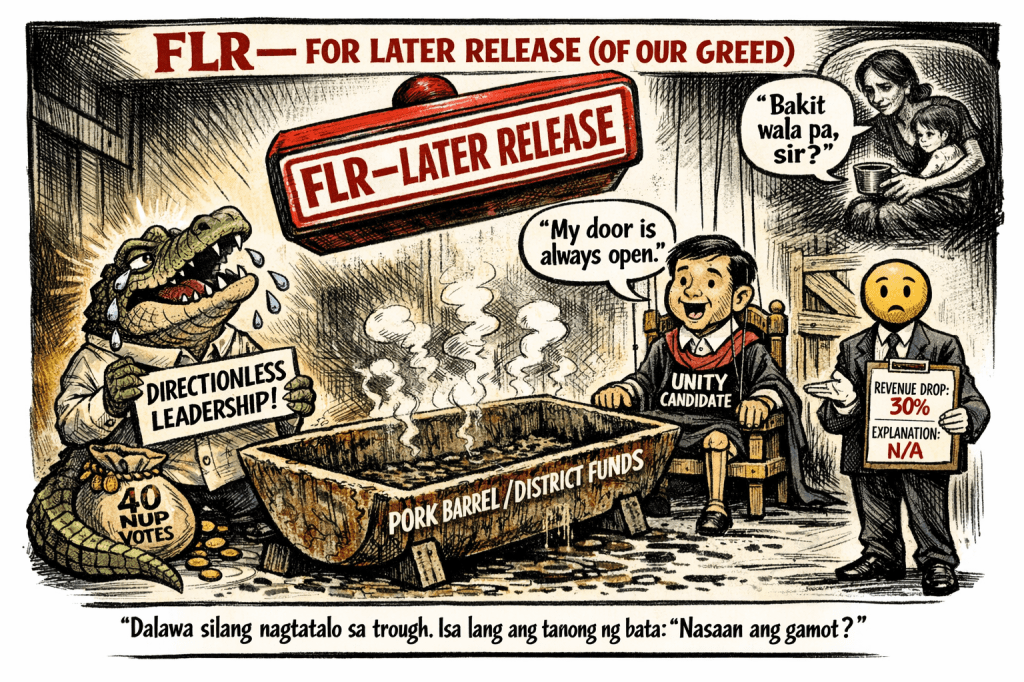
- FLR: For Later Riches? Puno & Dy Fight Over the Empty Pork Barrel

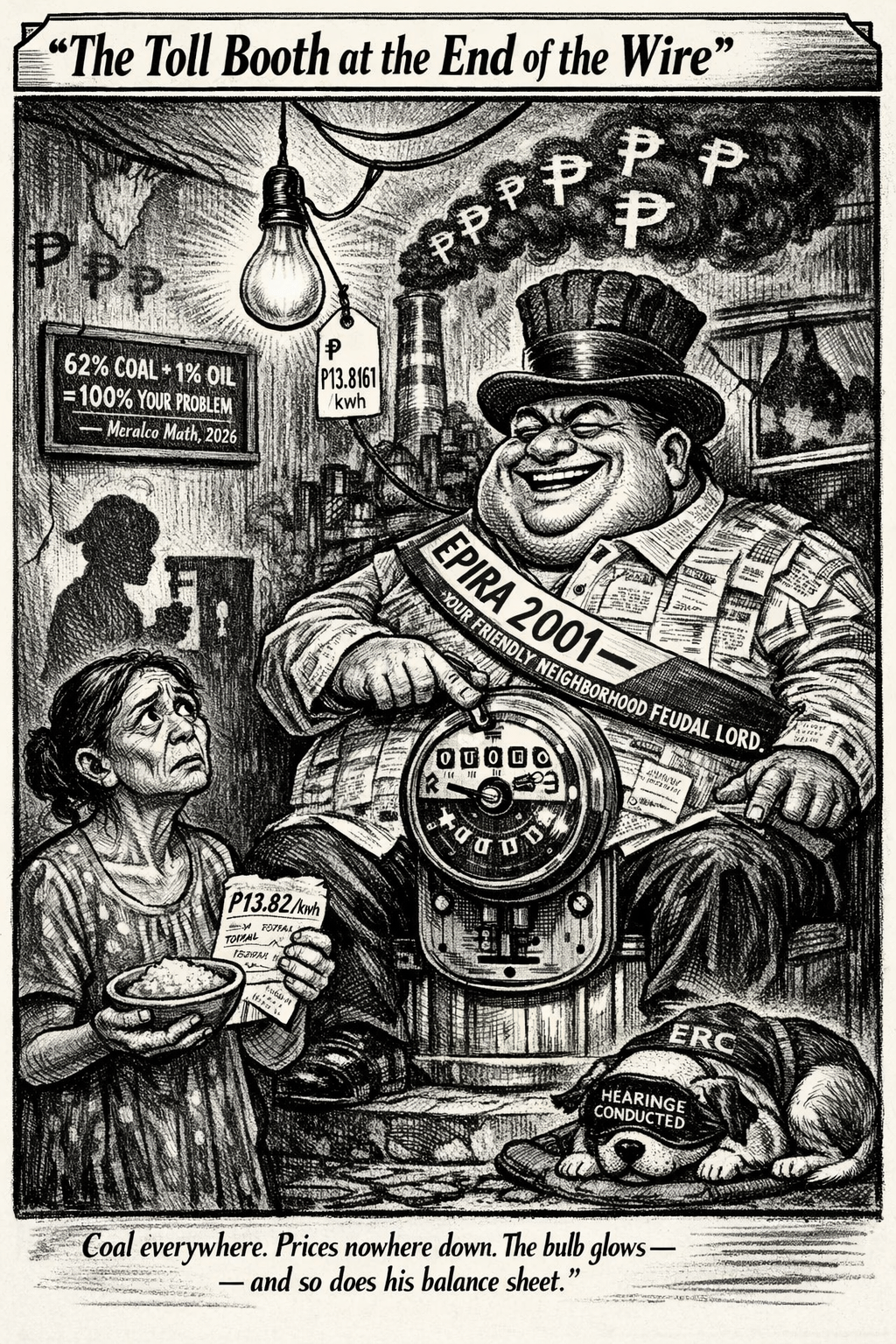
- Meralco Math: 62% Coal + 1% Oil = 100% of Your Suffering
- Pulse Asia Drops Bomb: Bongbong Bounces, Sara Bleeds, 2028 Already Bloody
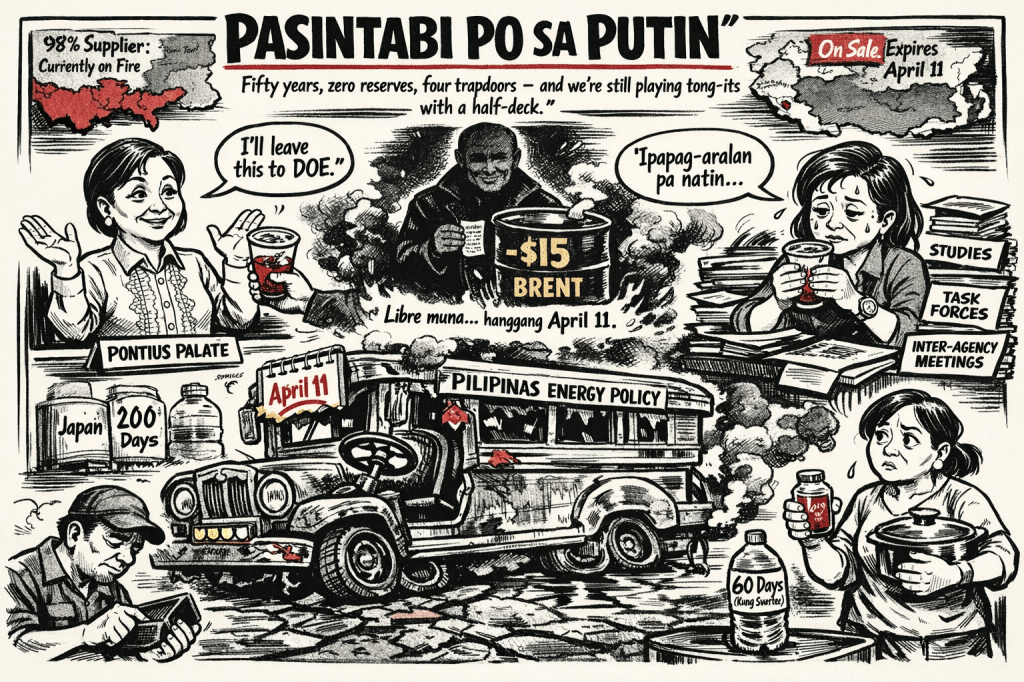
- Russian Oil or Bust: Manila Begs Putin While Our Fuel Light Blinks Red




 KWEBA ni BAROK
Leave a comment