By Louis ‘Barok‘ C. Biraogo
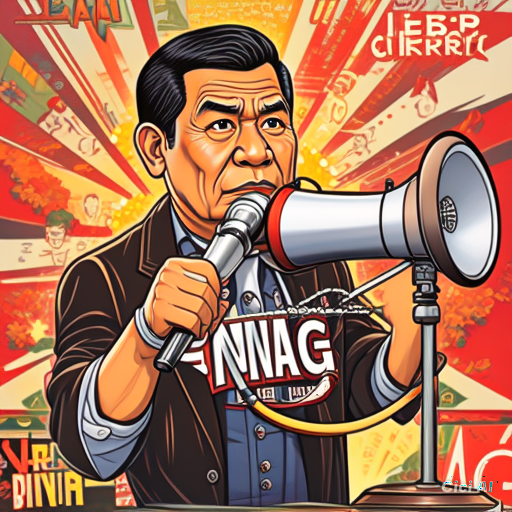
In an era where political discourse is often fraught with polarization and upheaval, former President Rodrigo Duterte’s recent statements provide a fascinating insight into the evolving landscape of Philippine politics. His remarks at the Hakbang ng Maisug prayer rally in Angeles, Pampanga, suggest a complex interplay of democratic ideals, personal convictions, and strategic maneuvering.
Duterte’s message, articulated in a recorded address, is notable for its measured tone and its emphasis on reform rather than rebellion. “We are not subversive that wants to topple the government and remove (President Ferdinand) Marcos. We just want reform,” Duterte declared. This assertion is a significant affirmation of his democratic principles, signaling a commitment to constitutional processes and the rule of law.
Democratic Ideals in Focus
Duterte’s statements underscore a fundamental democratic ideal: the right to be heard. His call for the government to listen to the grievances of the people, regardless of their veracity, resonates with the core tenets of a participatory democracy. “Just the right to be heard. That is what’s important in the Constitution. Period,” he emphasized. This plea for dialogue and understanding is a reminder of the importance of civic engagement and the role of dissent in a healthy democracy.
The former president’s assurances that he is not angry with the government or President Marcos, coupled with his clarification that his group is not subversive, reflect a nuanced understanding of political dynamics. By positioning his movement as one seeking reform within the existing framework, rather than a radical overhaul, Duterte is advocating for constructive criticism and incremental change. This approach not only mitigates the risk of conflict but also enhances the legitimacy of the grievances being voiced.
Beyond Politics: Social and Economic Implications
The implications of Duterte’s statements extend beyond the realm of politics. His emphasis on being heard highlights a critical social dimension: the need for government responsiveness to public concerns. This call for attentive governance is particularly pertinent in addressing issues such as poverty, inequality, and social justice. By advocating for a listening government, Duterte is indirectly championing policies that could lead to more equitable and inclusive development.
Economically, Duterte’s retirement and his admission of financial constraints inject a personal element into the narrative. His candid revelation, “I am retired, my money I just keep. I am in retirement, that is my source of sustenance,” humanizes him and may resonate with many Filipinos facing economic hardships. This acknowledgment of financial limitations also subtly critiques the socioeconomic disparities that persist in the country.
Political Objectives and Speculations
While Duterte’s statements are grounded in democratic ideals, they also invite speculation about his political objectives. By framing his movement as non-subversive and focused on reform, Duterte is likely aiming to maintain his influence and relevance in the political arena. This positioning allows him to navigate the political landscape without directly confronting the current administration, thereby avoiding potential backlash.
Furthermore, Duterte’s call for the government to listen to the people could be a strategic move to rally support from those disillusioned with the status quo. This maneuver could consolidate his base and potentially lay the groundwork for future political endeavors, whether by himself or through proxies. It is a shrewd tactic that keeps his options open while promoting a narrative of responsible opposition.
Impact on the Mid-Term Elections
As the Philippines approaches the mid-term elections, Duterte’s statements are likely to have a significant impact. His reaffirmation of democratic values and his appeal for reform can galvanize voters who are frustrated with the current administration but wary of radical change. This positioning could attract a broad coalition of supporters, ranging from moderates seeking gradual reform to more progressive elements advocating for substantial changes.
Duterte’s influence on the electorate, particularly in Mindanao, where he remains a popular figure, could shape the outcomes of the elections. Candidates aligning with his call for reform and responsiveness may find their platforms resonating with voters, thereby altering the political landscape. Conversely, his statements could also prompt the current administration to adopt more conciliatory and responsive policies, in a bid to preempt any potential electoral backlash.
In Conclusion: A Delicate Dance of Democracy
Rodrigo Duterte’s recent pronouncements at the Hakbang ng Maisug rally reflect a delicate dance of democracy, balancing critique and cooperation, reform and stability. His emphasis on the right to be heard and the need for government responsiveness underscores the enduring relevance of democratic ideals in the Philippines. As the political chessboard is set for the mid-term elections, Duterte’s influence and the broader implications of his call for reform will be closely watched, promising a suspenseful and potentially transformative period in Philippine politics.





 KWEBA ni BAROK
Leave a comment