By Louis ‘Barok‘ C. Biraogo
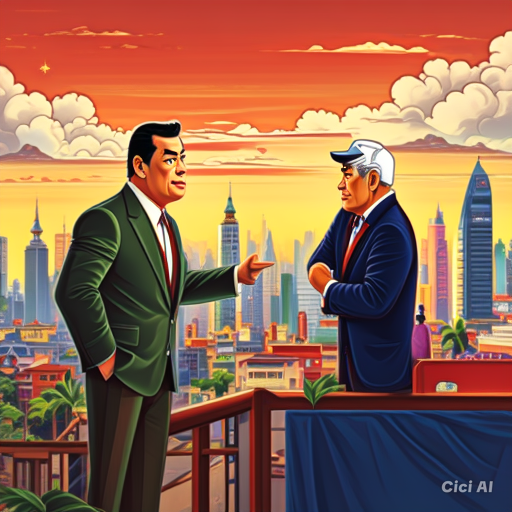
In a dramatic turn of events that has sent ripples through the political landscape of Davao City, Mayor Sebastian “Baste” Duterte has publicly challenged Senator Christopher “Bong” Go to break his silence on the swirling controversies plaguing the city. This call out, delivered at the Hakbang ng Maisug rally, has laid bare a festering rift and thrust the political fortunes of both men into an uncertain whirlwind.
Mayor Duterte’s rebuke was scathing. “Bong Go, you are my friend. We Dabawenyos voted for you. If I had known that this is what you would do, we would not have voted for you,” he declared, his voice laced with disappointment. His plea for Go to “redeem himself” and to “show his love for the country more than himself” resonates with an urgency that suggests deeper fractures in their alliance.
What Lies Behind Go’s Silence?
Go’s silence, while seemingly a passive stance, is fraught with potential motives. Here are some layers to this enigmatic quietude:
1. Personal and Political Calculations: Go’s silence might be a calculated move to maintain a strategic distance, perhaps to avoid becoming a lightning rod for controversies that could tarnish his image. As a seasoned politician, he might be weighing his next move, considering the volatile nature of Davao’s political landscape and his own future ambitions.
2. Legal and Ethical Quandaries: The ongoing investigations into drug-related killings and the arrest attempt of Pastor Apollo Quiboloy could pose legal and ethical dilemmas for Go. Associating too closely with the operations might embroil him in legal troubles or damage his standing with different factions within the Duterte camp and beyond.
3. Tactical Retreat: By remaining silent, Go might be avoiding the political crossfire. His absence in the public discourse could be a tactic to sidestep the blame, especially given the sensitive nature of the issues at hand. The allegations against Quiboloy and the police operations are contentious, and Go’s silence might be a shield against potential fallout.
However, Go has finally broken his silence, asserting his dedication to public service.
“I will continue to serve because this is my mandate and what I learned from former president Duterte himself. I will always put first public service, empathy and love for others over myself,” he said. “One thing is for sure; I love my fellow Filipino – more than myself. That is why I will continuously care for our countrymen,” he added.
Duterte’s Motives: What Drives This Public Call Out?
Mayor Duterte’s public scolding of Go is laden with motives that range from personal to political:
1. Dissatisfaction with Loyalty: Duterte’s frustration is palpable. His remarks suggest a sense of betrayal, as if Go’s silence is a sign of wavering loyalty. This could be a call for Go to reaffirm his allegiance and show solidarity with the Dabawenyos, especially in times of crisis.
2. Building Political Capital: By calling out Go, Duterte may be trying to consolidate his support base. Highlighting Go’s silence could serve as a rallying cry for his supporters, positioning Duterte as the unwavering guardian of Davao’s interests. It also puts pressure on Go to either align with Duterte’s stance or risk alienation from the Duterte loyalists.
3. Public Posturing for Future Elections: With the political climate as volatile as ever, Duterte might be positioning himself to either back a new candidate or consolidate his influence within the region. By casting Go in a negative light, Duterte could be paving the way for new alliances or bolstering his own candidacy for future political endeavors.
Forecasting the Fallout: Impact on Their Relationship and Politics
The implications of this public spat are manifold:
1. Cracks in the Alliance: This confrontation is likely to strain the relationship between Duterte and Go. The public challenge could lead to a cooling of their alliance, with Go potentially distancing himself from Duterte’s controversies and Duterte pushing back against Go’s perceived disloyalty.
2. Shift in Political Dynamics: The silence and subsequent challenge could catalyze a shift in Davao’s political landscape. New power dynamics may emerge, with other political figures seizing the opportunity to either ally with Duterte or capitalize on Go’s perceived vulnerability.
3. Impact on Voter Sentiment: For the electorate, this public feud could either solidify Duterte’s hold on power or diminish his influence. Voters in Davao City might rally behind Duterte’s call for accountability, or they might grow disillusioned with the political drama, seeking alternative candidates who promise stability and transparency.
In Conclusion: A Test of Loyalty and Legacy
As the dust settles on Duterte’s bold call out, the political chessboard in Davao is poised for dramatic shifts. The outcome of this clash could redefine alliances, influence voter sentiment, and reshape the future of Davao’s political landscape. For now, the silence of Bong Go and the fiery challenge from Mayor Duterte mark a turning point, underscoring the fraught yet fascinating dynamics of power, loyalty, and political strategy in the Philippines. The nation watches, as this saga unfolds, with the promise of change or the peril of deeper divisions.





 KWEBA ni BAROK
Leave a comment