By Louis ‘Barok‘ C. Biraogo
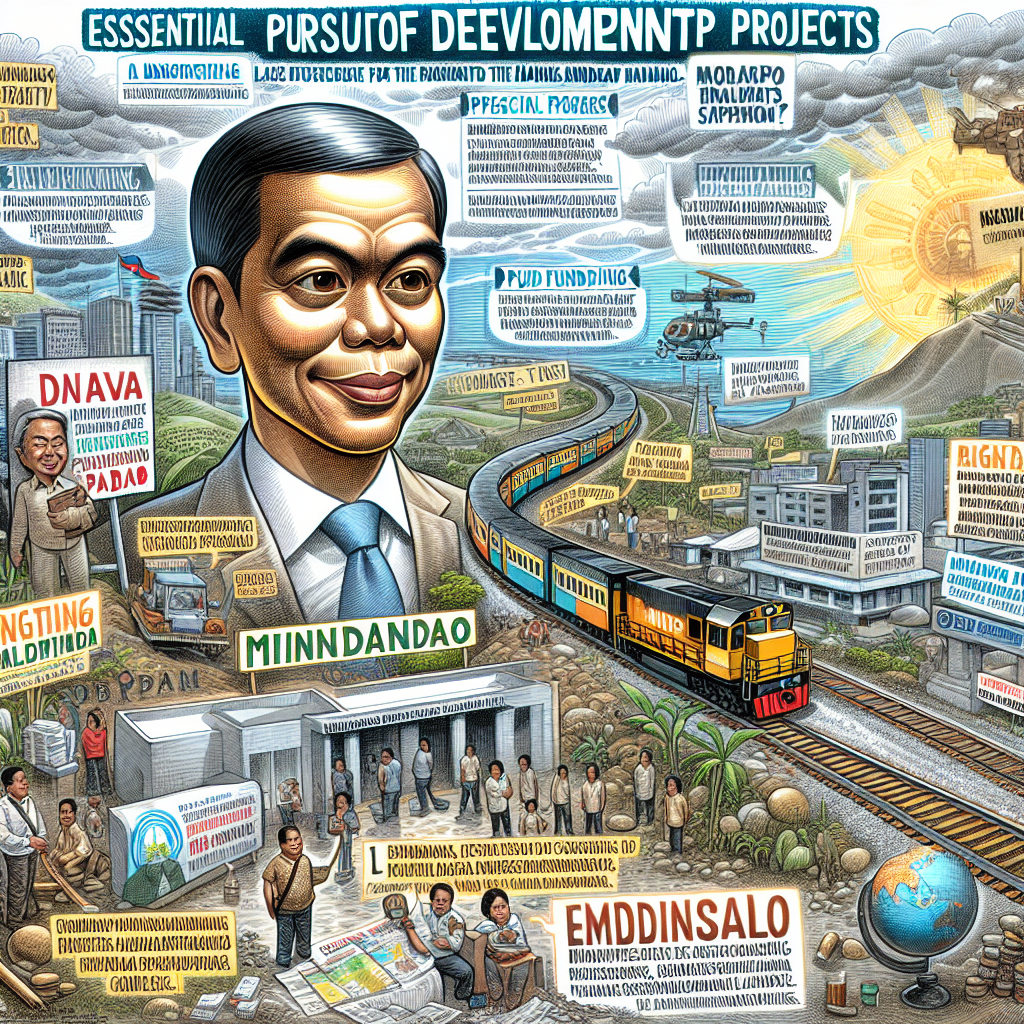
In the annals of development and progress, few regions have been as neglected as Mindanao. This southern Philippine island, rich in resources and potential, has long been starved of the infrastructure and investment needed to unlock its promise. Yet, recent announcements by Mindanao Development Authority (MinDA) Secretary Leo Tereso A. Magno offer a glimmer of hope. Despite the withdrawal of original funder China, big-ticket projects for Mindanao, including the ambitious Mindanao Railway Project (MRP), are set to push through. This is a crucial step that must be seen through, not just for the region’s development but for the entire country’s progress.
The significance of the Mindanao Railway Project cannot be overstated. With a projected cost of P81.6 billion, the first phase alone promises to transform transportation across the island. Spanning 100.2 kilometers and connecting key cities like Davao, Tagum, and Digos, the MRP is set to drastically cut travel times, reduce congestion, and spur economic activity. This project is expected to serve around 122,000 passengers daily, a testament to its potential impact on local communities.
One need only look at international precedents to understand the transformative power of such infrastructure projects. In China, the development of high-speed rail has not only modernized transportation but also stimulated regional economies, creating jobs and facilitating trade. Similarly, India’s extensive railway network has been a cornerstone of its economic development, connecting remote regions to major commercial hubs and enhancing mobility for millions.
The shift from a diesel-powered to an electric-powered train system, as recommended by the Department of Transportation (DOTr), aligns with global trends towards sustainability and efficiency. Electric trains, while requiring a higher initial investment, offer long-term benefits in terms of lower operating costs, reduced carbon emissions, and enhanced reliability. Countries like Japan and Germany have long reaped the benefits of such systems, combining cutting-edge technology with robust infrastructure to support their economic powerhouses.
For Mindanao, the push for these projects represents more than just infrastructure development—it is a commitment to equity and inclusion. For too long, the island has lagged behind Luzon and Visayas in terms of economic development and infrastructure. The MRP and other big-ticket projects promise to bridge this gap, providing the people of Mindanao with the opportunities and resources they need to thrive.
However, this ambitious vision requires unwavering commitment and robust oversight. The government must ensure that the identified alternative funding sources, such as Official Development Assistance (ODA) from foreign governments and international banks, are secured promptly. The involvement of reputable international partners can also bring in the necessary technical expertise and best practices, ensuring the projects’ success.
Senator Raffy Tulfo’s recent call for accountability in the case of the unused Dalian trains serves as a stark reminder of the importance of diligent oversight. The lessons from that fiasco should guide the execution of the MRP—transparency, accountability, and efficiency must be the watchwords. Those responsible for any lapses or misconduct must face prosecution, setting a precedent that public funds must be used judiciously and for the public good.
Moreover, it is essential that these projects translate into tangible benefits for local communities. This means not only creating jobs during the construction phase but also ensuring that the operational railway provides affordable and reliable transportation for all. Community engagement and consultation should be integral to the planning and implementation process, ensuring that the needs and voices of Mindanaoans are heard and addressed.
In conclusion, the push for big-ticket projects in Mindanao, particularly the Mindanao Railway Project, is a vital step towards regional development and national progress. The government’s renewed commitment to these projects, despite financial setbacks, is commendable. However, the journey ahead requires vigilance, transparency, and an unwavering focus on delivering real benefits to the people of Mindanao. Let this be the dawn of a new era for Mindanao, where its potential is finally realized, and its people can share in the prosperity that infrastructure development brings.









 KWEBA ni BAROK
Leave a comment