By Louis ‘Barok‘ C. Biraogo
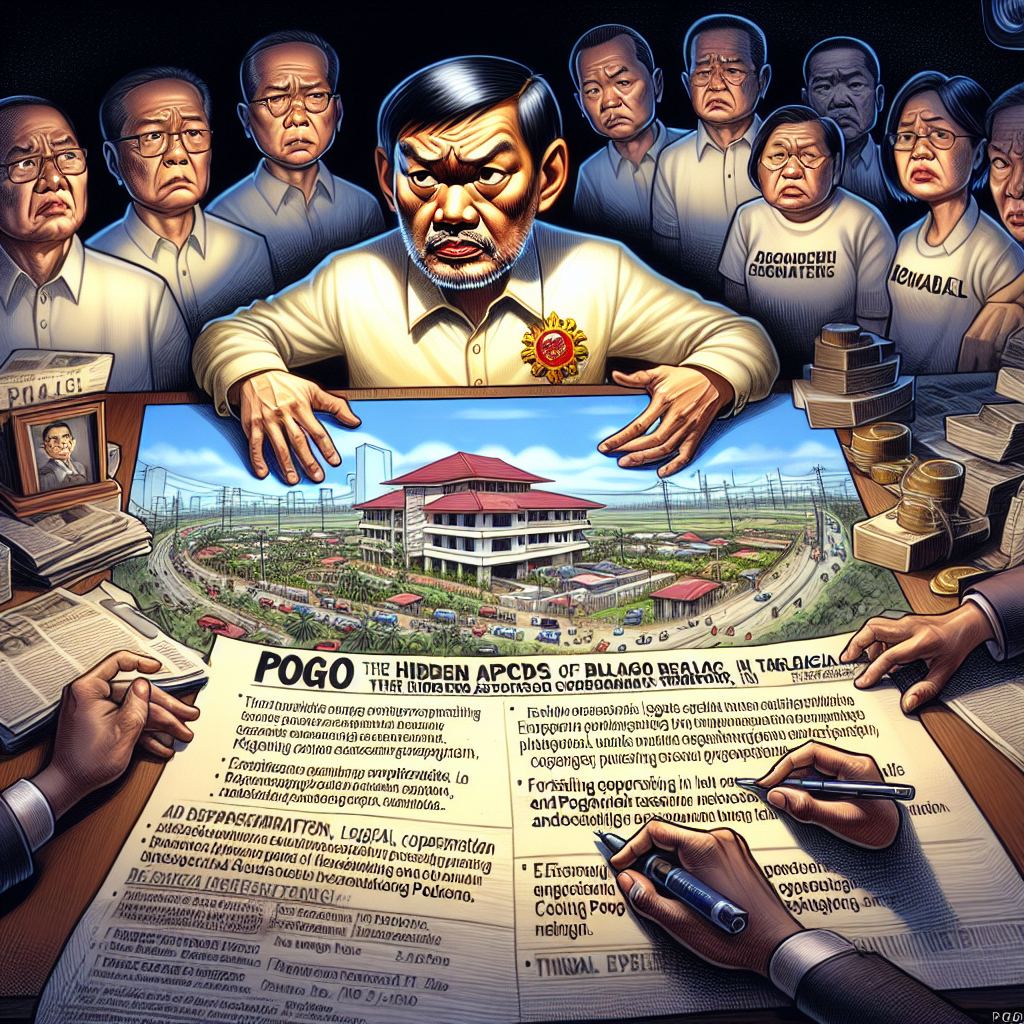
As the scandal surrounding Philippine offshore gaming operators (POGOs) unfolds, it is not just the headlines that are shocking, but the unsettling gaps in regulatory oversight that are most alarming. Tarlac Governor Susan Yap’s assertion that provincial governments are sidelined in regulating POGOs, despite their well-documented links to fraud, cybercrime, and human trafficking, demands immediate attention and action. The story of Baofu Real Estate in Bamban, Tarlac, is a grim testament to how this regulatory vacuum has allowed illegal operations to thrive under the noses of local and national authorities alike.
The Anatomy of a Scandal
Baofu Real Estate’s compound, nestled in Barangay Anupul, is no ordinary real estate hub. It is a hub of alleged criminal activity, a stone’s throw from the town hall of Bamban. Despite a 2021 provincial resolution denouncing online gambling and cybercrime, and a series of raids by various government bodies, the compound remains operational, seemingly impervious to law enforcement’s best efforts. The Philippine Amusement and Gaming Corporation (Pagcor), the supposed guardian of gaming regulations, appears to have dropped the ball, allowing these entities to operate with impunity.
Governor Yap’s frustration is palpable. She laments, “No notice, no communication. So, we are unaware,” highlighting a critical flaw in the current regulatory framework. This neglect has created a fertile ground for criminals to exploit, turning Tarlac into a fortress of illicit activities. The Provincial Board’s Resolution No. 010-2021 and the subsequent No. 206-2024 are clear: Pogos are unwelcome, and their activities are illegal. Yet, the national government’s refusal to grant local authorities the power to regulate these operators has left Tarlac—and many other provinces—powerless.
Legal and Regulatory Gaps
1. National vs. Local Jurisdiction:
The core of the issue lies in the divide between national and local regulatory powers. Yap’s argument is compelling: “They seem to be pushing the blame on the province when the national government has the jurisdiction.” This is not just a bureaucratic oversight but a fundamental flaw in the law. Under Republic Act No. 9287, the powers granted to Pagcor are extensive, but they lack the mechanisms to ensure local compliance and oversight.
2. Pagcor’s Regulatory Failings:
The assertion by Yap and others that Pagcor officials were unable to inspect Pogo facilities is troubling. This echoes the Supreme Court’s observations in People v. Enrile (G.R. No. 193610), where the Court emphasized the duty of regulatory bodies to enforce laws effectively. If Pagcor can issue permits but cannot inspect the premises, it is not merely a failure of enforcement but a breach of public trust.
3. Suspicious Connections and Governance Failures:
The links between Bamban Mayor Alice Guo and Baofu Real Estate raise serious questions of corruption and conflict of interest. Guo’s sudden divestment from Baofu, coupled with the Ombudsman’s suspension, hints at deeper malfeasance. This situation mirrors the findings in People v. De Lima (G.R. No. 221306), where the Court underscored the importance of transparency and integrity in public office.
Recommendations: A Call for Action
1. Empower Local Governments:
The exclusion of provincial governments from POGO regulation must be rectified. The national government should amend existing laws to grant provinces the authority to oversee and regulate POGOs within their jurisdictions. This is crucial for local governments to enforce anti-gambling laws effectively and curb illegal activities.
2. Strengthen Inter-Agency Collaboration:
The lack of communication between national and local agencies has exacerbated the problem. Establishing a task force that includes representatives from the NBI, PNP, Pagcor, and local governments can enhance coordination and ensure swift action against illegal POGO operations. This approach aligns with the integrated task force model highlighted in People v. De Guzman (G.R. No. 201871).
3. Increase Transparency and Accountability:
Investigations into the links between local officials and POGO operators must be thorough and transparent. The Ombudsman should widen its scope to include all individuals with possible ties to these criminal enterprises. This would not only serve justice but also restore public faith in our governance structures.
4. Implement Robust Anti-Corruption Measures:
Strengthening anti-corruption laws and creating stricter penalties for officials who facilitate or overlook illegal activities is imperative. Legislative bodies should consider bills akin to the Anti-Corruption Act of 2019 to enhance deterrence and ensure that public officials who turn a blind eye to criminal enterprises face severe consequences.
In Conclusion
The Baofu saga in Tarlac is not just a local scandal; it is a glaring symbol of what happens when regulatory frameworks are outdated and enforcement is lax. Governor Yap’s call for local control over POGOs is both just and necessary. It is time for lawmakers, regulators, and the public to unite in pushing for reforms that will finally dismantle the criminal networks exploiting our country’s gaming industry. The battle against corruption and crime is far from over, and the stakes have never been higher. Let us not allow these shadows to darken our future.







 KWEBA ni BAROK
Leave a comment