By Louis ‘Barok‘ C. Biraogo
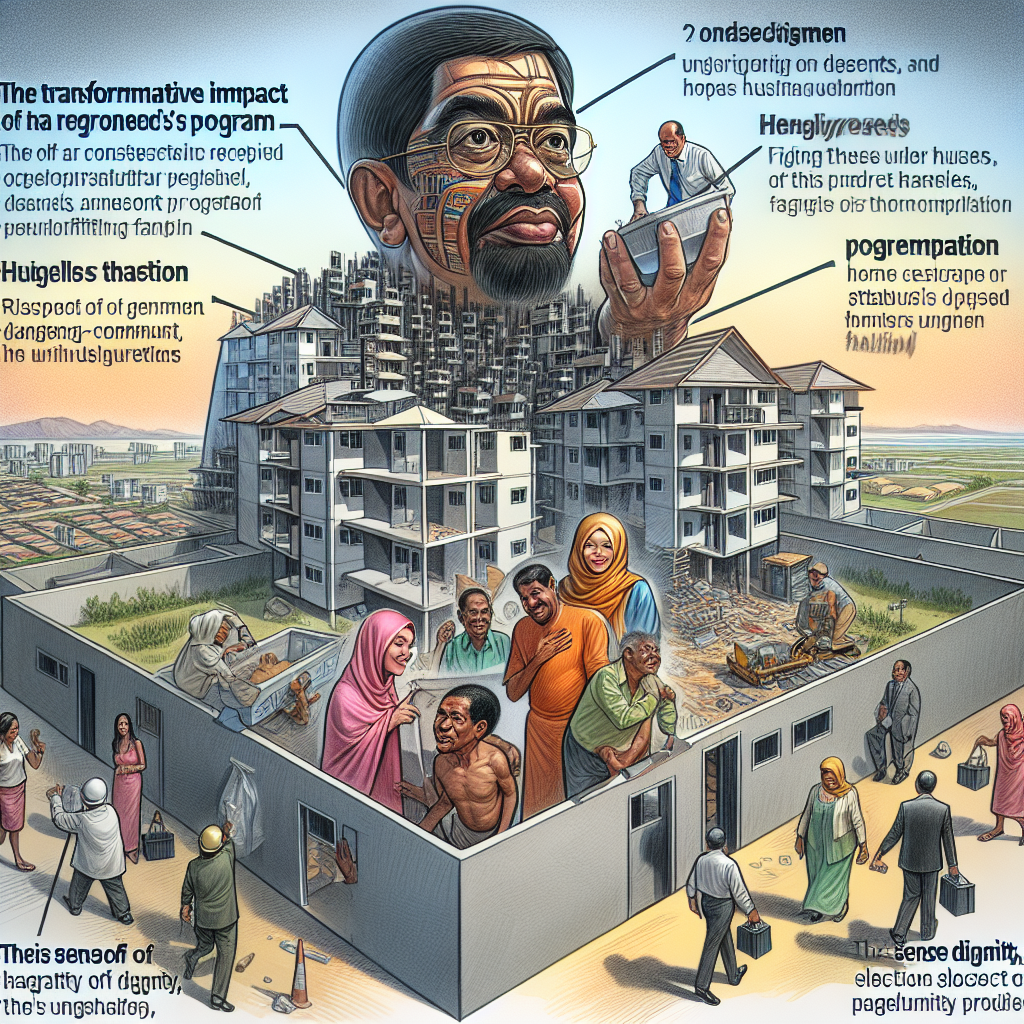
In the heart of Pangasinan, a transformative initiative has been launched, promising to change the lives of thousands. The provincial government, under the auspices of the Pambansang Pabahay para sa Pilipino Program (4PH), has embarked on an ambitious mission to construct 50,000 housing units over the next decade. This initiative, spearheaded by the Provincial Human Settlements and Urban Development Authority and led by engineer Alvin Bigay, stands as a testament to what can be achieved when vision meets commitment.
Imagine the lives that will be transformed by this initiative. The underprivileged families who currently live in precarious conditions, often in danger zones, will finally find respite. For many, the dream of owning a home has been a distant mirage, obscured by financial constraints and societal neglect. Yet, the 4PH program offers more than just brick and mortar; it offers dignity, stability, and a future.
The selection of Lingayen, Umingan, and Binmaley towns as tentative target areas is strategic. These locales not only have the space to accommodate large-scale housing projects but also the potential to flourish into vibrant communities. By subsidizing five percent of the six percent regular interest rate for housing units, the national government is ensuring that these homes remain within reach for the very people who need them most.
Homelessness and inadequate housing are more than just physical conditions; they are the embodiment of social and economic hardships. Families without homes grapple with a myriad of challenges: the constant fear of eviction, lack of access to clean water and sanitation, and the perpetual instability that makes it nearly impossible to secure employment or provide a consistent education for their children. These hardships create a cycle of poverty that is incredibly hard to break.
But with the 4PH project, there is a glimmer of hope. As the provincial government and developers move towards breaking ground, we can begin to visualize the end of this relentless struggle. The various implementation modalities—whether through joint ventures, developer-led initiatives, or third-party financing—underscore a flexible and inclusive approach to development. This adaptability is crucial in ensuring that the project meets its targets and responds effectively to the needs of the population.
The role of the local government in identifying and recommending qualified beneficiaries ensures that the most deserving families are given priority. This systematic approach not only maximizes the impact of the program but also fosters a sense of community and collective responsibility.
Yet, the journey is far from over. To truly capitalize on this monumental endeavor, continuous support and rigorous oversight are paramount. The provincial government must maintain transparency and accountability, ensuring that funds are utilized efficiently and that the construction quality meets the highest standards. Furthermore, community engagement is essential. The voices of the beneficiaries should be heard and their feedback incorporated to refine and improve the program.
In the words of engineer Alvin Bigay, the groundwork is set to begin next month. As we await the first shovels to pierce the soil, let us reflect on the magnitude of this project. The 4PH initiative is not just about providing housing; it is about restoring hope, fostering resilience, and building a future where every Filipino family can thrive.
This program has the potential to serve as a model for other provinces. By demonstrating that affordable housing can be achieved through thoughtful planning, government support, and private sector collaboration, Pangasinan can lead the way in addressing one of the most pressing issues of our time.
Let us rally behind this cause, advocate for its success, and ensure that the promise of a home for every family in need becomes a reality.



 KWEBA ni BAROK
Leave a comment