
By Louis ‘Barok’ C. Biraogo
In a country long plagued by a fragile healthcare system, a ray of hope emerges from Quezon City. The news of Councilor Alfred Vargas’s support for the Commission on Higher Education’s (CHED) masterplan to address the dire shortage of healthcare workers is a beacon in these dark times. This initiative, heralded by Vargas, signals a potentially transformative shift in the Philippines’ approach to healthcare.
Vargas is not new to championing critical causes. As the principal author of the Doktor Para sa Bayan Act, which establishes medical scholarships for deserving students, he has consistently demonstrated his commitment to enhancing the nation’s healthcare infrastructure. His latest endorsement of CHED’s masterplan underscores the need for a comprehensive, whole-of-government strategy to tackle the pressing issue of healthcare worker scarcity.
“COVID-19 has exposed many weaknesses in our healthcare system and, unfortunately, it has shown how many sectors have failed our pandemic’s unsung heroes,” Vargas poignantly remarked. Indeed, the pandemic has laid bare the vulnerabilities in the Philippine healthcare system, revealing the urgent necessity for systemic reform and increased support for healthcare professionals.
The CHED masterplan is a substantial stride towards bridging the gap in the healthcare workforce. By aligning with the industry’s diverse demands, this plan addresses the multifaceted nature of healthcare, ensuring that various professional roles are adequately filled. This foresight is crucial in building a resilient healthcare system capable of withstanding future crises.
According to the Department of Health (DOH), the Philippines needs approximately 190,000 additional healthcare workers to meet its current demands. This staggering figure highlights the enormity of the challenge ahead. However, with dedicated leaders like Health Secretary Ted Herbosa at the helm, there is a renewed sense of optimism. Herbosa’s unwavering resolve and his advocacy for primary care focused on disease prevention are commendable and essential for long-term health improvements.
To build on these initiatives, the government must ensure that these plans are not just theoretical but are effectively implemented. This involves robust funding, streamlined processes for medical education, and incentivizing healthcare professionals to serve in the country. Additionally, there should be a concerted effort to improve working conditions and provide adequate support for healthcare workers, recognizing their critical role in society.
As we navigate the aftermath of the pandemic, the importance of a strong and well-supported healthcare system cannot be overstated. The combined efforts of Vargas and Herbosa, alongside the CHED masterplan, represent a pivotal opportunity for the Philippines to revamp its healthcare sector. By fostering a culture of care and prioritizing the health of its citizens, the nation can hope to emerge stronger and more resilient.
In the end, this is not just about addressing a workforce shortage. It is about honoring the commitment and sacrifices of our healthcare professionals and ensuring that they are equipped and supported to protect the health of the nation. The road ahead is challenging, but with leaders like Vargas and Herbosa steering the course, there is every reason to believe in a brighter, healthier future for the Philippines.

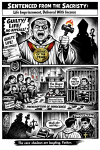
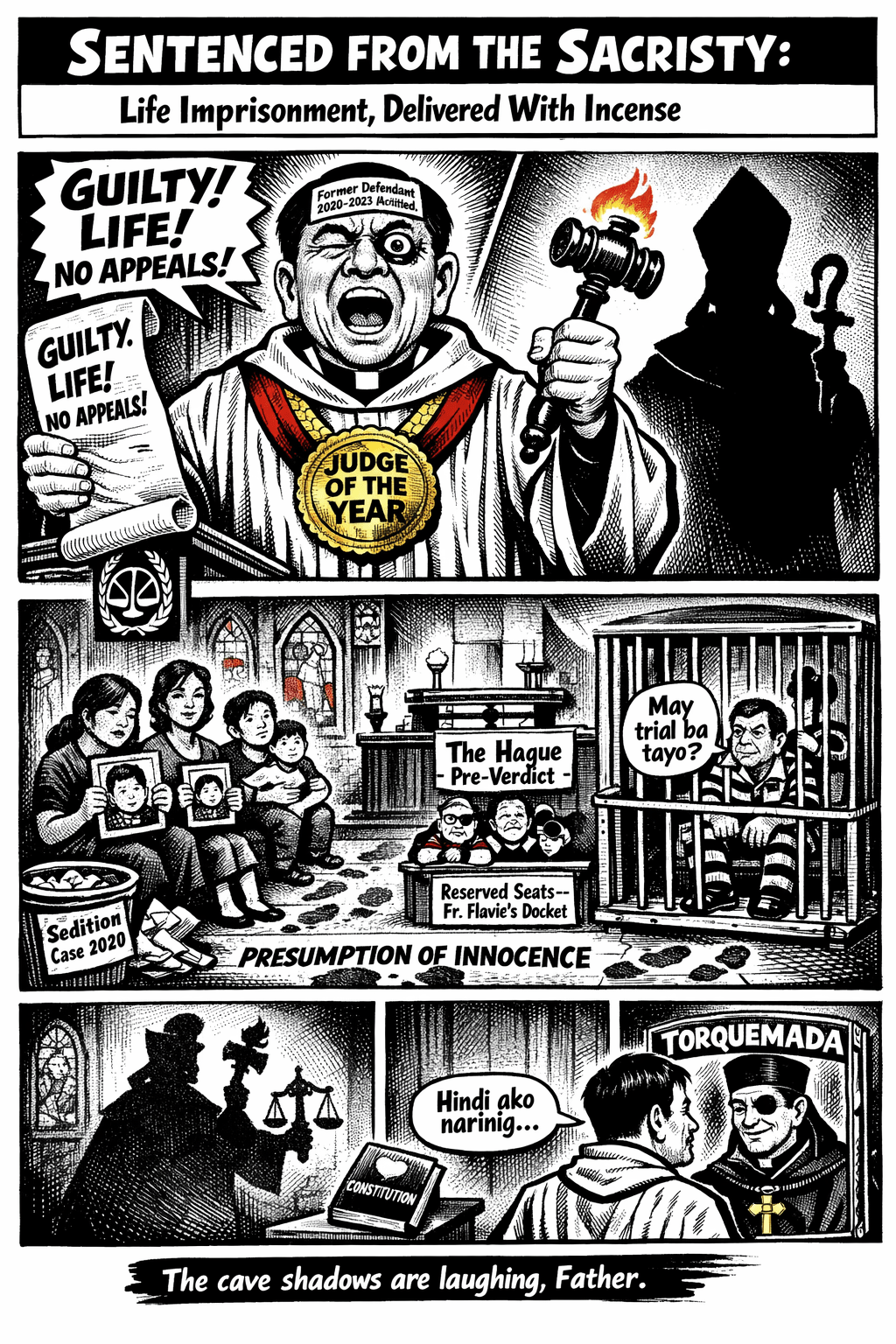
- Priest Sentences Duterte to Life – No Trial Needed
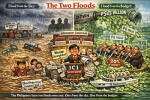
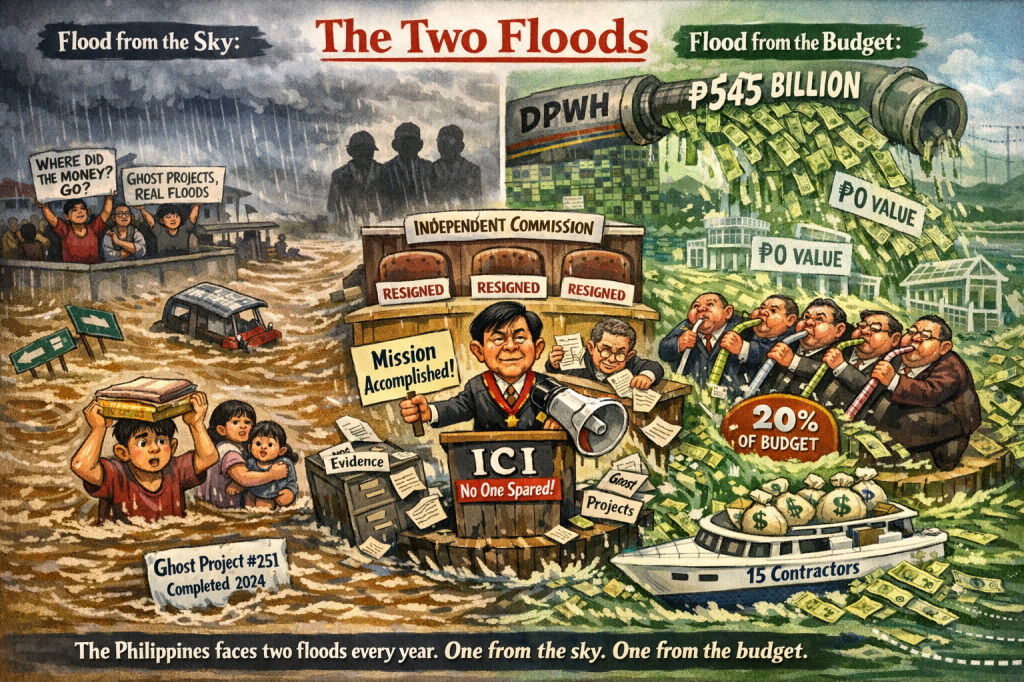
- Flood Control or Flood of Corruption? Marcos’ Infrastructure Probe Hits a Curious Pause
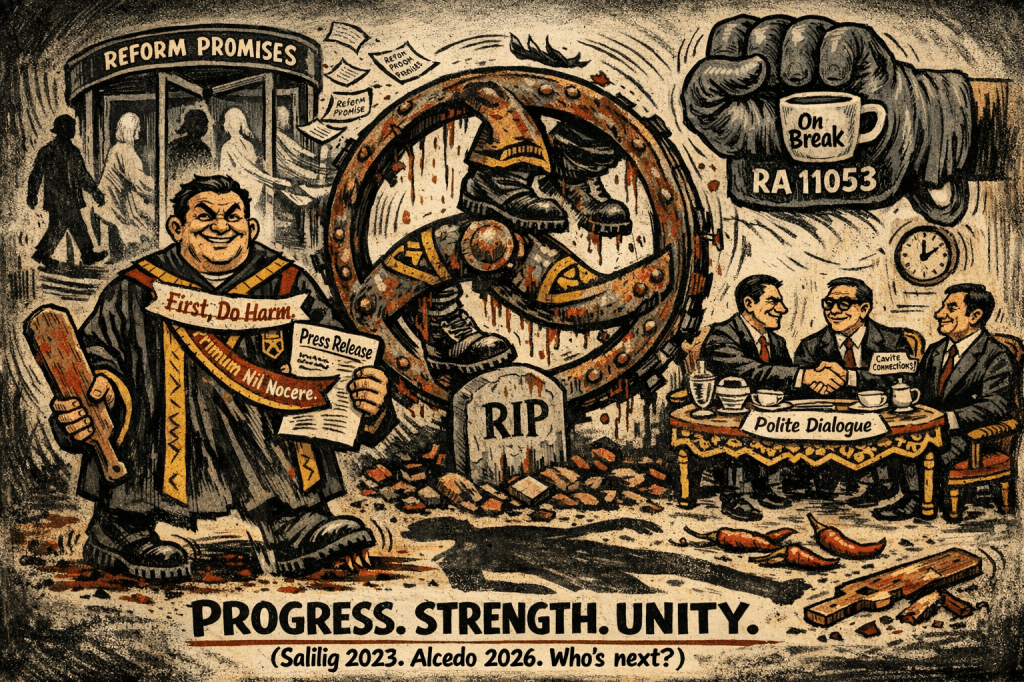
- Tau Gamma Phi: Where Brotherhood Means Beating You to Death and Blaming the Rogue Chapter
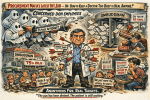
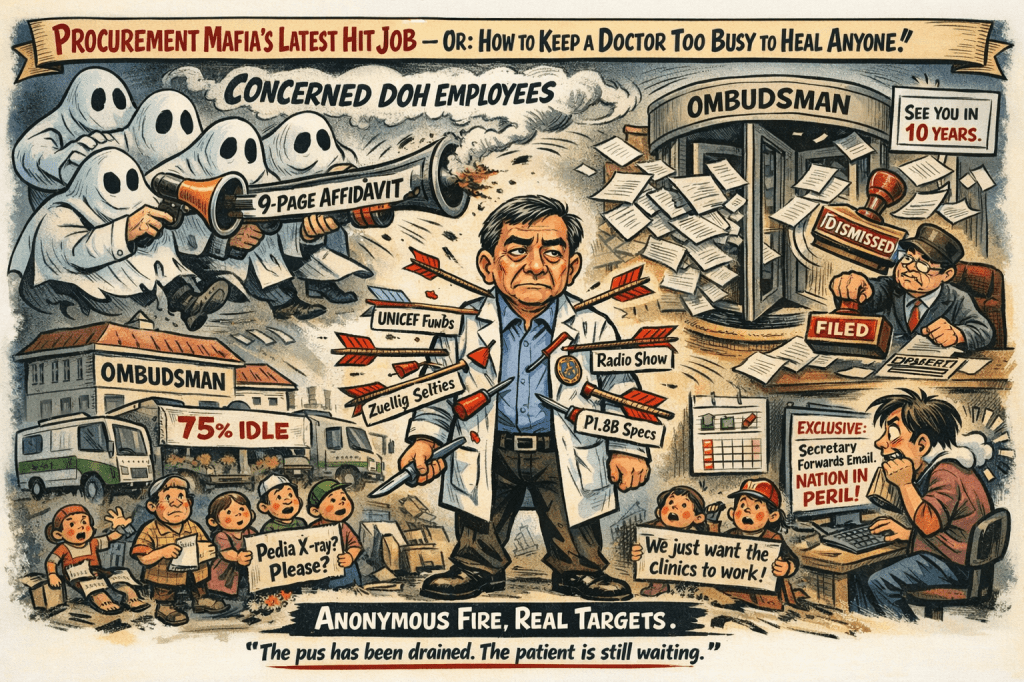
- Procurement Mafia’s Latest Hit Job: Why Herbosa Can’t Catch a Break
- Abra-Cadabra! 4.3 Million Poor Filipinos Just Vanished – Thanks, DHSUD Math



 KWEBA ni BAROK
Leave a comment