By Louis ‘Barok‘ C. Biraogo
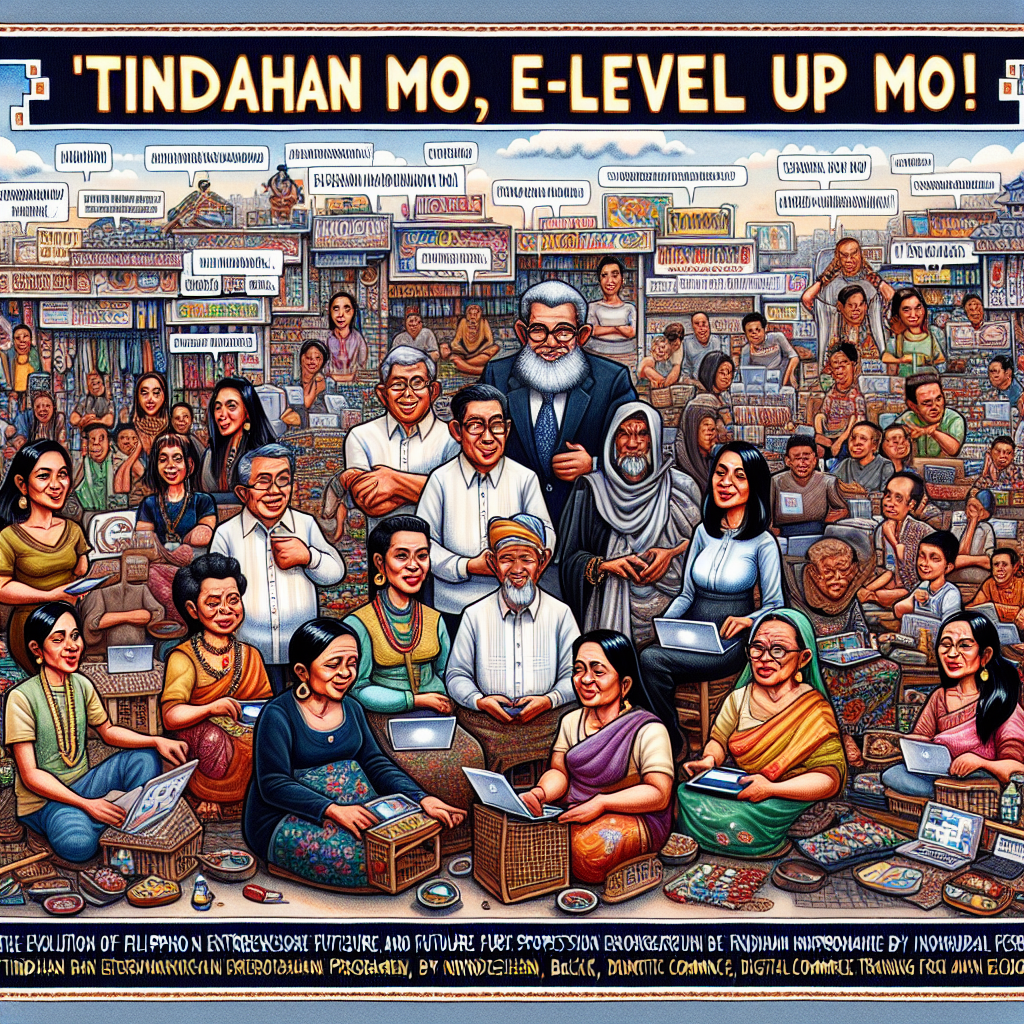
In the heart of Makati City, a quiet revolution is brewing, one that promises to transform the very fabric of Filipino society. The Department of Trade and Industry (DTI), under the visionary leadership of Secretary Fred Pascual, has embarked on a daring initiative: the “Tindahan Mo, e-Level Up Mo!” program. On the surface, it may seem like a modest effort to modernize sari-sari stores, but dig deeper, and you find a movement poised to redefine the economic landscape of the Philippines.
Picture this: a group of sari-sari store owners from Ipil, Zamboanga Sibugay, eyes wide with anticipation, absorbing the intricacies of digital commerce. They are the vanguard of a digital revolution that could elevate millions out of poverty. “This first module is a step closer to our goal of empowering MSMEs,” declared Pascual. His words echo the promise of inclusive growth and sustainable prosperity.
The stakes are high. With over 1.3 million sari-sari stores scattered across the archipelago, these micro-enterprises are the lifeblood of Filipino communities. They are the unsung heroes, sustaining families, and weaving the social fabric of the nation. The DTI’s initiative isn’t just about teaching them to use e-wallets or set up cashless payment systems; it’s about arming them with the tools to thrive in the digital age.
Imagine a sari-sari store owner in Albay, participating in a live-selling session, or a small entrepreneur in Nueva Vizcaya, exploring digital strategies to enhance their business. The potential is staggering. Digitalization can streamline operations, expand customer reach, and optimize product offerings, ultimately boosting the efficiency and competitiveness of these micro-businesses. This isn’t just theoretical. Across the globe, countries have witnessed the transformative power of digitalization. In India, for instance, the Digital India campaign has brought millions into the economic mainstream, fostering innovation and driving growth.
The Philippines stands on the cusp of a similar transformation. The “Tindahan Mo, e-Level Up Mo!” program is structured around four modules, each targeting a critical aspect of digital business. From online marketing to financial management, the curriculum is designed to equip sari-sari store owners with practical skills and knowledge. By October, these entrepreneurs will have a toolkit to navigate the complexities of modern commerce.
The benefits are manifold. For the sari-sari store owners, it means better margins, more efficient operations, and a broader customer base. For the consumers, it translates to enhanced service, greater convenience, and more options. For the nation, it promises a robust MSME sector, driving economic growth and creating jobs.
But the road ahead is fraught with challenges. Digital literacy, access to technology, and resistance to change are significant hurdles. The DTI’s initiative must go beyond training; it must foster a culture of innovation and resilience. The government, private sector, and civil society must come together to support this transformation.
Filipinos have always been resilient and resourceful. This initiative calls upon that spirit of entrepreneurship and adaptability. Secretary Pascual’s vision of a “Bagong Pilipinas” hinges on the success of its MSMEs. The time to act is now. The sari-sari stores of today could be the digital powerhouses of tomorrow.
As the DTI urges, let us rally behind this initiative. Let every Filipino entrepreneur seize this opportunity to elevate their business and, in turn, elevate the nation. The promise of a prosperous, inclusive future is within our grasp. The suspense lies in whether we can rise to the challenge and make this vision a reality.

- “Forthwith” to Farce: How the Senate is Killing Impeachment—And Why Enrile’s Right (Even If You Can’t Trust Him)

- “HINDI AKO NAG-RESIGN!”

- “I’m calling you from my new Globe SIM. Send load!”

- “Mahiya Naman Kayo!” Marcos’ Anti-Corruption Vow Faces a Flood of Doubt

- “Meow, I’m calling you from my new Globe SIM!”

- “No Special Jail for Crooks!” Boying Remulla Slams VIP Perks for Flood Scammers

- “PLUNDER IS OVERRATED”? TRY AGAIN — IT’S A CALCULATED KILL SHOT

- “Several Lifetimes,” Said Fajardo — Translation: “I’m Not Spending Even One More Day on This Circus”








 KWEBA ni BAROK
Leave a comment