By Louis ‘Barok‘ C. Biraogo
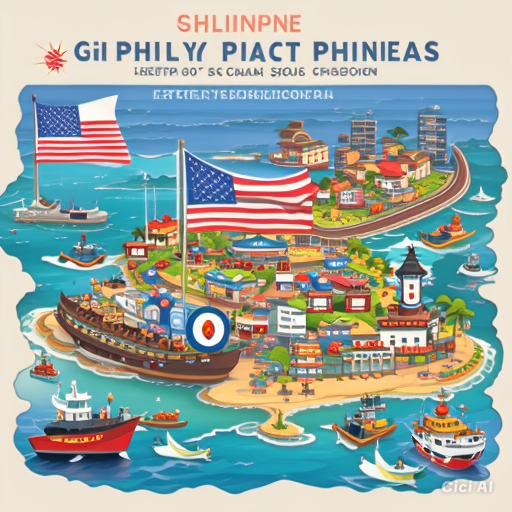
China is once again pushing the envelope in its territorial dispute with the Philippines, probing the boundaries of a crucial U.S.-Philippines defense pact. In a series of recent confrontations in the contested waters of the South China Sea, Beijing has employed “gray zone tactics,” actions designed to assert dominance without triggering an armed conflict. These maneuvers skirt the line of the Mutual Defense Treaty (MDT) between the U.S. and the Philippines, raising critical questions about the efficacy and future of American deterrence in the region.
Historical and Current Context of the Philippines-China Territorial Dispute
The Philippines-China territorial dispute, centered around the South China Sea, is a complex and longstanding issue. It encompasses various reefs, shoals, and islets, including the Second Thomas Shoal, where recent clashes have occurred. China’s expansive claims, marked by the “nine-dash line,” have been consistently contested by the Philippines and other Southeast Asian nations. Despite a 2016 ruling by the Permanent Court of Arbitration in favor of the Philippines, China has continued to assert its claims aggressively.
Strengths and Weaknesses of the Mutual Defense Treaty
The U.S.-Philippines Mutual Defense Treaty, signed in 1951, was intended to provide a security umbrella over the Philippines. However, the recent incidents highlight several weaknesses:
1. Vagueness in Commitments: The treaty’s language regarding what constitutes an “armed attack” is ambiguous, allowing China to exploit these gaps with its non-lethal, coercive tactics.
2. Geopolitical Calculations: The U.S. faces the dilemma of wanting to support its ally without escalating tensions into a full-blown conflict with China, a nuclear-armed power.
Despite these weaknesses, the MDT has strengths that cannot be overlooked:
1. Deterrence: The potential for U.S. military involvement acts as a significant deterrent against outright military aggression by China.
2. Strategic Alliances: The treaty reinforces U.S. strategic interests in the Asia-Pacific, bolstering alliances and presence in the region.
Challenges of the Mutual Defense Treaty
1. Ambiguity in Scope: The definition of an “armed attack” remains unclear, allowing China to employ tactics that do not trigger the treaty.
2. Political Will: The U.S. must balance its commitment to the treaty with the risk of escalating into a broader conflict with China.
3. Philippine Reliance: Over-reliance on the U.S. may undermine the Philippines’ own defense initiatives and sovereignty.
Recommendations Moving Forward
1. Clarify the Treaty: The U.S. and the Philippines should work to clarify the terms of the MDT to include “gray zone” tactics as grounds for invoking mutual defense obligations. This will help deter China from further aggression.
2. Strengthen Philippine Capabilities: The Philippines must bolster its own defense infrastructure and capabilities. This includes modernizing its navy and coast guard to better respond to Chinese incursions.
3. Enhance Multilateral Cooperation: Engaging other regional allies such as Japan, Australia, and ASEAN members can provide a united front against Chinese aggression.
4. Diplomatic Pressure: The Philippines, backed by the U.S., should increase diplomatic efforts to garner international support against China’s unlawful territorial claims. Leveraging international bodies like the United Nations can help isolate China diplomatically.
Conclusion
The Philippines stands at a critical juncture. Its response to China’s provocations will shape the future of the region’s security architecture. The stakes are high, not only for the Philippines but for the integrity of U.S. commitments in the Asia-Pacific. As China tests the limits, the strength and resolve of alliances will be scrutinized. Are the U.S. and the Philippines prepared to adapt their strategies to meet these challenges? The answer will determine the balance of power in one of the world’s most contested waters.

- Priest Sentences Duterte to Life – No Trial Needed

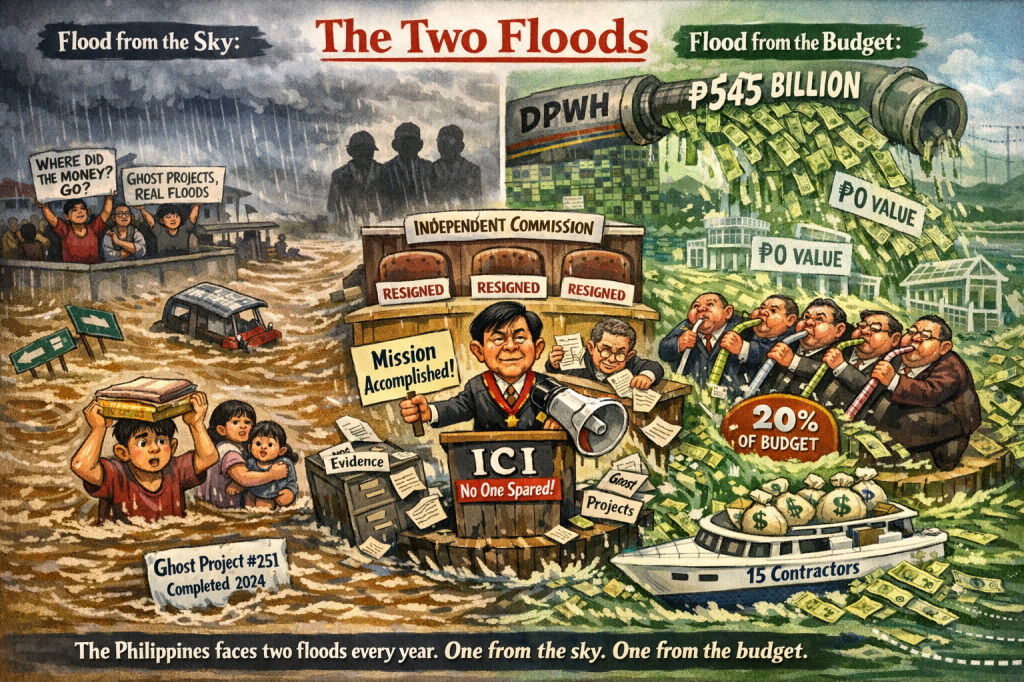
- Flood Control or Flood of Corruption? Marcos’ Infrastructure Probe Hits a Curious Pause
- Tau Gamma Phi: Where Brotherhood Means Beating You to Death and Blaming the Rogue Chapter
- Procurement Mafia’s Latest Hit Job: Why Herbosa Can’t Catch a Break
- Abra-Cadabra! 4.3 Million Poor Filipinos Just Vanished – Thanks, DHSUD Math

- Sara’s Magic Plane Fantasy vs. Marcos’ Bureaucratic Black Hole: Who Screws OFWs Worse?
- Sara’s Bagman Blows the Whistle – Then She Blows Perjury Smoke
- Bong Suntay’s Wet Dream Defense: How One Congressman Turned Impeachment into Pornhub Testimony



 KWEBA ni BAROK
Leave a comment