
By Louis ‘Barok‘ C. Biraogo
In a significant revelation, the Philippine Amusement and Gaming Corporation (Pagcor) disclosed that a “former high-ranking government official” attempted to facilitate the issuance of gaming licenses to illegal Philippine offshore gaming operators (POGOs). This statement, made by Pagcor chief Alejandro Tengco, underscores the pervasive corruption that continues to mar government transactions in the Philippines.
Corruption in Philippine Government Transactions
The Philippines has a long history of corruption in government dealings, often characterized by bribery, embezzlement, and undue influence. This endemic problem has been documented in various government agencies, including customs, tax collection, and public works. Corruption has eroded public trust and hindered economic development. High-profile cases, such as the Pork Barrel Scam, where billions of pesos were siphoned off through fake NGOs, highlight the systemic nature of this issue.
Commending Tengco’s Exposé
Alejandro Tengco’s decision to bring this matter to light is commendable. By exposing these dubious practices, he is taking a crucial step towards ensuring transparency and accountability within Pagcor and beyond. His commitment to revealing the identities of those involved “in the proper forum” is a welcome move, though it leaves much to be desired in terms of immediate accountability.
The Need for Immediate Disclosure
Tengco’s decision to withhold the identity of the former Cabinet official until a later time raises several issues. The public has a right to know who is involved in such nefarious activities, especially when it concerns national security and public welfare. The refusal to disclose names promptly can be seen as shielding the corrupt and allowing them time to cover their tracks.
Legal Liabilities for Non-disclosure
Failure to disclose the identity of the corrupt official can have legal implications. Under the Anti-Graft and Corrupt Practices Act (Republic Act No. 3019), public officials are mandated to report any corrupt activities. Shielding the identity of the individual can be construed as a dereliction of duty. In the case of Alonte vs. Savellano (G.R. No. 131652), the Supreme Court emphasized the importance of transparency and accountability in public service.
Liabilities of the Influencer and the Influencee
Both the influencer (the ex-Cabinet official) and the influencee (the POGO operators) face significant legal liabilities under Philippine law. The Anti-Graft and Corrupt Practices Act criminalizes various forms of corruption, including bribery and undue influence. The Revised Penal Code also provides for penalties for acts of corruption, including imprisonment and fines.
- Revised Penal Code: Article 212 provides that those who offer bribes to public officials also face imprisonment and fines.
- Anti-Graft and Corrupt Practices Act: Private individuals who conspire with public officials in corrupt activities are also subject to penalties under this law.
- Plunder Law (RA 7080): If the amount involved exceeds 50 million pesos, the crime of plunder may be charged, which carries the penalty of reclusion perpetua (life imprisonment) to death.
Liabilities of the Influencer
- Anti-Graft and Corrupt Practices Act (Republic Act No. 3019): Public officials involved in corrupt practices face imprisonment, fines, and perpetual disqualification from public office.
- Revised Penal Code: Articles 210 to 212 outline the penalties for direct and indirect bribery, which include imprisonment and fines.
Liabilities of the Influencee
- Revised Penal Code: Article 212 provides that those who offer bribes to public officials also face imprisonment and fines.
- Anti-Graft and Corrupt Practices Act: Private individuals who conspire with public officials in corrupt activities are also subject to penalties under this law.
Supreme Court Precedents
- Pleyto vs. PNP (G.R. No. 166838): This case highlighted the accountability of public officials in maintaining integrity in their official duties.
- Sison vs. People (G.R. No. 124818): The Supreme Court ruled that public officials engaging in corrupt practices could face significant penalties, including dismissal from service and perpetual disqualification from holding public office.
- Soriano vs. Sandiganbayan (G.R. Nos. 164785-86): This case underscores the liability of private individuals involved in corrupt transactions with public officials.
Call for Transparency and Accountability
Transparency and accountability are pillars of good governance. The current administration must ensure that all those involved in corrupt activities are held accountable. This includes prompt disclosure of identities and a thorough investigation into their actions.
Call for Prosecution
The prosecution of all violators is imperative. The Department of Justice and the Office of the Ombudsman should initiate investigations and pursue charges against the corrupt officials and their accomplices. The courts must ensure that justice is served swiftly and fairly.
Recommendations
1. Immediate Disclosure: Alejandro Tengco should reveal the identity of the ex-Cabinet official involved. This move will demonstrate Pagcor’s commitment to transparency and deter other officials from engaging in similar activities.
2. Strengthening Legal Frameworks: The government should strengthen existing anti-corruption laws to ensure they are robust enough to prevent and punish corrupt practices effectively.
3. Enhancing Oversight Mechanisms: Independent bodies should be empowered to oversee government transactions and ensure that they are free from undue influence and corruption.
4. Public Awareness Campaigns: Educating the public about the dangers of corruption and how they can report suspicious activities can help foster a culture of accountability.
5. Support for Whistleblowers: Whistleblowers like Tengco should be given adequate protection and support to encourage more individuals to come forward with information on corrupt practices.
Conclusion
The exposure of corruption within Pagcor underscores the urgent need for transparency and accountability in government transactions. Alejandro Tengco’s revelations are a critical step towards addressing these issues, but more decisive actions are needed. The government must act swiftly to prosecute those involved, strengthen legal frameworks, and promote a culture of integrity and accountability. Only through these measures can the Philippines hope to overcome the scourge of corruption and ensure a fair and just society for all its citizens.

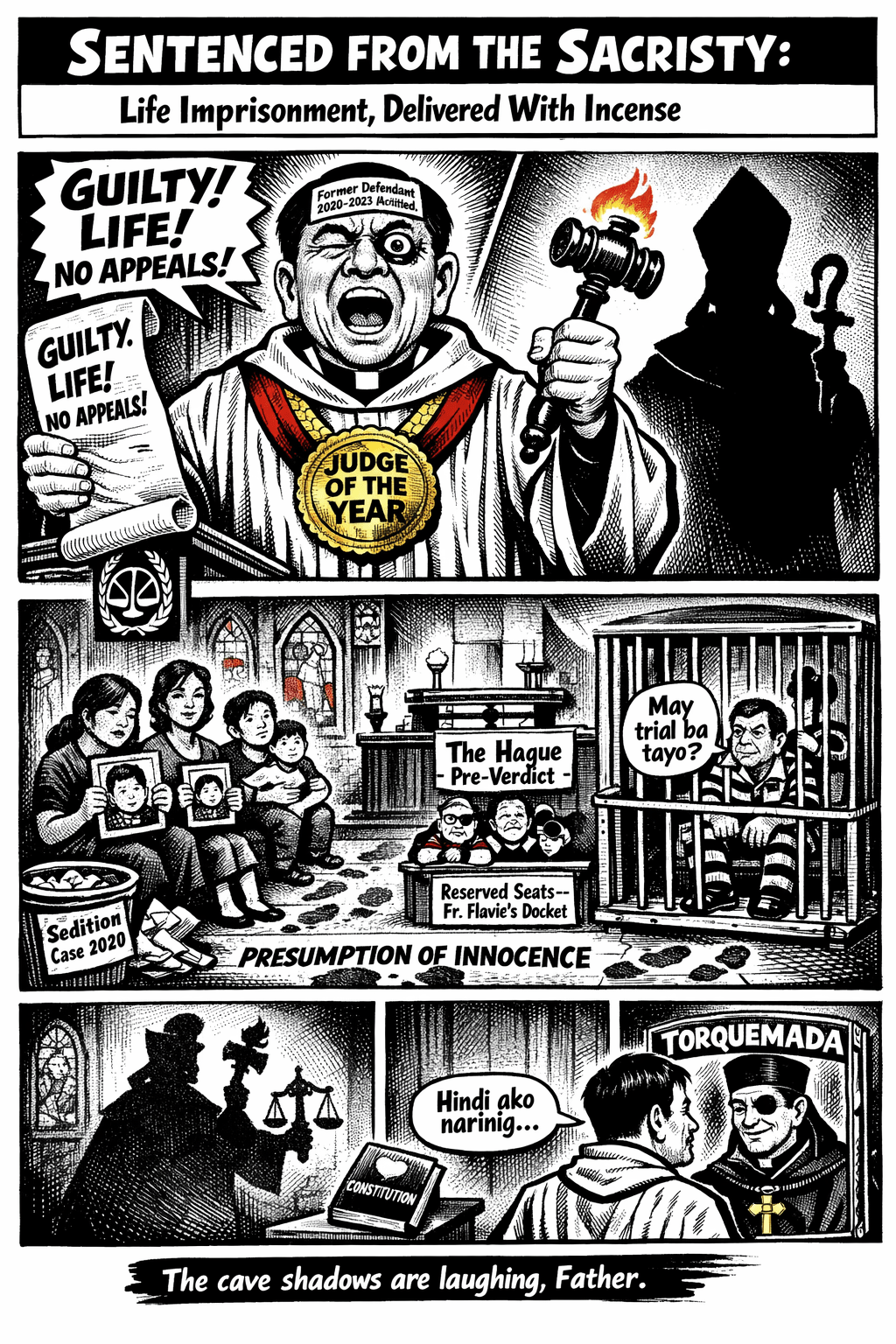
- Priest Sentences Duterte to Life – No Trial Needed
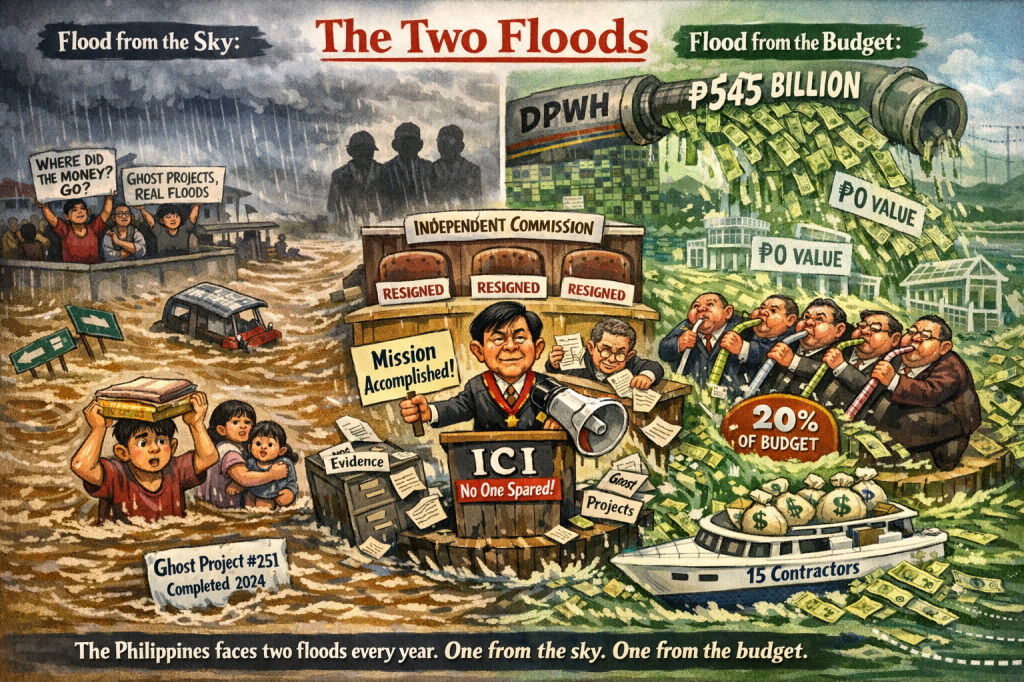
- Flood Control or Flood of Corruption? Marcos’ Infrastructure Probe Hits a Curious Pause
- Tau Gamma Phi: Where Brotherhood Means Beating You to Death and Blaming the Rogue Chapter

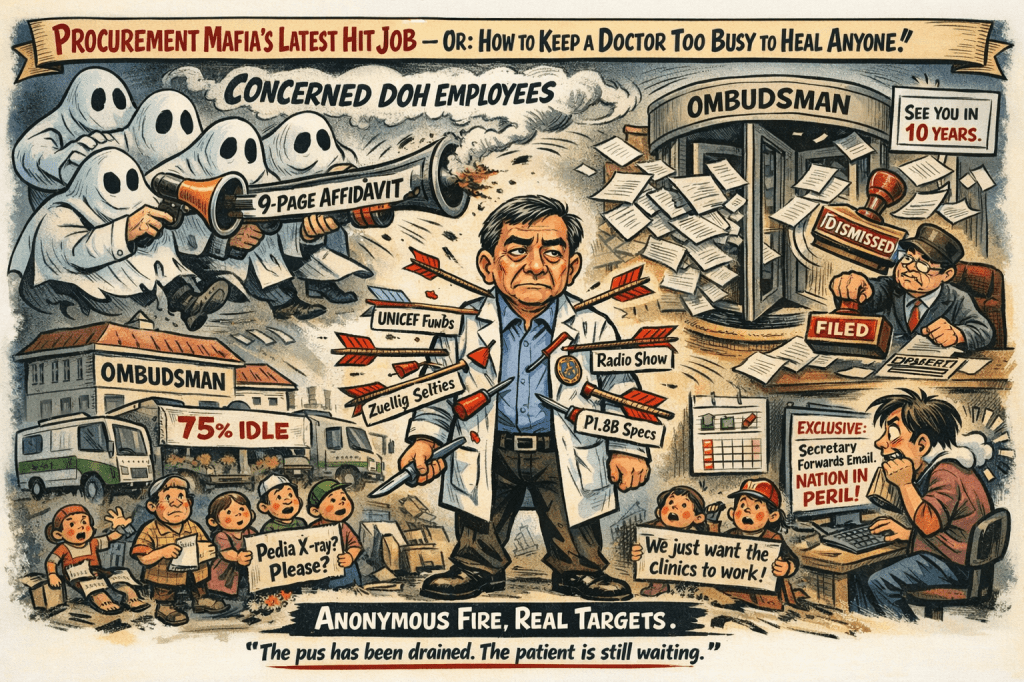
- Procurement Mafia’s Latest Hit Job: Why Herbosa Can’t Catch a Break

- Abra-Cadabra! 4.3 Million Poor Filipinos Just Vanished – Thanks, DHSUD Math

- Sara’s Magic Plane Fantasy vs. Marcos’ Bureaucratic Black Hole: Who Screws OFWs Worse?

- Sara’s Bagman Blows the Whistle – Then She Blows Perjury Smoke
- Bong Suntay’s Wet Dream Defense: How One Congressman Turned Impeachment into Pornhub Testimony

 KWEBA ni BAROK
Leave a comment