By Louis ‘Barok‘ C. Biraogo
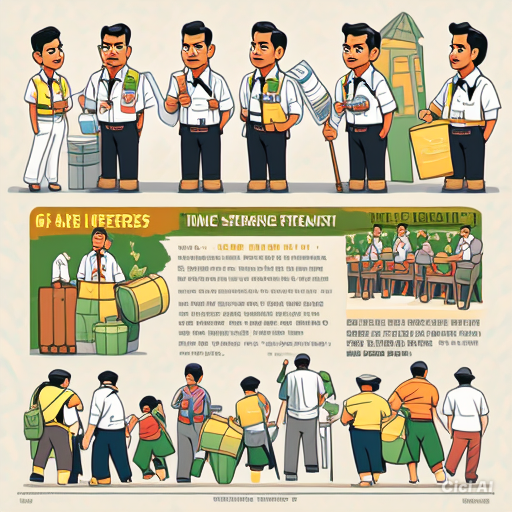
In a troubling revelation, the Department of Social Welfare and Development (DSWD) has announced an investigation into allegations that local officials have been siphoning off significant portions of financial aid meant for individuals in crisis. This latest scandal, involving a supposed coordinator in Cagayan de Oro City who allegedly deducted P9,300 from the P10,000 assistance intended for beneficiaries, is a stark reminder of the persistent corruption plaguing the Philippines’ social welfare programs.
The DSWD’s Assistance to Individuals in Crisis Situation (AICS) program was established as a lifeline for the most vulnerable Filipinos, offering critical support in times of dire need. Yet, this noble initiative has been repeatedly tainted by corruption. The very officials tasked with distributing aid have too often exploited their positions, turning what should be a beacon of hope into a symbol of greed and betrayal.
Despite DSWD’s promises of severe penalties for offenders, history suggests that such probes are more performative than effective. The investigation into aid deductions in Davao, much like the current probe in Northern Mindanao, is likely to yield little more than token punishments, if any. The pattern of ineffective and insincere investigations highlights a system that is fundamentally broken, with no substantial record of success in curbing these abuses.
The misuse of government financial aid has long been a major source of corruption, particularly in the run-up to elections. Financial assistance programs, instead of serving the public good, have become tools of political manipulation. Local officials and politicians frequently exploit these funds to bolster their campaigns, trading aid for votes and ensuring their continued grip on power. This perversion of public welfare not only undermines the integrity of elections but also deepens the cycle of poverty and dependence, leaving the very people these programs are meant to help even more vulnerable.
The corruption of government financial aid as an electoral tool strikes at the heart of Filipino democracy. It erodes public trust, disempowers the electorate, and perpetuates a system where the powerful remain unaccountable. When aid intended for those in desperate need is diverted to enrich corrupt officials, it destroys the social contract and damages the democratic fabric of the nation. The victims of this corruption are not just the immediate beneficiaries who are shortchanged but every Filipino citizen who is denied a fair and just political system.
Justice demands that those guilty of such heinous acts be prosecuted to the fullest extent of the law. But justice must also be proactive, not merely reactive. The DSWD must overhaul its oversight mechanisms to ensure transparency and accountability at every level of aid distribution. This includes stringent background checks for local coordinators, real-time monitoring of aid disbursements, and the establishment of independent bodies to investigate and address complaints swiftly and effectively.
Furthermore, there must be a cultural shift within the political system to sever the link between financial aid and electoral politics. This requires robust legal frameworks that strictly prohibit the use of public funds for campaign purposes, coupled with severe penalties for those who violate these laws. Civil society organizations, media, and the public must also play an active role in monitoring and reporting abuses, ensuring that those in power cannot act with impunity.
In this critical and suspense-filled chapter of Philippine governance, the stakes have never been higher. The integrity of social welfare programs, the sanctity of democratic processes, and the very future of the nation are at risk. As we await the outcomes of these investigations, let us remember that the fight against corruption is not just a battle for justice; it is a battle for the soul of the Philippines.

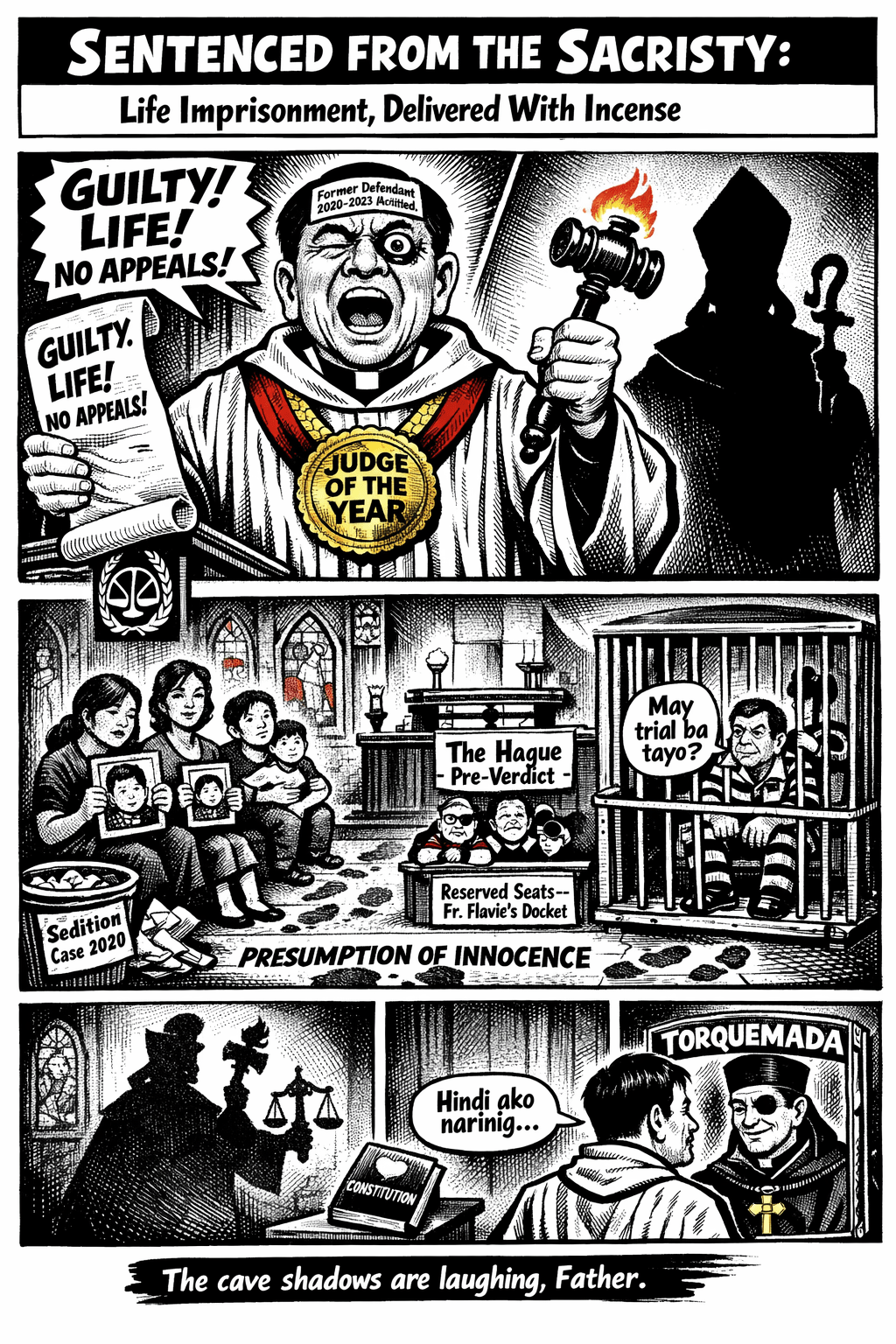
- Priest Sentences Duterte to Life – No Trial Needed
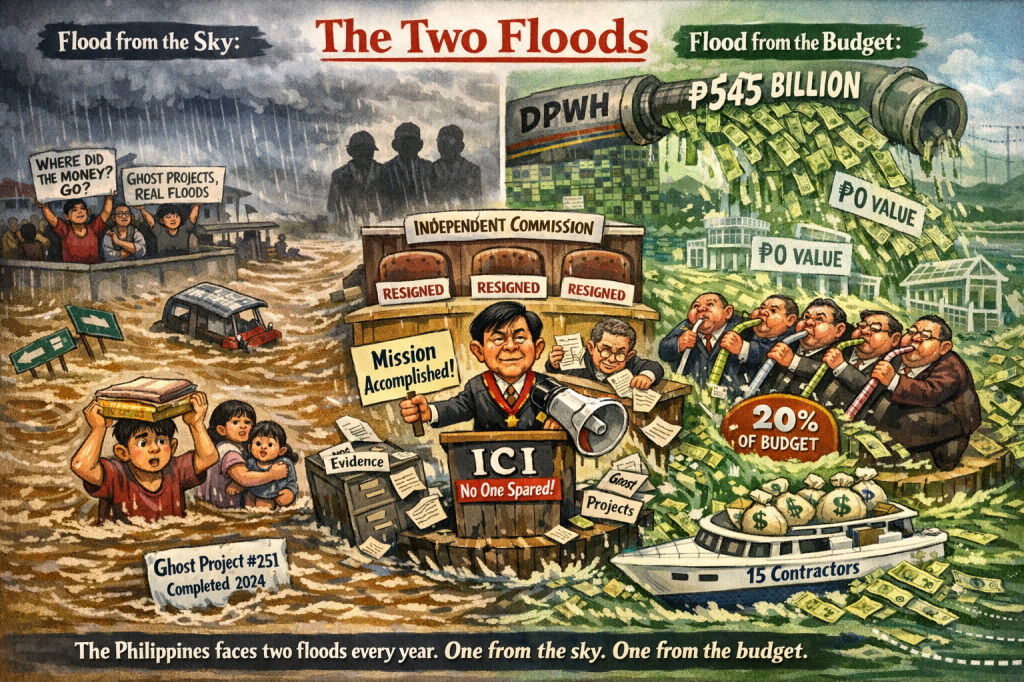
- Flood Control or Flood of Corruption? Marcos’ Infrastructure Probe Hits a Curious Pause
- Tau Gamma Phi: Where Brotherhood Means Beating You to Death and Blaming the Rogue Chapter
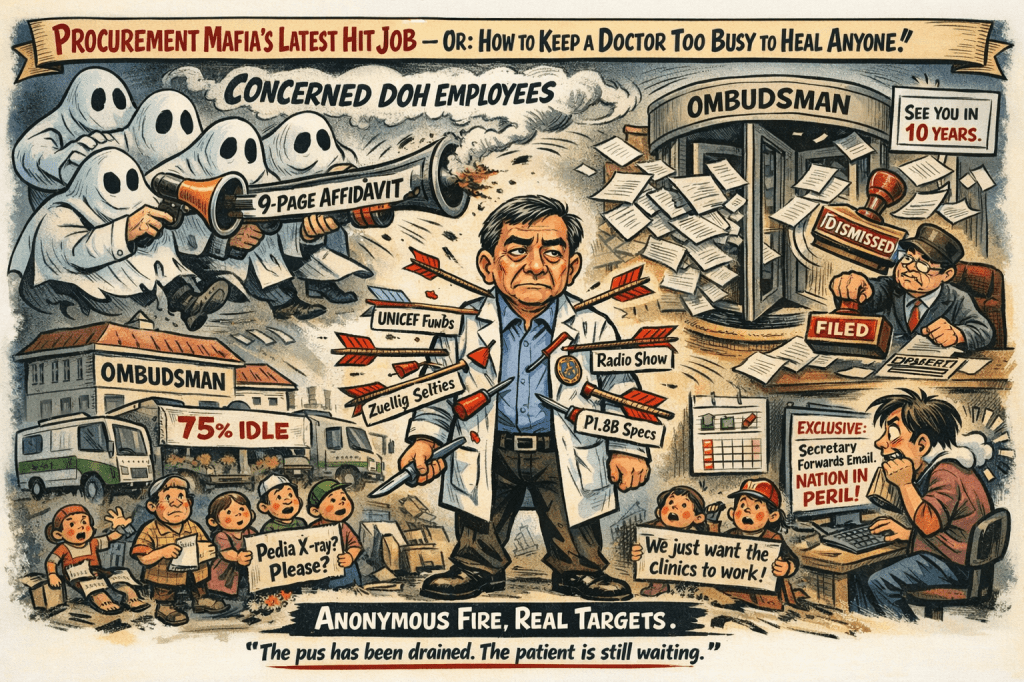
- Procurement Mafia’s Latest Hit Job: Why Herbosa Can’t Catch a Break
- Abra-Cadabra! 4.3 Million Poor Filipinos Just Vanished – Thanks, DHSUD Math

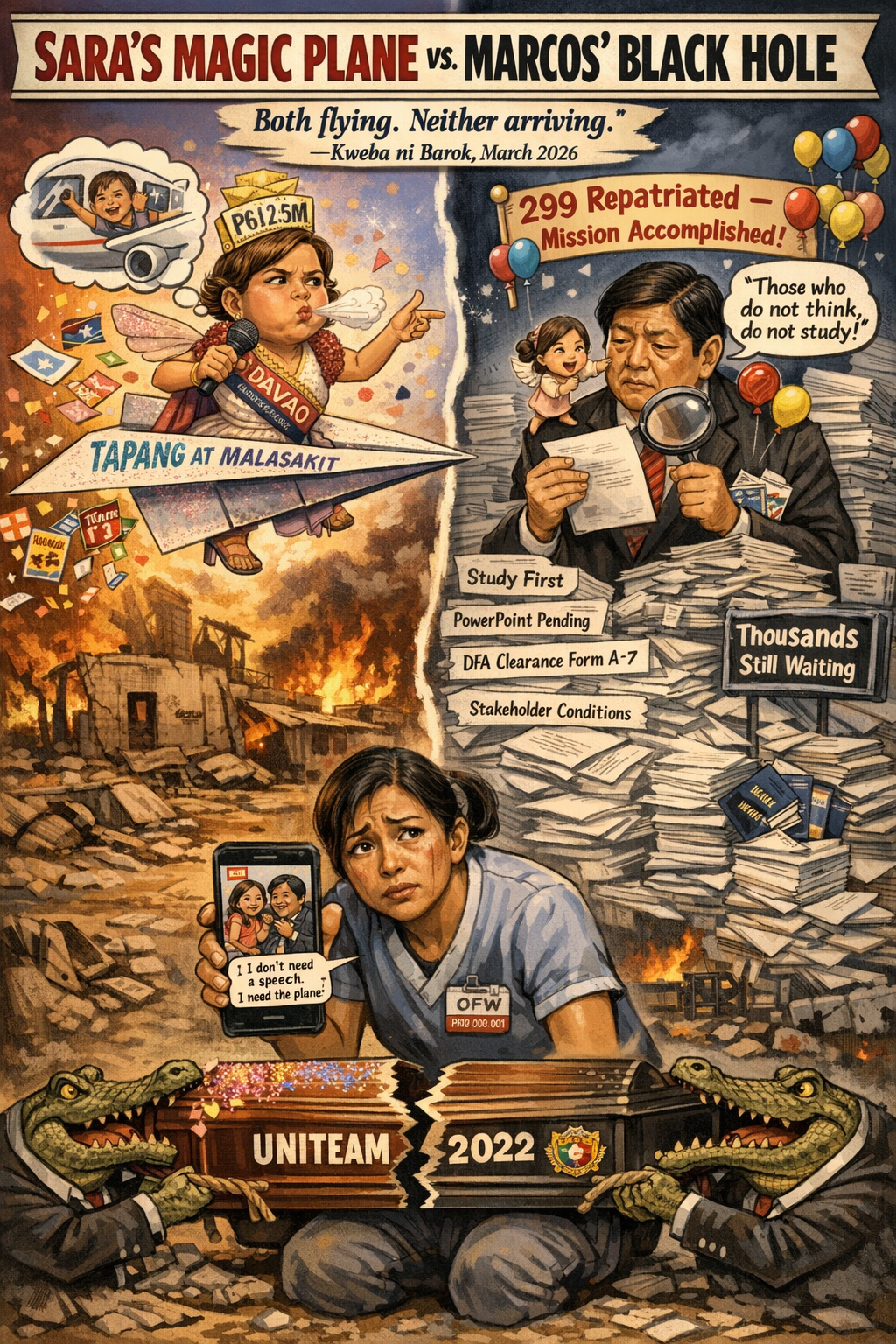
- Sara’s Magic Plane Fantasy vs. Marcos’ Bureaucratic Black Hole: Who Screws OFWs Worse?
- Sara’s Bagman Blows the Whistle – Then She Blows Perjury Smoke
- Bong Suntay’s Wet Dream Defense: How One Congressman Turned Impeachment into Pornhub Testimony


 KWEBA ni BAROK
Leave a comment