
By Louis ‘Barok’ C. Biraogo
In the sweltering heat of Hainan Province, a gathering of Chinese scholars quietly convened, tasked with a mission as daunting as it is controversial: to construct narratives that justify China’s sweeping claims over the South China Sea. The directive, delivered by Wu Shicun, founder of the National Institute for South China Sea Studies, encapsulates a perilous blend of historical revisionism and legal defiance. As tensions simmer and maritime skirmishes threaten to escalate, the world watches with bated breath, fearing that this delicate balance might soon tip into open conflict.
The strategy of narrative construction is not merely academic; it is a calculated move in a geopolitical chess game where the stakes are as high as the surrounding waters are deep. Wu’s call to arms is a response to the increasing cooperation between rival claimants and extraterritorial forces, aiming to counter China’s version of history with their own meticulously crafted counter-narratives. It’s a battle fought with words, but with real and potentially devastating consequences.
China’s claims over the South China Sea, draped in the garb of historical activities and ancient records, stand in stark contrast to the principles enshrined in the United Nations Convention on the Law of the Sea (UNCLOS), to which China is a signatory. The 2016 ruling by the Permanent Court of Arbitration in The Hague unequivocally invalidated China’s extensive maritime claims, branding them as incompatible with international law. Yet, Beijing’s response was to dismiss the ruling as a “bad joke,” doubling down on its assertions and ramping up its militarization of the disputed waters.
Historical precedents reveal a pattern of such defiance. Consider the 1990s case involving Eritrea and Yemen, which Wu cited, arguing that historical titles could supersede international conventions. However, this is a misrepresentation. The arbitration tribunal in that case clearly upheld the primacy of UNCLOS, reinforcing the framework of international maritime law over unilateral historical claims. The echoes of these historical rulings resound today, a reminder of the enduring need for adherence to legal norms and the perils of disregarding them.
Legally, China’s stance is a house of cards built on shaky foundations. The essence of UNCLOS is the rule of law in the world’s oceans, aiming to balance the rights and duties of coastal states with those of the international community. China’s narrative, if left unchallenged, threatens to undermine this delicate equilibrium. The very essence of international maritime law is at risk, casting a long shadow over global peace and stability.
The clamor for constructing narratives is not a mere academic endeavor but a calculated geopolitical strategy with ominous implications. As Chinese and Philippine vessels clash, incidents like the loss of a Philippine sailor’s thumb in recent confrontations underscore the human cost of this conflict. The use of water cannons and other aggressive measures are harbingers of potential escalation, a grim reminder of how swiftly words can turn into war.
The international community, particularly the United States and its allies, must resolutely advocate for the rule of law. Diplomatic efforts should focus on reinforcing the legitimacy of the 2016 Hague ruling, ensuring that it serves as a bulwark against any attempts to subvert international legal norms. A renewed commitment to multilateral dialogue and conflict resolution mechanisms under UNCLOS is imperative.
China’s scholars are urged to delve into foreign manuscript collections and Western naval literature to bolster their claims. Yet, the truth remains that no amount of historical revisionism can alter the legal realities established by international law. The world must stand firm against such attempts to rewrite history for geopolitical gain.
In this age of narrative construction, the imperative for truth and adherence to the rule of law has never been more crucial. The South China Sea is not merely a regional dispute but a litmus test for the future of international order. The call for peace and the rule of law must resonate louder than the drums of war. It is only through unwavering commitment to legal principles and peaceful dialogue that we can hope to avert the looming specter of conflict and ensure a stable and just international order.

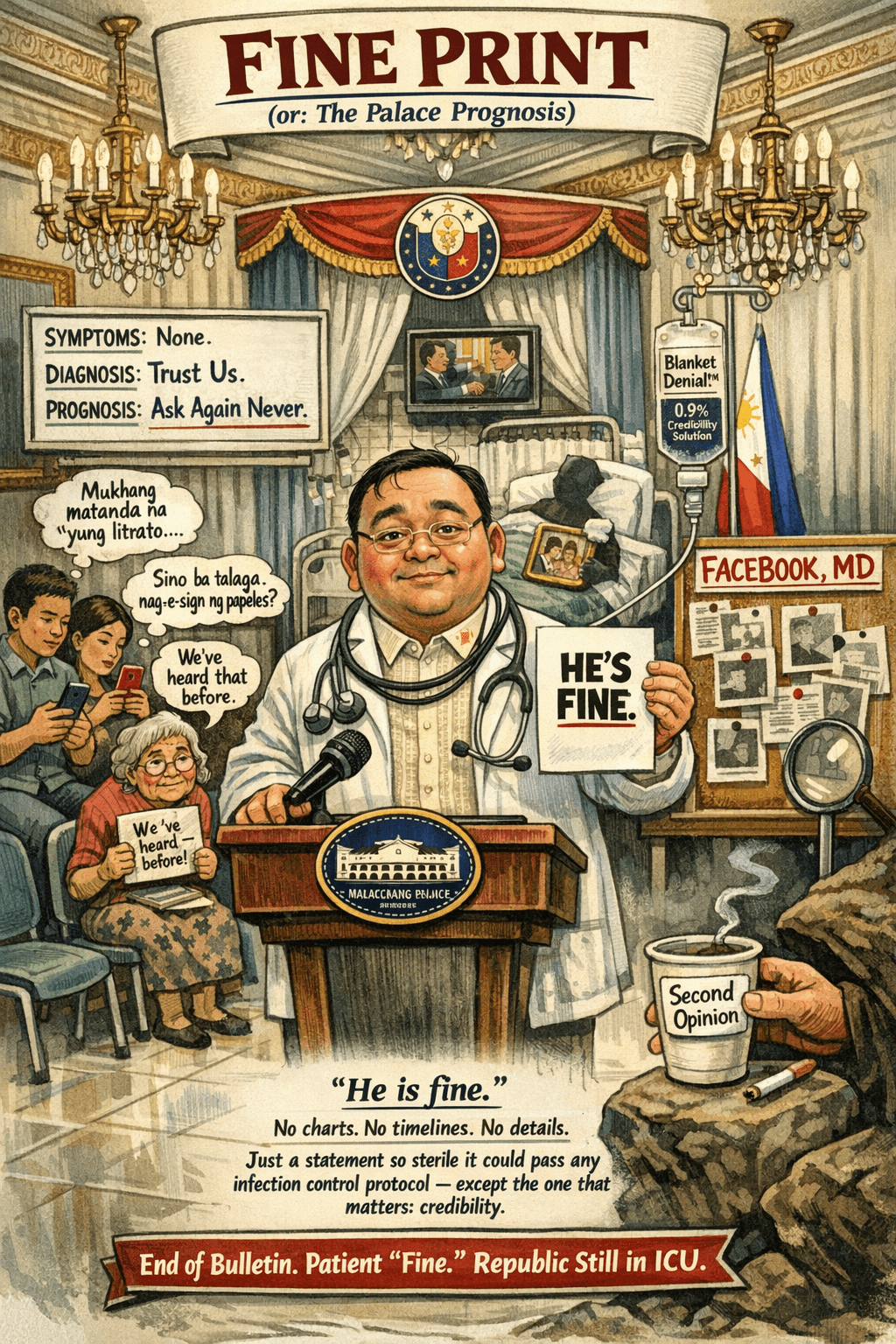
- MALACAÑANG MEDICAL BULLETIN: PATIENT IS ‘FINE,’ SYMPTOMS INCLUDE DENIAL

- NAIA Theft Scandal 2026: DOTr’s “Zero Tolerance” Warning After Screeners Rob Australian Tourist

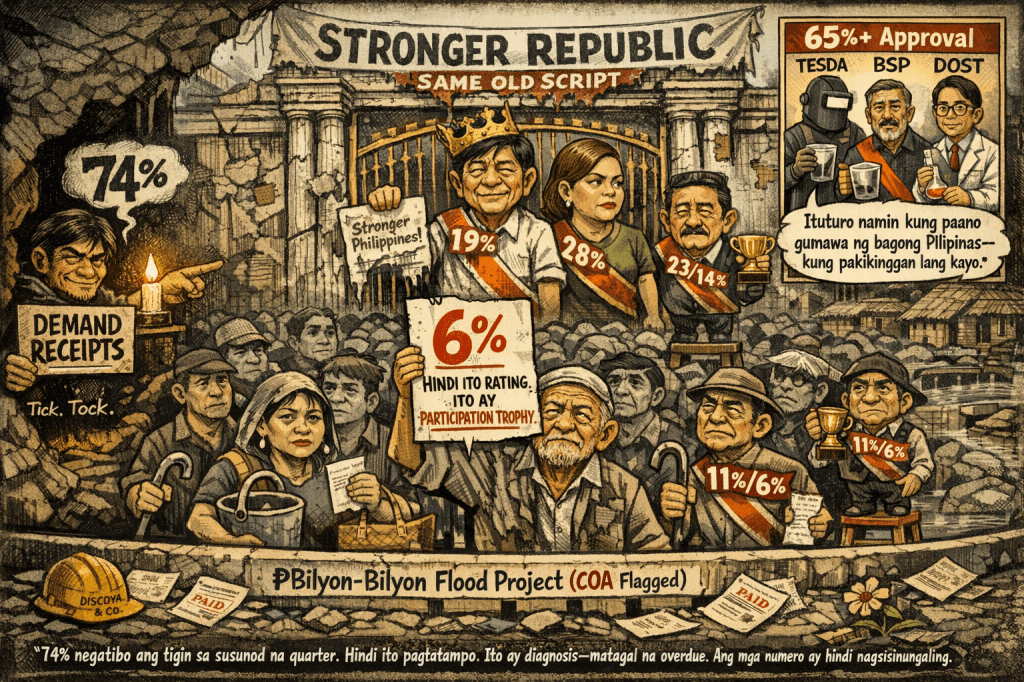
- 74% Negative Outlook: Filipinos Finally Demand Receipts, Not Promises

- Baste, Raffy, Vico at 47%—Philippine Democracy’s Most Honest Mirror (And It’s Ugly)

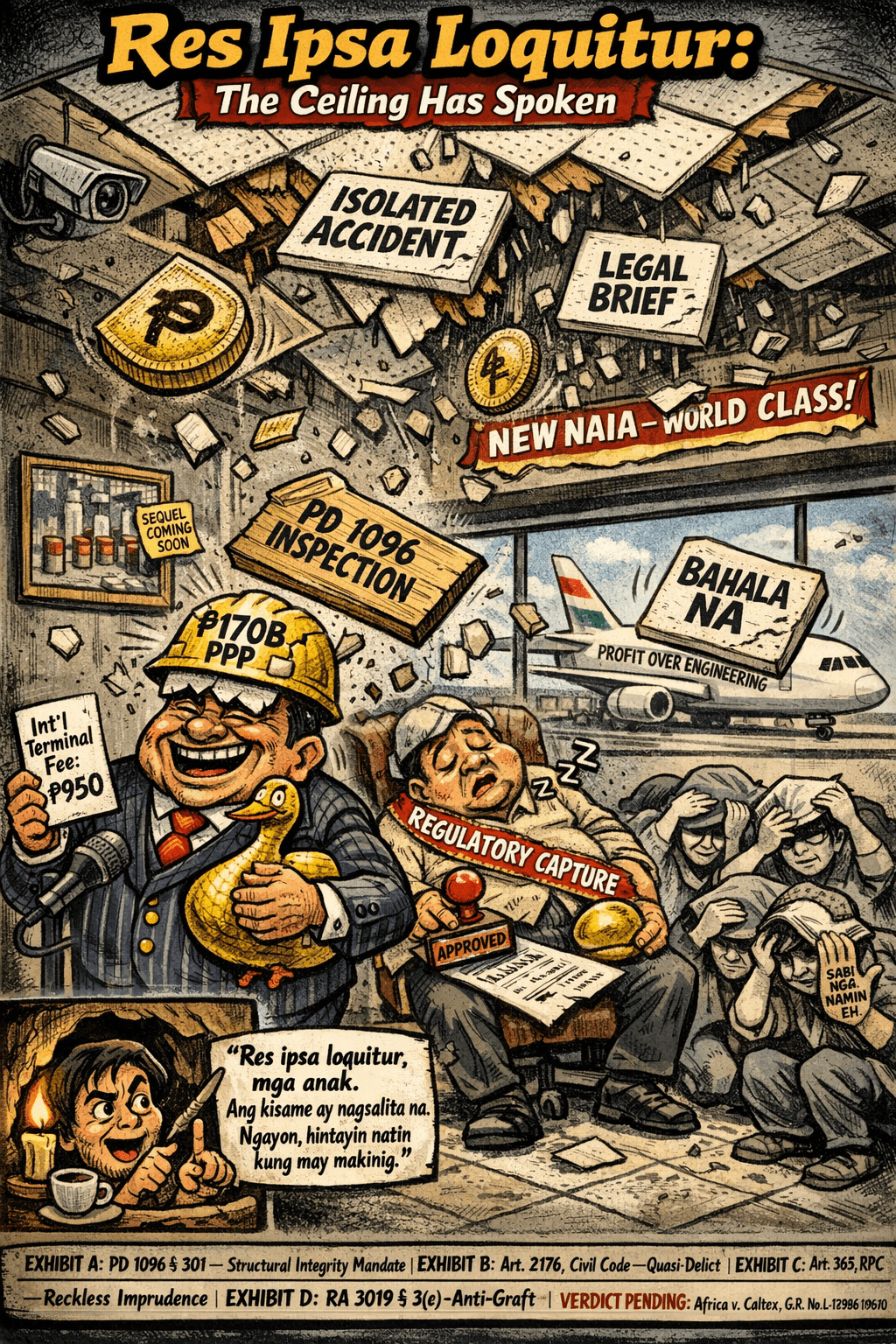
- NAIA Ceiling Collapse: Plywood Prayer or Pure Negligence?



 KWEBA ni BAROK
Leave a comment