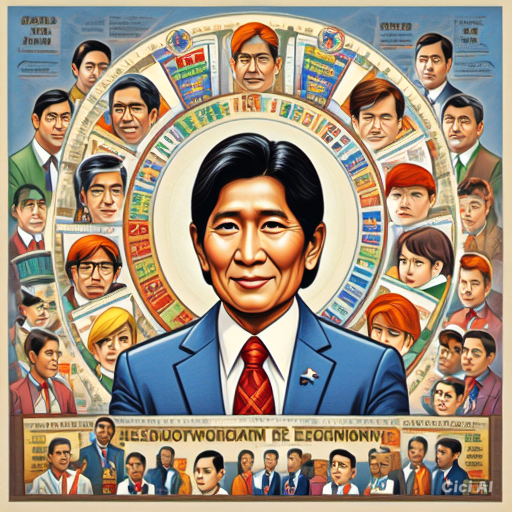
By Louis ‘Barok‘ C. Biraogo
The suspense mounts as President Ferdinand Marcos Jr. grapples with the formidable task of selecting the next Secretary of Education for the Philippines. With mounting pressure from various stakeholders and the critical state of the nation’s education system, Marcos finds himself at a pivotal juncture. The demands of this role are enormous, and Marcos’s struggle to find the right candidate underscores the complexity of the issues at hand.
To objectively assess the challenges Marcos faces, let us employ a standard problem-solving matrix, breaking down the problem into key components and identifying factors for success.
Problem-Solving Matrix
1. Problem Identification:
- Issue: Low test scores and poor educational outcomes in the Philippines.
- Symptoms: Filipino students rank low in global assessments; dissatisfaction among educators and parents.
- Stakeholders: Students, teachers, parents, policymakers, and the broader community.
2. Root Cause Analysis:
- Curriculum Deficiencies: Outdated or irrelevant curriculum that does not meet modern standards.
- Teacher Quality: Insufficient training and support for teachers.
- Resource Allocation: Poor management and distribution of educational resources.
- Bureaucratic Inefficiencies: Red tape and administrative hurdles hindering effective policy implementation.
3. Potential Solutions:
- Curriculum Reform: Update and modernize the curriculum to meet global standards.
- Teacher Training Programs: Enhance professional development for educators.
- Efficient Resource Management: Improve the allocation and utilization of educational funds and materials.
- Streamline Bureaucracy: Simplify administrative processes to ensure smooth policy execution.
Factors for Success
1. Visionary Leadership:
- The new DepEd chief must have a clear and compelling vision for the future of Philippine education.
2. Educational Expertise:
- Deep understanding of pedagogical principles and curriculum development.
3. Administrative Skills:
- Proficiency in managing large organizations and navigating bureaucratic landscapes.
4. Commitment to Equity:
- Ensuring that educational opportunities are accessible to all segments of society.
5. Stakeholder Engagement:
- Ability to build consensus among diverse groups and foster collaboration.
Qualifications of the New Education Secretary
Based on these factors, the ideal candidate for the role of Secretary of Education should possess the following qualifications:
1. Educational Background: Extensive experience in education, preferably with a strong track record in curriculum development and teacher training.
2. Leadership Experience: Proven ability to lead large organizations and manage complex systems.
3. Administrative Acumen: Demonstrated skills in resource management and bureaucratic navigation.
4. Equity Focus: Commitment to inclusive education and reducing disparities.
5. Collaborative Spirit: Capacity to engage with stakeholders and build productive partnerships.
Precedents and Examples
1. Finland:
– Finland’s education system is often lauded for its success. Their approach emphasizes teacher autonomy, high-quality training, and a curriculum that balances academic and life skills.
2. Singapore:
– Singapore’s education reforms focused on rigorous teacher training, continuous professional development, and a future-oriented curriculum, resulting in high student performance in global assessments.
3. South Korea:
– South Korea’s commitment to education is reflected in significant investment in teacher quality and infrastructure, leading to high literacy rates and strong academic outcomes.
Recommendations
1. Prioritize Curriculum Reform:
– The new DepEd chief should spearhead efforts to update the curriculum, aligning it with global standards and future workforce needs.
2. Invest in Teacher Development:
– Implement comprehensive training programs to enhance teacher skills and knowledge, ensuring they can effectively deliver the new curriculum.
3. Improve Resource Management:
– Streamline the allocation of educational resources to ensure schools are well-equipped and funds are used efficiently.
4. Simplify Bureaucratic Processes:
– Reduce administrative burdens to facilitate quicker and more effective policy implementation.
5. Foster Inclusive Education:
– Develop strategies to ensure all students, regardless of background, have access to quality education.
As President Marcos Jr. continues to deliberate, it is clear that the stakes could not be higher. The future of millions of Filipino students hangs in the balance. Choosing the right leader for the Department of Education is not just a matter of filling a vacancy; it is about charting a course for the nation’s progress and prosperity. Marcos must rise to the occasion, guided by a vision for an education system that truly serves the needs of its people and prepares them for the challenges of the future. The clock is ticking, and the nation’s educational destiny awaits his decision.

- Priest Sentences Duterte to Life – No Trial Needed
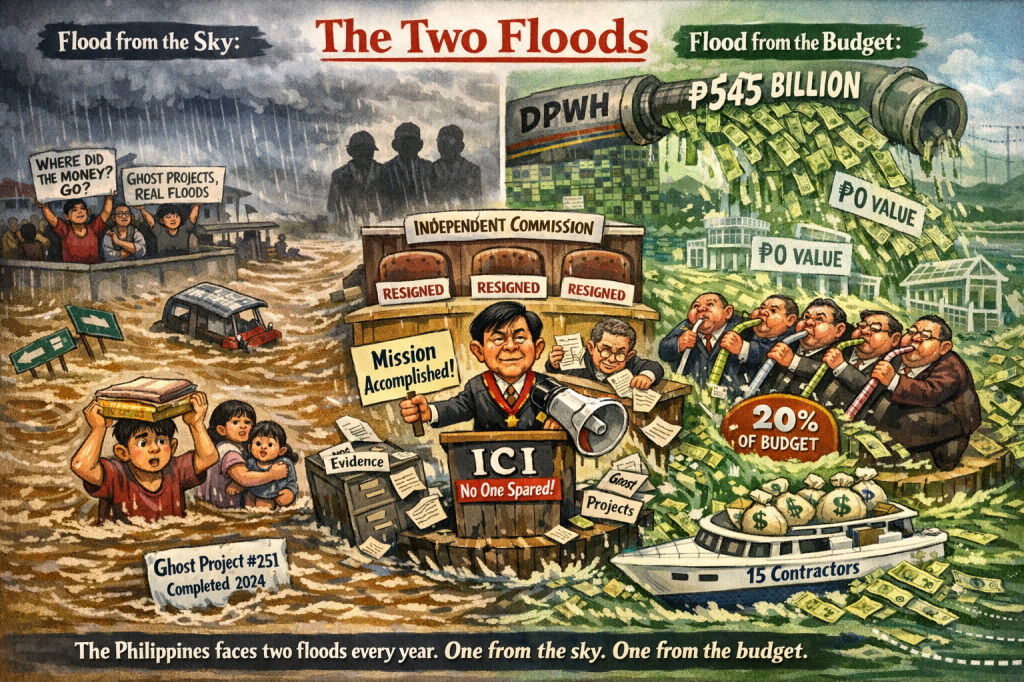
- Flood Control or Flood of Corruption? Marcos’ Infrastructure Probe Hits a Curious Pause
- Tau Gamma Phi: Where Brotherhood Means Beating You to Death and Blaming the Rogue Chapter

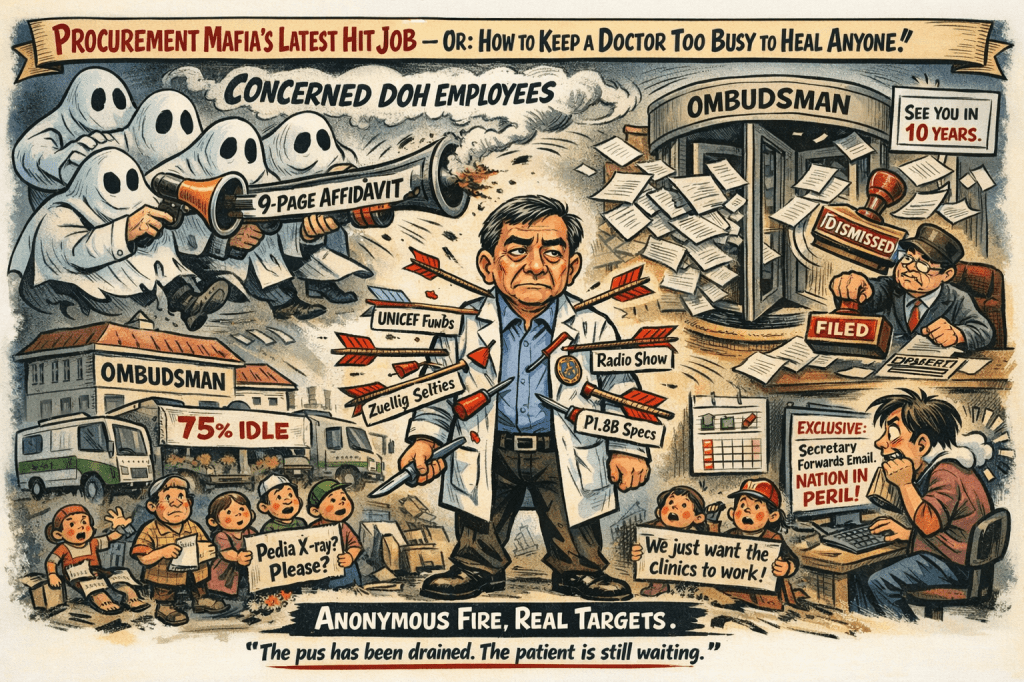
- Procurement Mafia’s Latest Hit Job: Why Herbosa Can’t Catch a Break

- Abra-Cadabra! 4.3 Million Poor Filipinos Just Vanished – Thanks, DHSUD Math

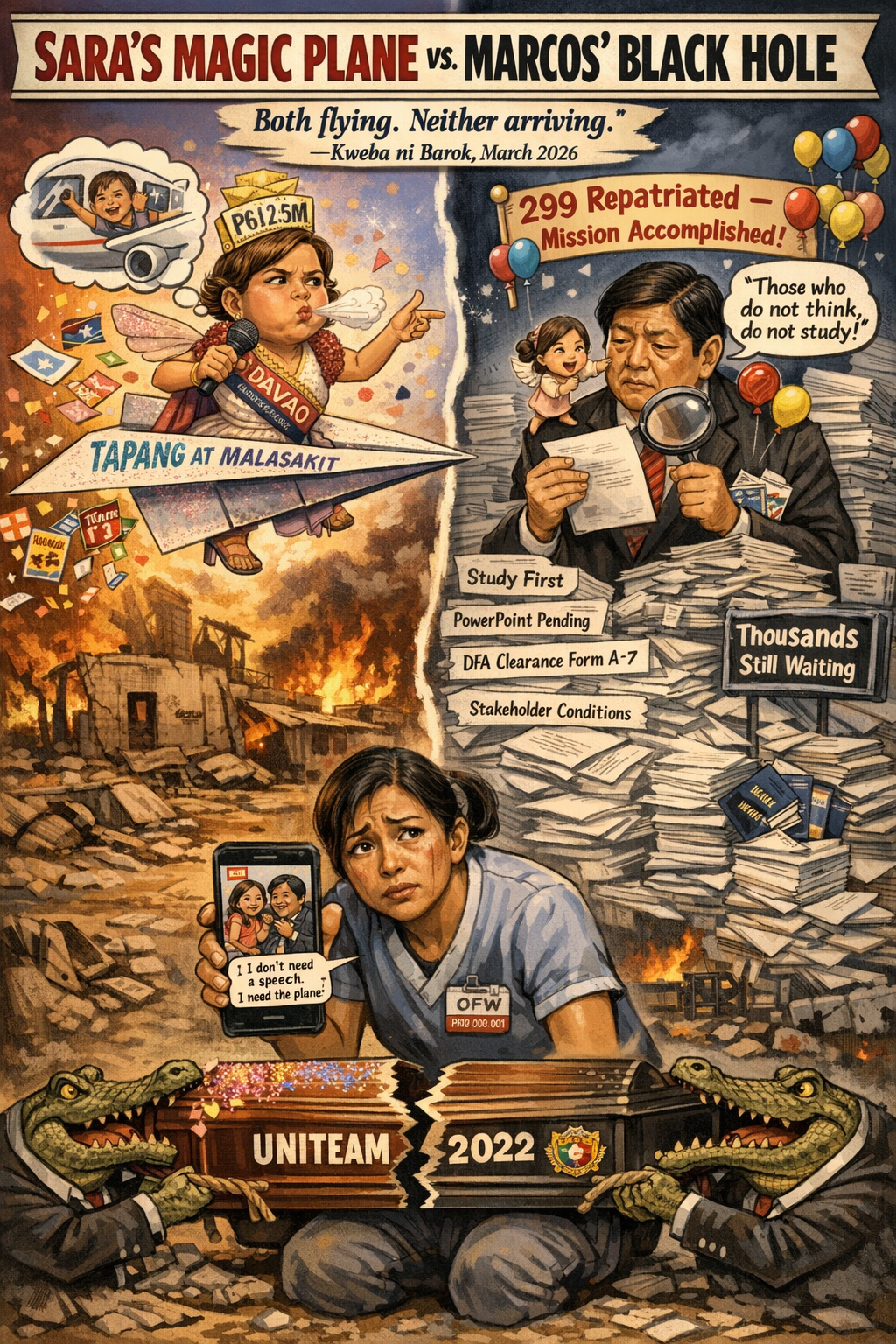
- Sara’s Magic Plane Fantasy vs. Marcos’ Bureaucratic Black Hole: Who Screws OFWs Worse?

- Sara’s Bagman Blows the Whistle – Then She Blows Perjury Smoke

- Bong Suntay’s Wet Dream Defense: How One Congressman Turned Impeachment into Pornhub Testimony



 KWEBA ni BAROK
Leave a comment