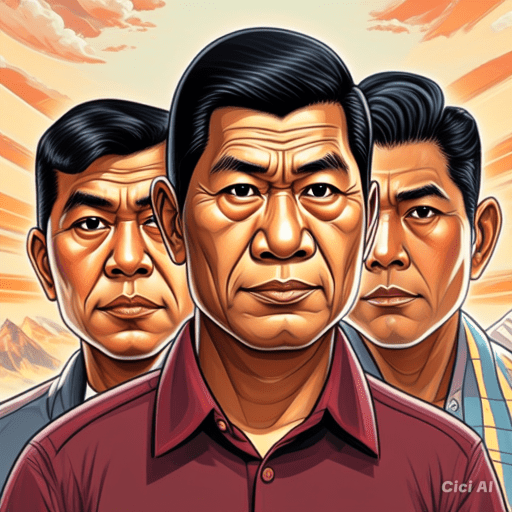
By Louis ‘Barok‘ C. Biraogo
In the jungle of Philippine politics, a new chapter unfolds as former President Rodrigo Duterte and his two sons prepare to vie for Senate seats in the upcoming midterm elections. This maneuver, while seemingly democratic, is poised to send shockwaves through the delicate alliance that has thus far bound the Duterte and Marcos political dynasties.
The unexpected resignation of Vice President Sara Duterte from President Ferdinand Marcos Jr.’s cabinet was a prelude to a strategic play. The announcement that her father and brothers intend to run for the Senate not only signals the collapse of their uneasy alliance but also presents a formidable challenge to Marcos’ aspirations. Historical precedents in Philippine politics highlight the volatility of such alliances, where personal ambition and familial loyalty often trump party ideology.
Rodrigo Duterte, a figure whose controversial tenure was marked by a brutal war on drugs, remains a polarizing force. His decision to run for Senate may be seen as a bid for political protection against the looming International Criminal Court (ICC) investigation. His sons, although currently trailing in the polls, could leverage their father’s still-significant political base to secure their seats. Historically, the power of incumbency and name recognition in Philippine elections cannot be underestimated. The Dutertes’ potential electoral success hinges on their ability to mobilize this base and capitalize on the public’s enduring disenchantment with traditional political elites.
For Marcos, the implications are profound. His administration, marked by a pivot towards the United States and a hard stance on China, stands in stark contrast to Duterte’s pro-China and anti-Western rhetoric. Should the Dutertes secure seats in the Senate, they could obstruct Marcos’ legislative agenda, complicating his efforts to solidify power and groom a successor for 2028. The Senate, with its significant investigative and oversight powers, could become a battleground where the Dutertes seek to undermine Marcos, perhaps through censure or probes designed to destabilize his presidency.
One cannot ignore the deeper motivations at play. For Rodrigo Duterte, the Senate run may be less about legislative aspirations and more about securing a shield against international prosecution. The specter of the ICC’s war crimes investigation looms large, and as a senator, Duterte could potentially leverage his position to avoid extradition. Analysts speculate that this move could either be a genuine attempt to safeguard his future or a calculated ploy to remain in the political spotlight, reminding Filipinos of the Duterte brand’s resilience and relevance.
The friction between the two dynasties is a stark reminder of the precarious nature of political alliances in the Philippines. The Marcos-Duterte partnership, born out of electoral convenience rather than ideological alignment, is now unraveling. This disintegration could lead to a power struggle that disrupts the nation’s policy stability, affecting everything from foreign relations to domestic security.
As the Philippines heads towards the midterms, the outcome of this political gambit remains uncertain. The Duterte family’s bid for the Senate, while audacious, is fraught with risk. Success would cement their influence and complicate Marcos’ presidency; failure could signal the decline of their political clout. For the Filipino electorate, the upcoming elections are not just a choice of candidates but a referendum on the country’s political future and the legacy of its most controversial leaders.
To navigate this treacherous landscape, Marcos might consider reinforcing alliances with other political factions and fortifying his legislative support. Transparency, coupled with a clear policy direction, could also help mitigate the Dutertes’ influence. For the Duterte family, a strategic, issues-based campaign that addresses the public’s concerns might be their best bet to regain and retain political leverage.
In the end, the unfolding political drama in the Philippines is a testament to the enduring complexity and intrigue of its democracy, where power is ever-shifting and alliances are as fragile as they are strategic.

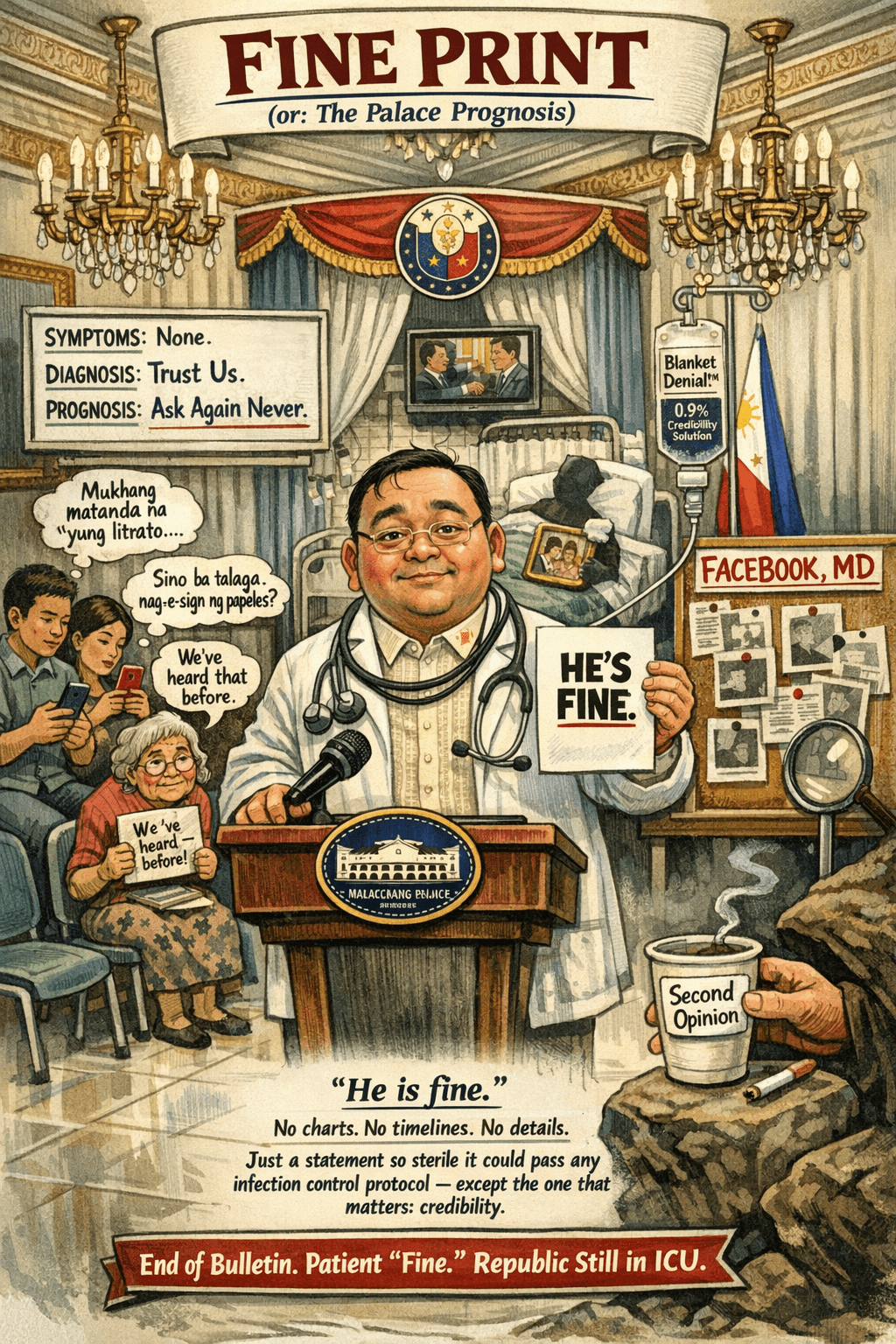
- MALACAÑANG MEDICAL BULLETIN: PATIENT IS ‘FINE,’ SYMPTOMS INCLUDE DENIAL

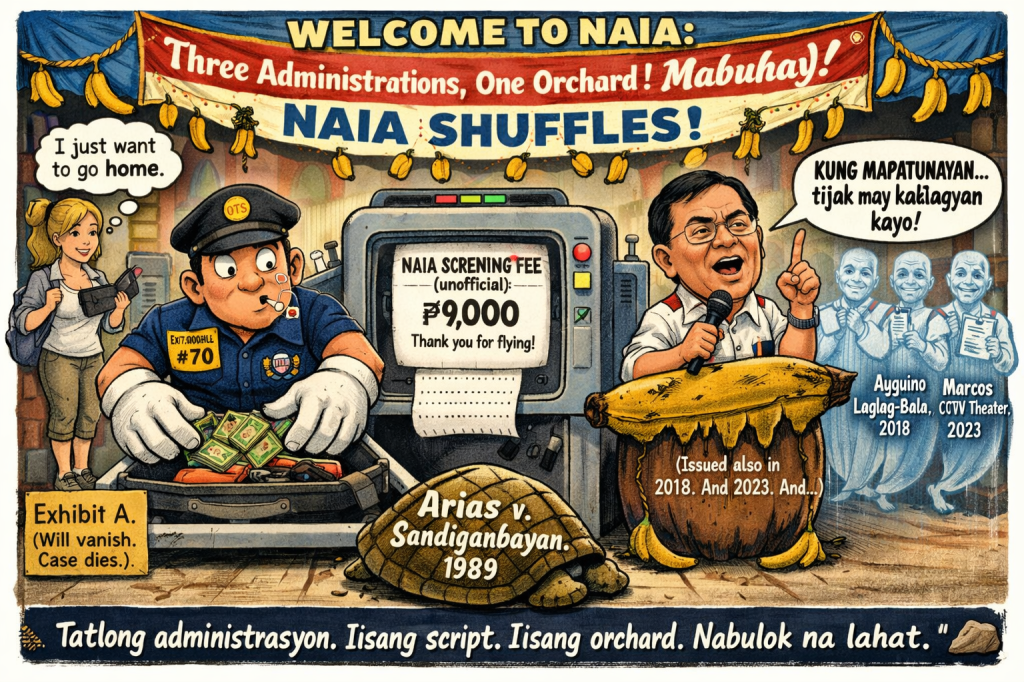
- NAIA Theft Scandal 2026: DOTr’s “Zero Tolerance” Warning After Screeners Rob Australian Tourist
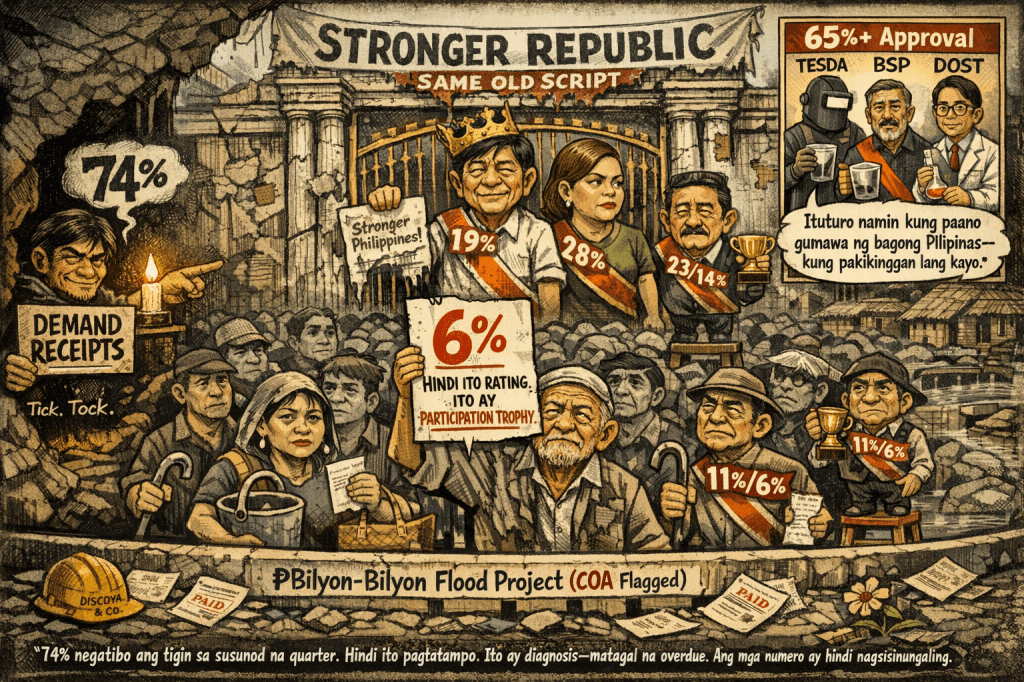
- 74% Negative Outlook: Filipinos Finally Demand Receipts, Not Promises
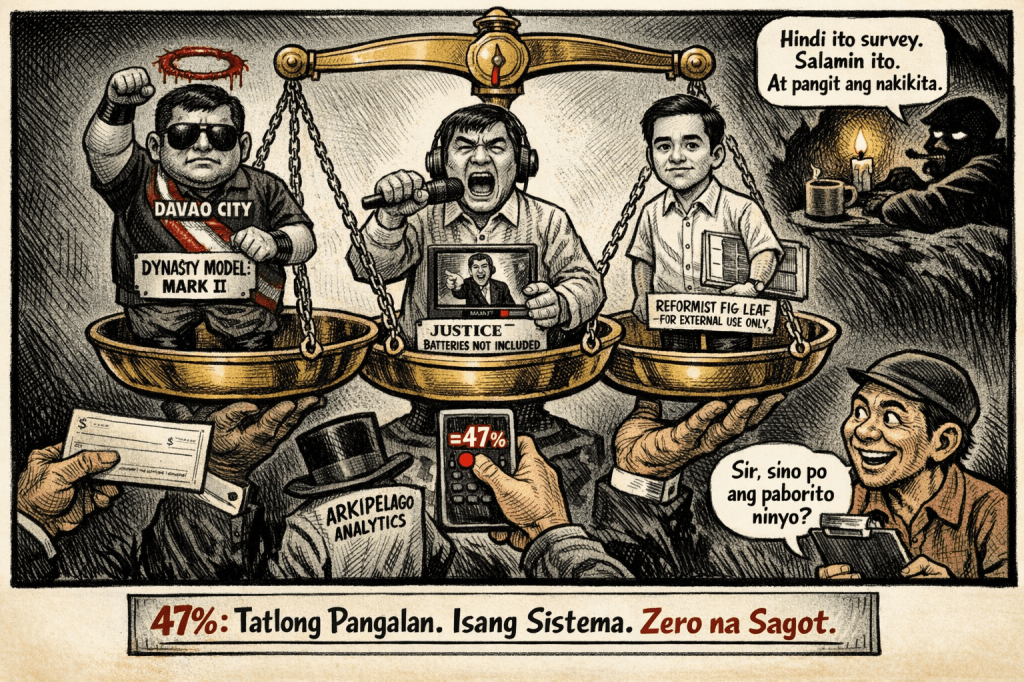
- Baste, Raffy, Vico at 47%—Philippine Democracy’s Most Honest Mirror (And It’s Ugly)
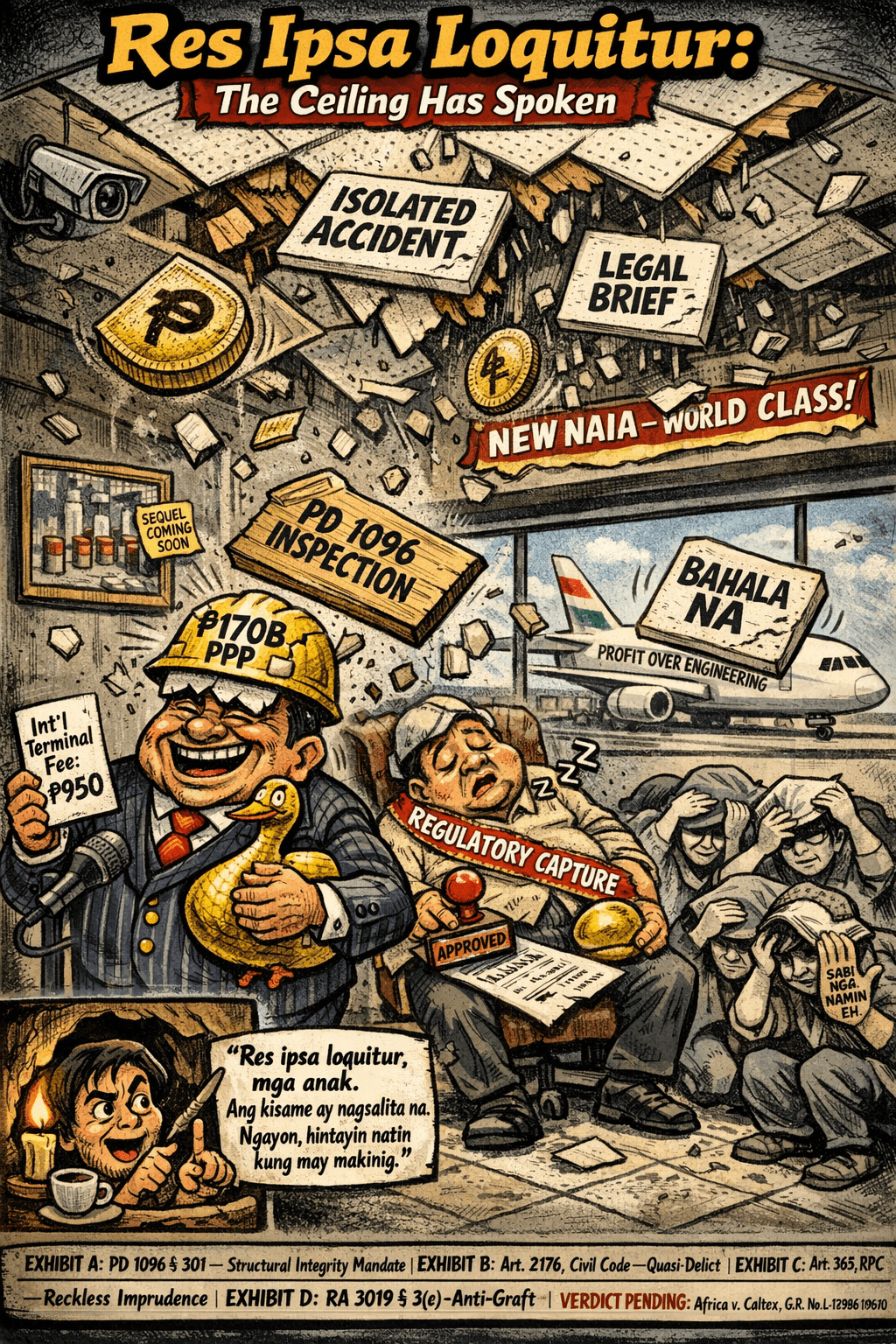
- NAIA Ceiling Collapse: Plywood Prayer or Pure Negligence?

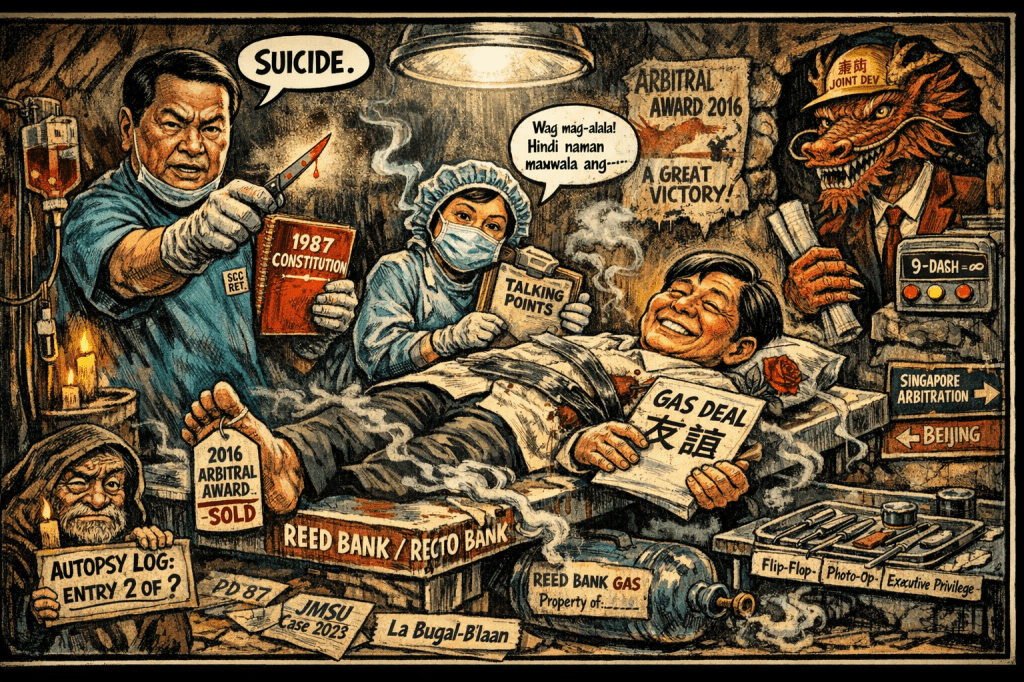
- Suicide by Gas Deal: Carpio Slams Palace Gaslighting on China Oil Pact
- No Toll, Just Soul: How the Philippines Groveled for Iranian “Safe Passage”
- Don Quixote of the Archipelago: Payoyo Tilts at UNCLOS Windmills

 KWEBA ni BAROK
Leave a comment