By Louis ‘Barok‘ C. Biraogo
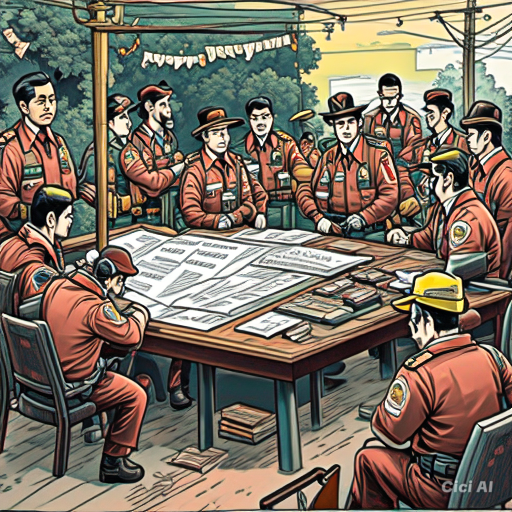
In the quiet streets of Santa Rosa City, Laguna, an unsettling narrative unfolds—a tale not of justice, but of betrayal by those sworn to uphold it. The robbery of businessman Nino Arni Amoranto Marfil, executed under the guise of Philippine Drug Enforcement Agency (PDEA) agents, is a chilling reminder of a dark undercurrent in Philippine law enforcement. This latest incident, involving the theft of over P600,000, assorted jewelry, and cellphones, encapsulates a troubling pattern of law enforcers becoming lawbreakers, a phenomenon colloquially known as “hulidap.”
The term “hulidap” melds the Filipino words “huli” (to catch) and “hold-up,” describing scenarios where corrupt law enforcement officers or impostors use their authority to extort and rob innocent citizens. Historically, such acts have been both pervasive and pernicious, eroding public trust in the institutions designed to protect them. This latest robbery is not an isolated incident but a manifestation of a systemic issue that has plagued the Philippines for decades.
Historically, cases of hulidap have often involved police or other law enforcement officials abusing their power. One notable case occurred in 2005, when rogue members of the Philippine National Police (PNP) were implicated in a series of abductions and robberies. The Supreme Court of the Philippines has, on several occasions, ruled against such abuses. In People of the Philippines vs. Leo P. Ebet, G.R. No. 127327, June 28, 2001, the Court underscored the gravity of police misconduct and its corrosive impact on public trust and societal order.
From a legal standpoint, these actions violate multiple provisions of Philippine law. Article 294 of the Revised Penal Code of the Philippines defines and penalizes robbery with violence or intimidation. Moreover, Republic Act No. 3019, or the Anti-Graft and Corrupt Practices Act, includes penalties for public officers who misuse their positions to commit illegal acts. The Constitution itself mandates that public officers should at all times be accountable to the people and serve them with utmost responsibility, integrity, loyalty, and efficiency.
Yet, despite these legal safeguards, the recurrence of such incidents suggests a deeper malaise within the law enforcement apparatus. The impunity with which these crimes are committed points to systemic failures—ranging from inadequate oversight and accountability mechanisms to a pervasive culture of corruption.
The implications of such brazen misconduct are far-reaching. For the victims, like Marfil and his family, the trauma extends beyond the financial loss. It is an assault on their sense of security and trust in the very system meant to protect them. For the wider public, each incident of hulidap deepens cynicism and erodes the moral authority of law enforcement institutions.
Criticism of these atrocities must be unequivocal. From a human rights perspective, the use of state power to perpetrate crimes is an egregious violation. It betrays the fundamental social contract between the state and its citizens. From an ethical standpoint, the duplicity of masquerading as protectors while engaging in criminal activities is abhorrent.
To address this scourge, a multi-faceted approach is required. Firstly, the PNP and other law enforcement agencies must undergo rigorous reforms. This includes enhanced training focused on ethics and human rights, stringent vetting processes, and robust internal affairs units tasked with rooting out corruption. Moreover, whistleblower protection laws should be strengthened to encourage reporting of misconduct without fear of retaliation.
Secondly, legislative measures must be fortified. Amendments to existing laws should impose harsher penalties on law enforcers found guilty of hulidap, ensuring that the punishment is commensurate with the betrayal of public trust. Additionally, the judiciary must expedite the prosecution of such cases to serve as a deterrent.
Lastly, public awareness and community engagement are crucial. Citizens must be educated about their rights and the proper procedures for law enforcement encounters. Community policing initiatives can help rebuild trust and foster cooperation between the public and the police.
In the unfolding drama of Philippine law enforcement, the Marfil robbery is a somber chapter, a testament to the urgent need for reform. As the manhunt for the perpetrators continues, one can only hope that justice will not just be served but will signal the beginning of the end for the culture of hulidap. The stakes are high, and the future of public trust in the Philippine justice system hangs in the balance. The time for decisive action is now.

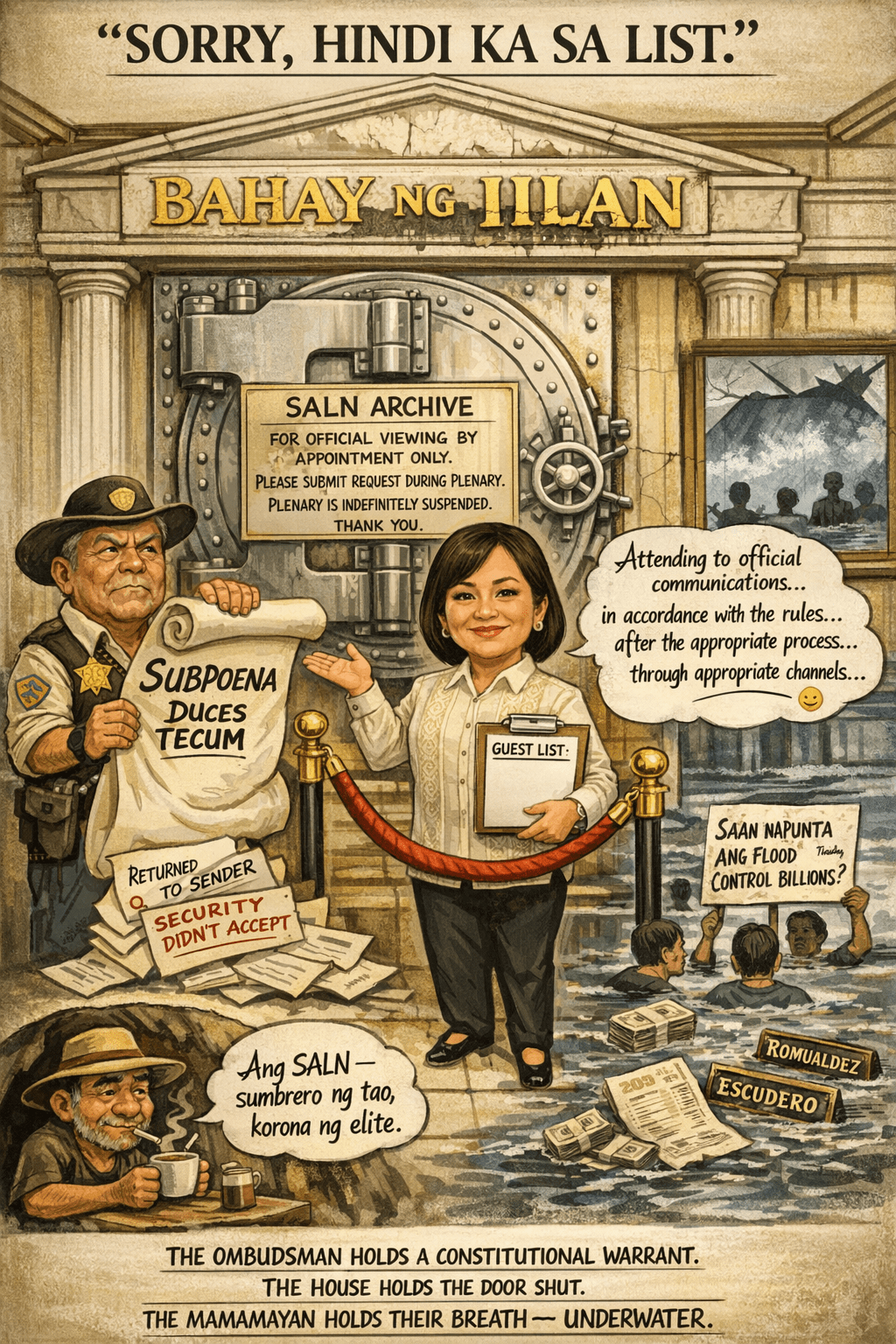
- Ombudsman Remulla Slams Garafil: Release SALNs or Face Suspension!
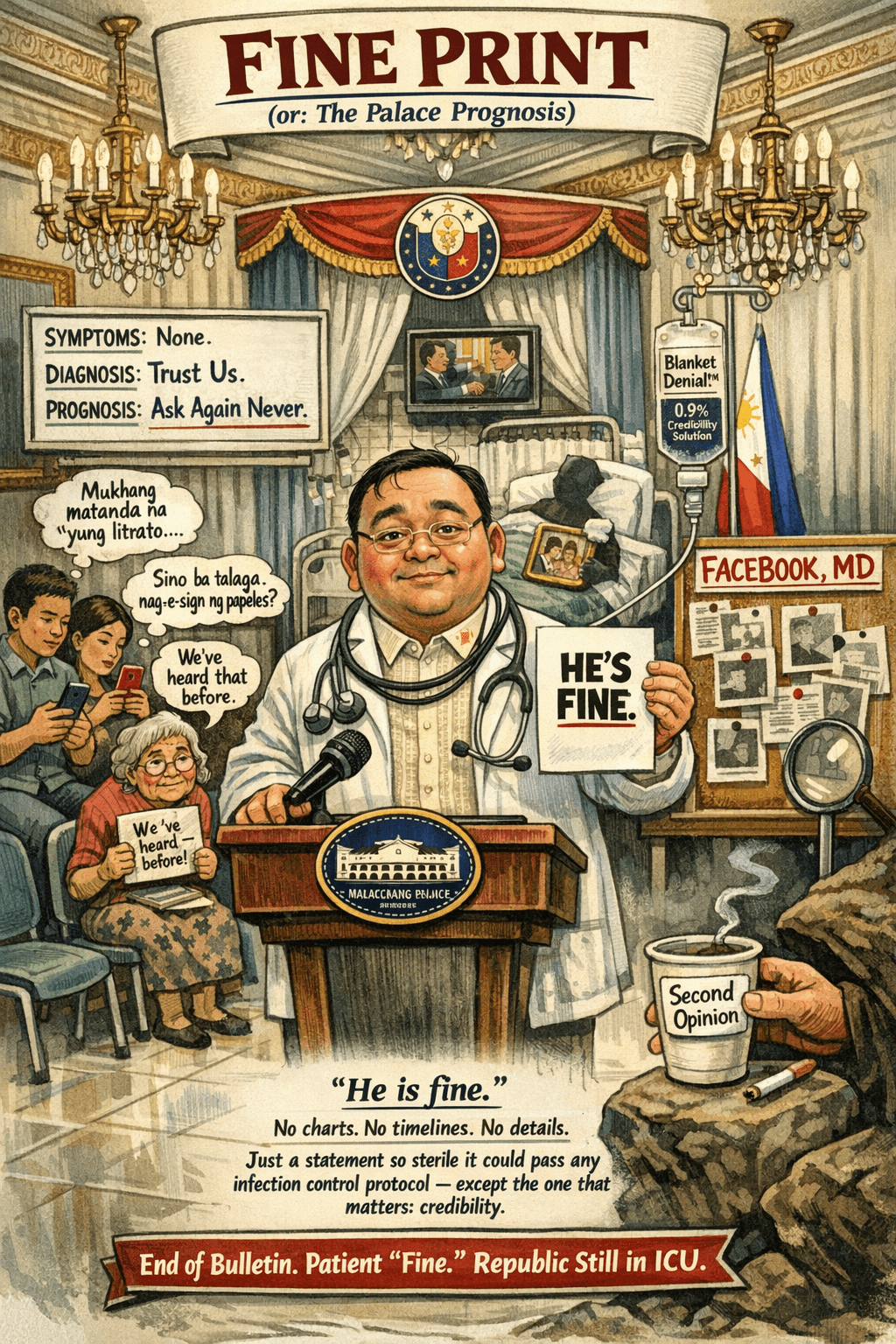
- MALACAÑANG MEDICAL BULLETIN: PATIENT IS ‘FINE,’ SYMPTOMS INCLUDE DENIAL

- NAIA Theft Scandal 2026: DOTr’s “Zero Tolerance” Warning After Screeners Rob Australian Tourist

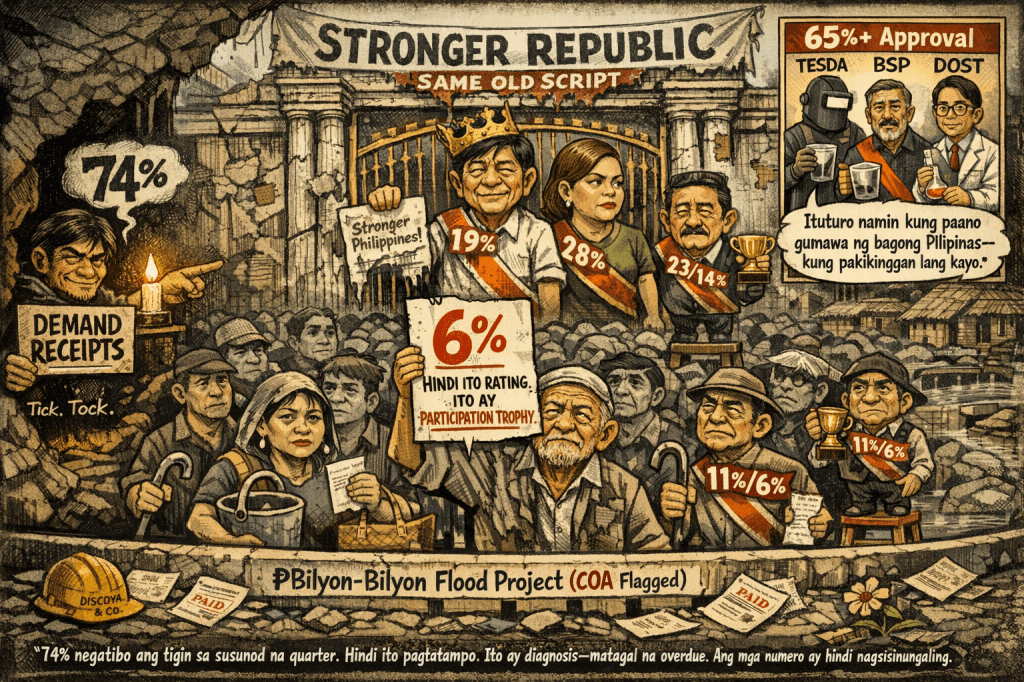
- 74% Negative Outlook: Filipinos Finally Demand Receipts, Not Promises
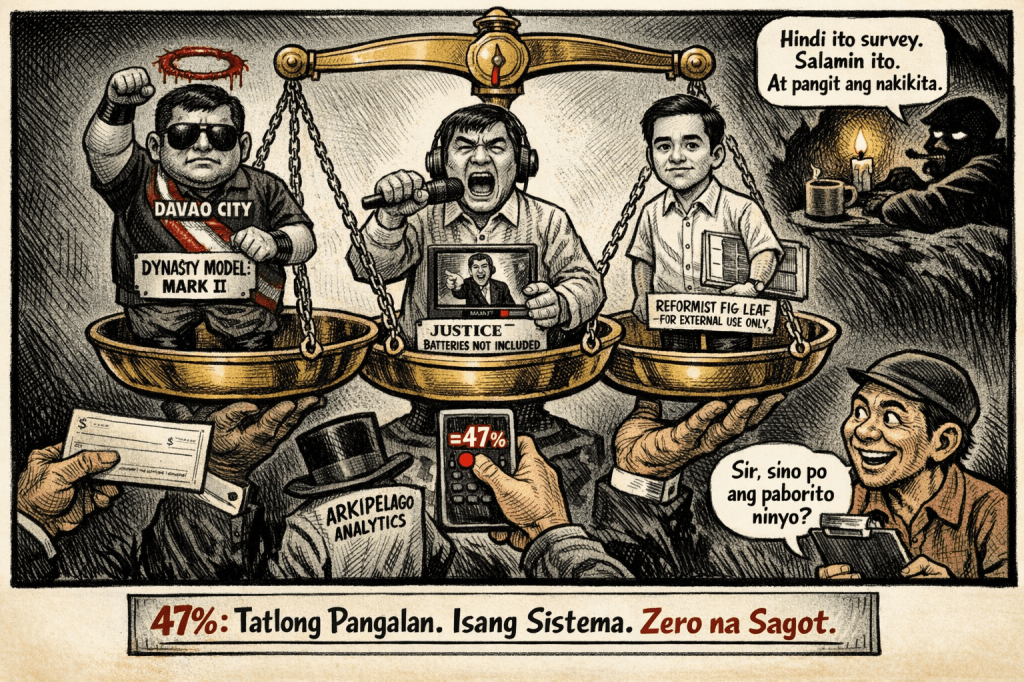
- Baste, Raffy, Vico at 47%—Philippine Democracy’s Most Honest Mirror (And It’s Ugly)


 KWEBA ni BAROK
Leave a comment