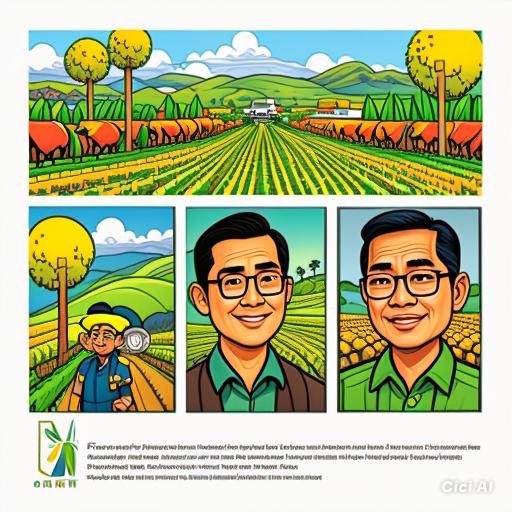
By Louis ‘Barok‘ C. Biraogo
In the twilight of a sweltering Philippine day, amid the verdant fields that have fed generations, a revolution is quietly taking root. Francisco “Kiko” Tiu Laurel Jr., the country’s Department of Agriculture (DA) Secretary, is spearheading a transformative vision that could very well determine the future of Filipino farming. As the average age of Filipino farmers edges perilously close to 60, the urgency to revitalize this aging sector has never been more acute. Laurel’s ambitious plan hinges on a singular, potent force: technology.
Agriculture, the bedrock of human civilization, has always been shaped by the tools and methods at its disposal. From the rudimentary stone sickles of ancient Mesopotamia to the sophisticated plows that revolutionized Medieval Europe, each technological leap has redefined our capacity to cultivate the land. The 20th century saw the advent of mechanized farming equipment, synthetic fertilizers, and genetically modified crops, which collectively spurred the Green Revolution and vastly increased agricultural productivity. Yet, the Philippines, with its rich soil and favorable climate, has lagged behind in fully embracing these advancements.
Laurel’s push for technology-driven farming seeks to bridge this gap. He cites the remarkable progress made in Hermosa and Dinalupihan, Bataan, where innovative methods such as small water impounding systems, fertigation techniques, and drip irrigation have slashed fertilizer use by up to 70% and water consumption by 30%. These technologies optimize resource efficiency, reduce costs, and enhance yields, embodying the very essence of sustainable agriculture.
The potential benefits of modern agricultural technology are manifold. Greenhouse facilities, for instance, have transformed farming in South Korea, allowing for year-round cultivation, greater control over growing conditions, and significant increases in productivity. The Netherlands, despite its limited land area, has become a global agricultural powerhouse through the extensive use of greenhouse farming and advanced logistics, exporting billions of dollars’ worth of produce annually.
In the Philippines, embracing such technologies could be a game-changer. Advanced irrigation systems can mitigate the impact of droughts, which are becoming increasingly frequent and severe due to climate change. Precision farming, which utilizes GPS and IoT technologies, can enable farmers to manage their fields with pinpoint accuracy, applying water, fertilizers, and pesticides only where needed. Drones and remote sensing can monitor crop health and soil conditions, allowing for timely interventions and reducing crop losses.
Laurel’s vision also includes fostering a new generation of tech-savvy farmers. By integrating modern farming techniques into agricultural education, he aims to equip young landowners and tenants with the skills necessary to thrive in a digital age. This approach is crucial, as attracting the youth to farming requires demonstrating that it can be both profitable and intellectually stimulating.
Financial support is another cornerstone of Laurel’s strategy. He advocates for increased access to government-backed loans and robust crop insurance coverage to reduce the financial risks associated with adopting new technologies. Drawing inspiration from Vietnam’s agricultural policies, which provide subsidies and guaranteed earnings for farmers, Laurel underscores the need for similar support mechanisms in the Philippines.
Laurel’s four-year plan is a comprehensive roadmap to revitalizing Philippine agriculture. By promoting mechanization, improving post-harvest systems, expanding market access, and leveraging digitalization, he aims to boost agri-fishery production and ensure food security. Strengthening partnerships with farmers, fisherfolk, and the private sector will be essential to achieving these goals.
The stakes are high. If successful, Laurel’s initiative could usher in a new era of agricultural prosperity, ensuring that the fields of the Philippines continue to flourish for generations to come. But the path forward is fraught with challenges. Implementing such sweeping changes will require not only financial investment but also overcoming entrenched resistance to change and ensuring that the benefits of technology reach even the most marginalized farmers.
In this critical moment, the Philippines stands on the cusp of a new agricultural revolution. Embracing technological advancements is not merely an option; it is a necessity. As Laurel aptly puts it, making farming profitable and sustainable is the key to securing the future of Philippine agriculture. The question now is whether the nation can muster the collective will to turn this vision into reality.
The answer lies in the hands of its people, its policymakers, and the resolve of leaders like Francisco Tiu Laurel Jr. to champion a cause that could redefine the very landscape of the country.

- Ombudsman Remulla Slams Garafil: Release SALNs or Face Suspension!

- MALACAÑANG MEDICAL BULLETIN: PATIENT IS ‘FINE,’ SYMPTOMS INCLUDE DENIAL

- NAIA Theft Scandal 2026: DOTr’s “Zero Tolerance” Warning After Screeners Rob Australian Tourist

- 74% Negative Outlook: Filipinos Finally Demand Receipts, Not Promises
- Baste, Raffy, Vico at 47%—Philippine Democracy’s Most Honest Mirror (And It’s Ugly)
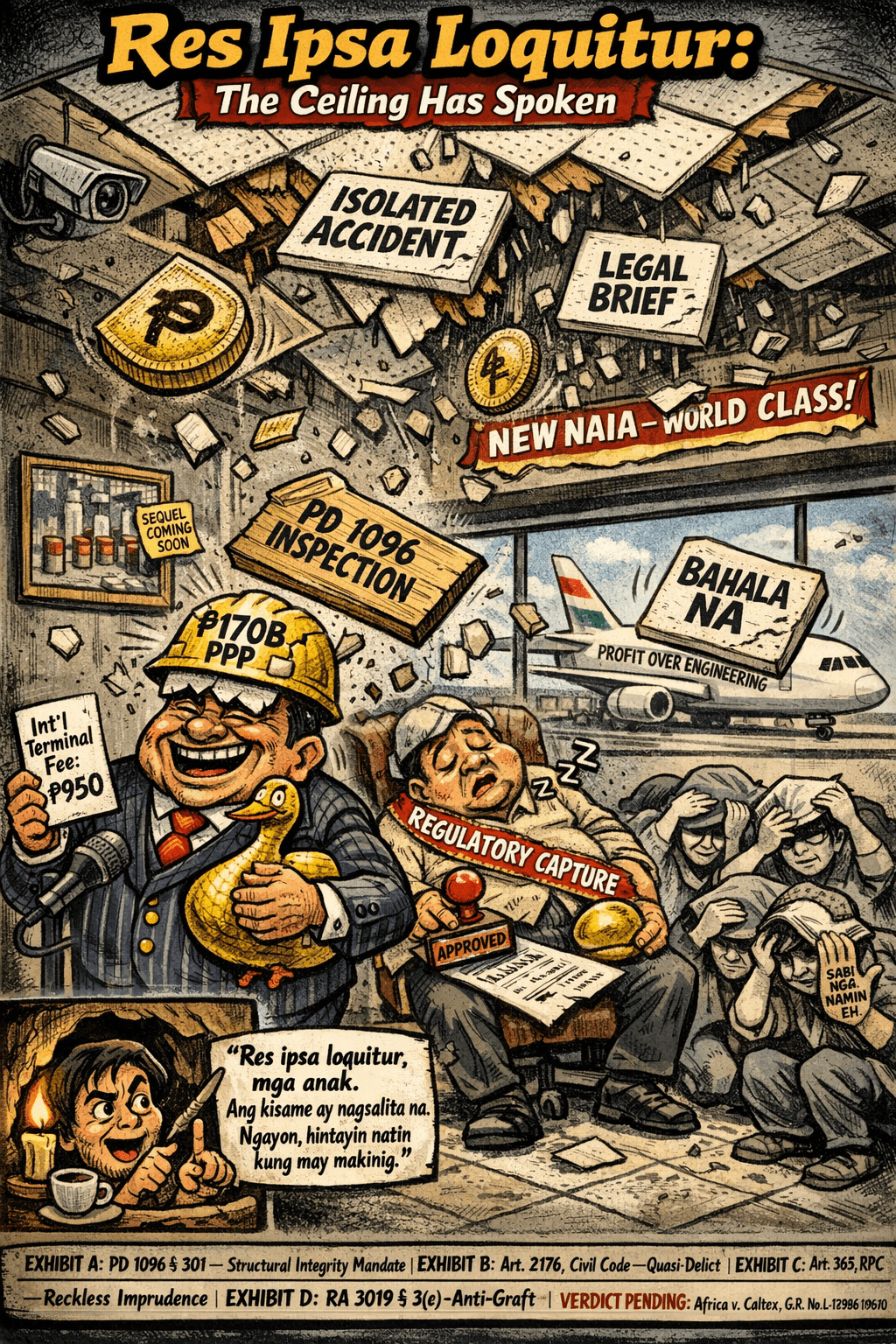
- NAIA Ceiling Collapse: Plywood Prayer or Pure Negligence?
- Suicide by Gas Deal: Carpio Slams Palace Gaslighting on China Oil Pact
- No Toll, Just Soul: How the Philippines Groveled for Iranian “Safe Passage”




 KWEBA ni BAROK
Leave a comment