
By Louis ‘Barok‘ C. Biraogo
In the unpredictable theater of Philippine politics, few narratives are more riveting than the rise and fall of public figures. Recently, the political stage has been set ablaze by the sharp decline in Vice President Sara Duterte’s approval and trust ratings, as revealed by the latest PUBLiCUS Asia survey. This drop, from 53 percent to 46 percent in approval and from 46 percent to 41 percent in trust, signals a significant shift in the political winds. But what are the undercurrents driving this change, and what might this mean for Duterte’s potential 2028 presidential bid?
Historically, Filipino voters have demonstrated a nuanced and often volatile relationship with their leaders, driven by a complex interplay of personal charisma, political alliances, and public perception of governance. Sara Duterte, daughter of the controversial former President Rodrigo Duterte, has long enjoyed a solid base of support, particularly in Mindanao, where her approval ratings have plummeted from 75 percent to 68 percent. This decline in her stronghold raises urgent questions about the factors at play.
One critical element is the recent leadership shakeup, culminating in Duterte’s resignation as Secretary of Education. This move, occurring at the end of the survey period, might not have fully impacted the current ratings but casts a long shadow over public perception. Her tenure at the Department of Education was marked by ambitious reforms but also by controversies over curriculum changes and allegations of mismanagement. The resignation could be perceived as an admission of failure or as a strategic retreat, either of which could undermine her credibility.
Another significant factor is the broader political context. The drop in Duterte’s ratings in North Central Luzon (from 47 percent to 38 percent) mirrors a similar decline for President Ferdinand Marcos Jr. in his baluarte, suggesting regional discontent that might be spilling over to affect other allied figures. This could indicate a broader dissatisfaction with the current administration’s performance, impacting those closely associated with it.
Moreover, the behavior of Filipino voters historically reflects a sharp sensitivity to leadership efficacy and integrity. Any perception of nepotism, corruption, or inefficiency can quickly erode public trust. Duterte’s association with the Marcos administration, which has its own baggage of historical controversies and allegations, might be dragging her down. The electorate’s reaction to perceived failures or connections to problematic regimes is swift and often unforgiving.
Duterte’s decline is further compounded by the performance of other key political figures. Senator Francis Escudero’s significant drop in trust and approval ratings, potentially linked to his ties with the Marcos regime, reflects a broader distrust in the political elite. In contrast, Chief Justice Alexander Gesmundo and House Speaker Martin Romualdez have shown resilience in their ratings, indicating a selective but critical electorate.
Looking ahead to 2028, this decline in ratings poses a formidable challenge for Sara Duterte’s presidential ambitions. The erosion of her base in Mindanao is particularly concerning; regaining this trust will require substantial effort and tangible results in governance. Moreover, her ability to distance herself from the negative aspects of the current administration and to present a compelling, independent vision for the country will be crucial.
To counter this decline and revitalize her political fortunes, Duterte must focus on transparency, effective governance, and robust public engagement. Addressing the issues that led to her resignation from the Department of Education with clarity and proposing concrete solutions could help rebuild her image. Furthermore, fostering alliances with untainted political figures and emphasizing her commitment to public service over political maneuvering will be essential.
The narrative unfolding in the Philippines is one of suspense and high stakes, with Sara Duterte at a critical juncture. The next few years will be pivotal in determining whether she can overcome these setbacks and emerge as a viable contender for the presidency, or if her political story will serve as a cautionary tale of unfulfilled potential.

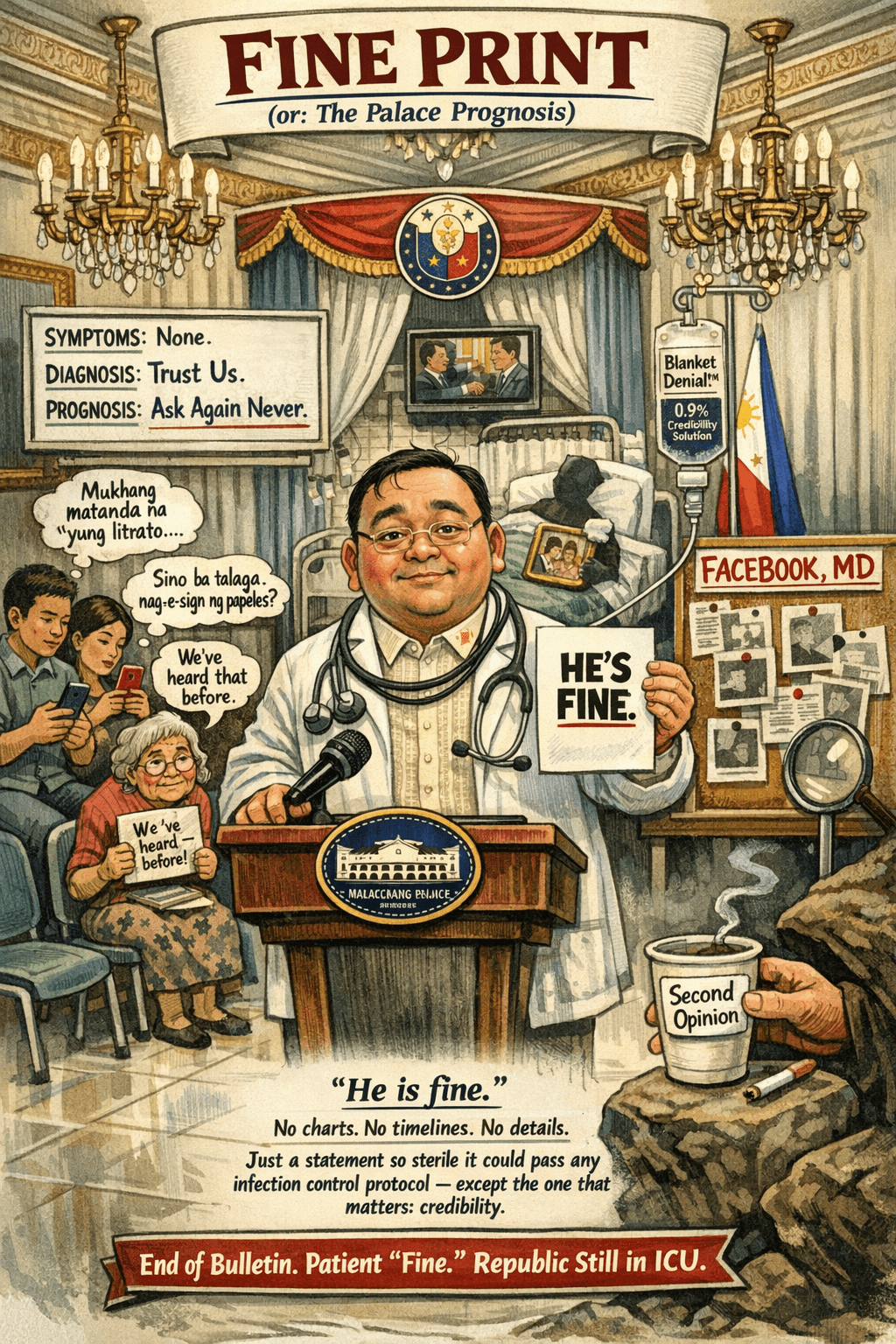
- MALACAÑANG MEDICAL BULLETIN: PATIENT IS ‘FINE,’ SYMPTOMS INCLUDE DENIAL
- NAIA Theft Scandal 2026: DOTr’s “Zero Tolerance” Warning After Screeners Rob Australian Tourist
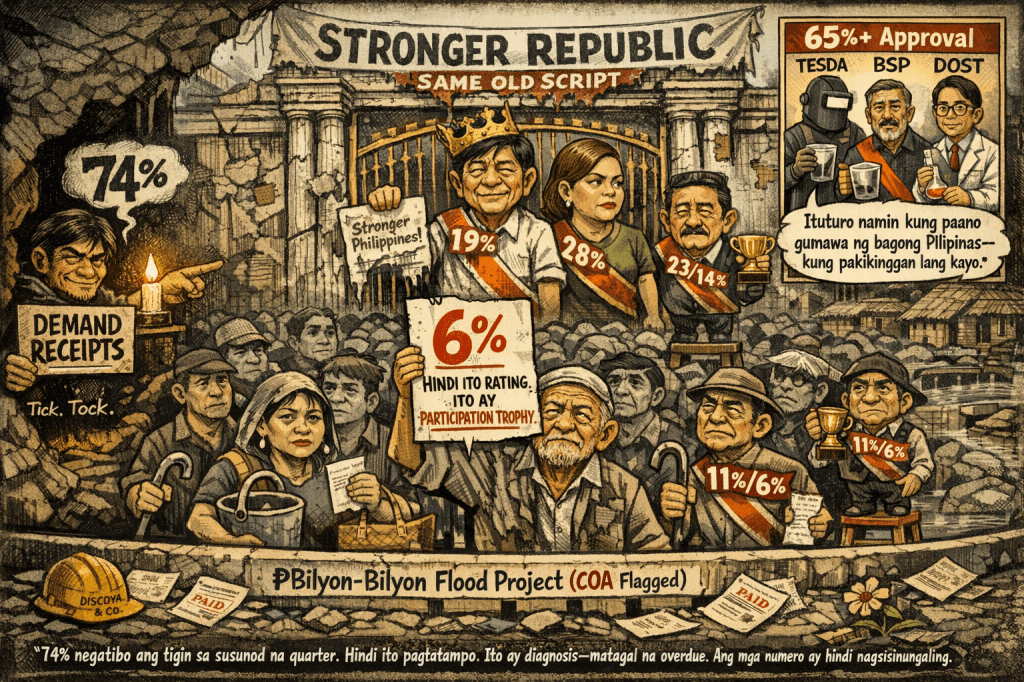
- 74% Negative Outlook: Filipinos Finally Demand Receipts, Not Promises
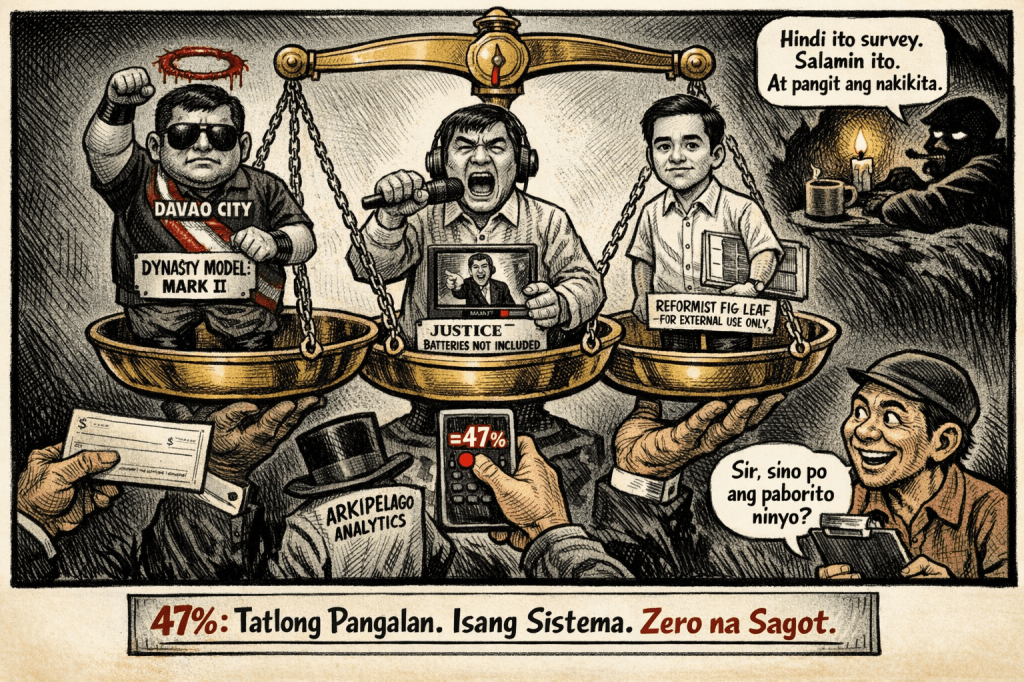
- Baste, Raffy, Vico at 47%—Philippine Democracy’s Most Honest Mirror (And It’s Ugly)
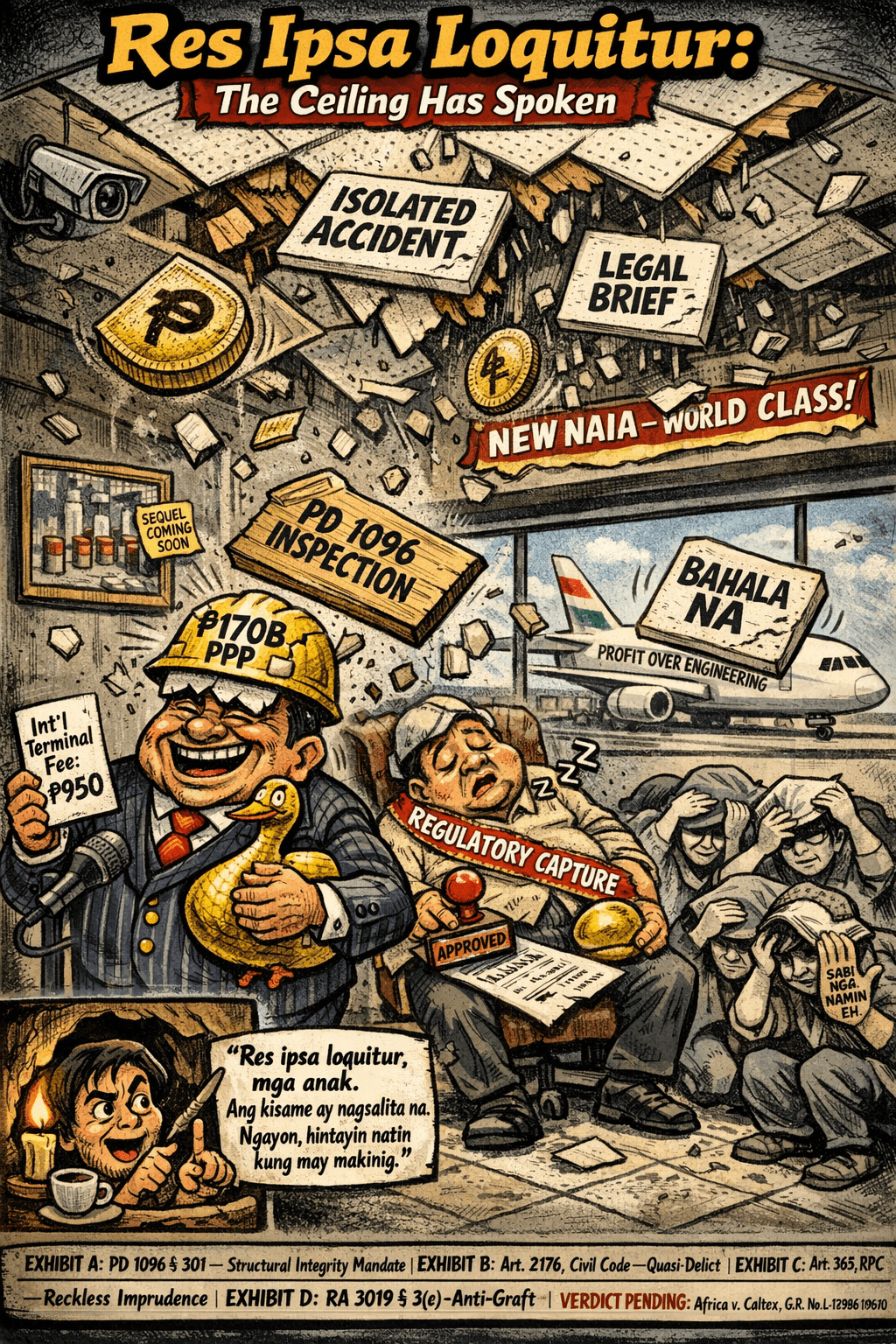
- NAIA Ceiling Collapse: Plywood Prayer or Pure Negligence?

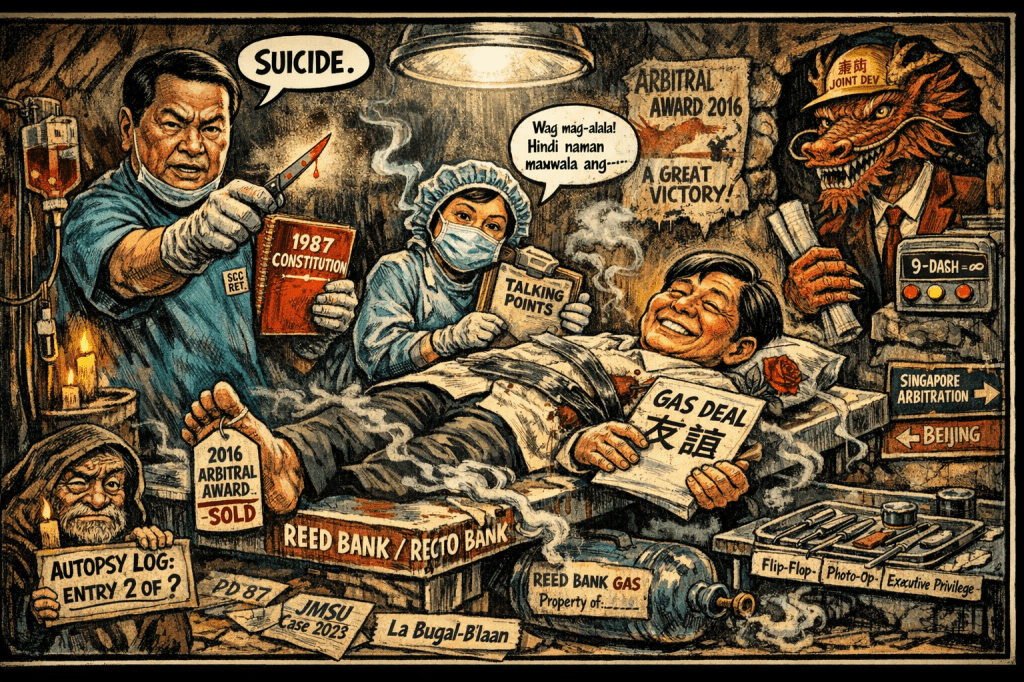
- Suicide by Gas Deal: Carpio Slams Palace Gaslighting on China Oil Pact
- No Toll, Just Soul: How the Philippines Groveled for Iranian “Safe Passage”

- Don Quixote of the Archipelago: Payoyo Tilts at UNCLOS Windmills


 KWEBA ni BAROK
Leave a comment