
By Louis ‘Barok‘ C. Biraogo
As the Philippines navigates the treacherous waters of international diplomacy, the unpredictability of US foreign policy casts a long shadow over its security strategy. Recent remarks from former President Donald J. Trump have raised alarms about America’s commitment to its allies, particularly as China’s assertiveness in the South China Sea intensifies. Analysts warn that Manila must brace itself for the possibility of facing Beijing’s aggression without the reliable support of its long-standing ally.
The US-Philippines alliance, cemented by the 1951 Mutual Defense Treaty (MDT), has been a cornerstone of regional security. This treaty stipulates that both nations would come to each other’s aid in the event of an armed attack. Historically, the alliance has provided a significant deterrent against external threats. However, the recent political climate in the United States suggests that this security blanket may be fraying. The fluctuating stances of US leadership, especially under Trump’s potential return, signal a shift towards a more transactional and less predictable foreign policy.
The Perils of Over-Reliance on the MDT
Manila’s reliance on the MDT in its territorial disputes with China may be increasingly precarious. Several reasons underscore the need for a more diversified security approach:
1. Legal and Historical Precedents: The MDT, while a powerful symbol of US commitment, does not guarantee automatic military support. Article V of the treaty specifies that an armed attack in the Pacific Area on either party would be dangerous to its peace and safety, and declares that each would act to meet the common dangers in accordance with its constitutional processes. This clause provides the US with considerable discretion, potentially delaying or limiting its response.
2. Unpredictable US Policy: Trump’s skepticism towards international alliances, as demonstrated by his past criticisms of NATO and ambiguous stance on defending allies, raises doubts about the US’s willingness to intervene. The political turbulence in Washington, highlighted by contentious debates and divergent foreign policy perspectives, suggests that Manila cannot afford to place all its strategic eggs in the American basket.
3. Expert Opinions: Philippine analysts like Joshua Bernard B. Espeña and Chester B. Cabalza emphasize the need for Manila to bolster its own defense capabilities and forge stronger ties with regional powers. The unpredictability of US commitments, especially under a protectionist administration, could leave the Philippines vulnerable at critical moments.
Strategic Recommendations for Manila
To mitigate the risks of over-reliance on the MDT, the Philippines should consider a multi-faceted approach:
1. Strengthening Regional Alliances: Manila must deepen its security and economic ties with other Asian nations. Partnerships with Japan, Australia, and India can serve as crucial counterbalances to China’s regional ambitions. These nations share common concerns about Beijing’s assertiveness and can offer collaborative defense initiatives.
2. Enhancing Self-Reliant Defense Posture: The Philippine military needs significant investment and modernization to develop a more self-reliant defense capability. This includes enhancing naval and air power to better patrol and defend its maritime territories. A robust military deterrent would reduce dependency on external support and signal a stronger stance against incursions.
3. Diversifying Diplomatic Engagements: Beyond traditional allies, Manila should explore closer ties with other regional players like South Korea and Taiwan, which have demonstrated consistent support for maintaining a rules-based international order. Engaging with ASEAN partners on collective security mechanisms can also provide a regional buffer against unilateral actions by China.
4. Reassessing the MDT: While maintaining the MDT as a strategic asset, the Philippines should advocate for clearer, more binding commitments from the US. This could involve renegotiating aspects of the treaty to ensure more immediate and unequivocal support in the event of Chinese aggression.
5. Leveraging International Law: Manila should continue to leverage international legal avenues, such as the Permanent Court of Arbitration’s 2016 ruling in its favor against China’s claims in the South China Sea. Strengthening diplomatic efforts to gain broader international support for this ruling can help isolate China and legitimize the Philippines’ stance.
Conclusion
The Philippines stands at a crossroads, where over-reliance on a volatile US foreign policy could jeopardize its national security. By broadening its strategic horizons and fortifying regional alliances, Manila can better navigate the geopolitical storm brewing in the South China Sea. As history has shown, a diversified and self-reliant defense strategy is not just prudent—it is essential for safeguarding sovereignty in an increasingly uncertain world.

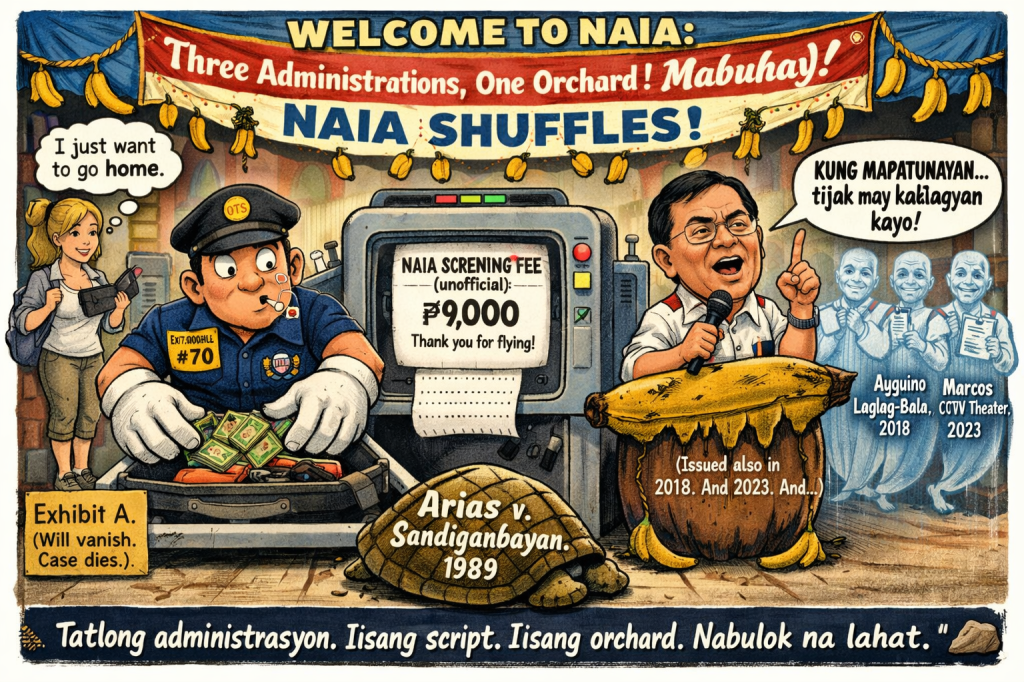
- NAIA Theft Scandal 2026: DOTr’s “Zero Tolerance” Warning After Screeners Rob Australian Tourist
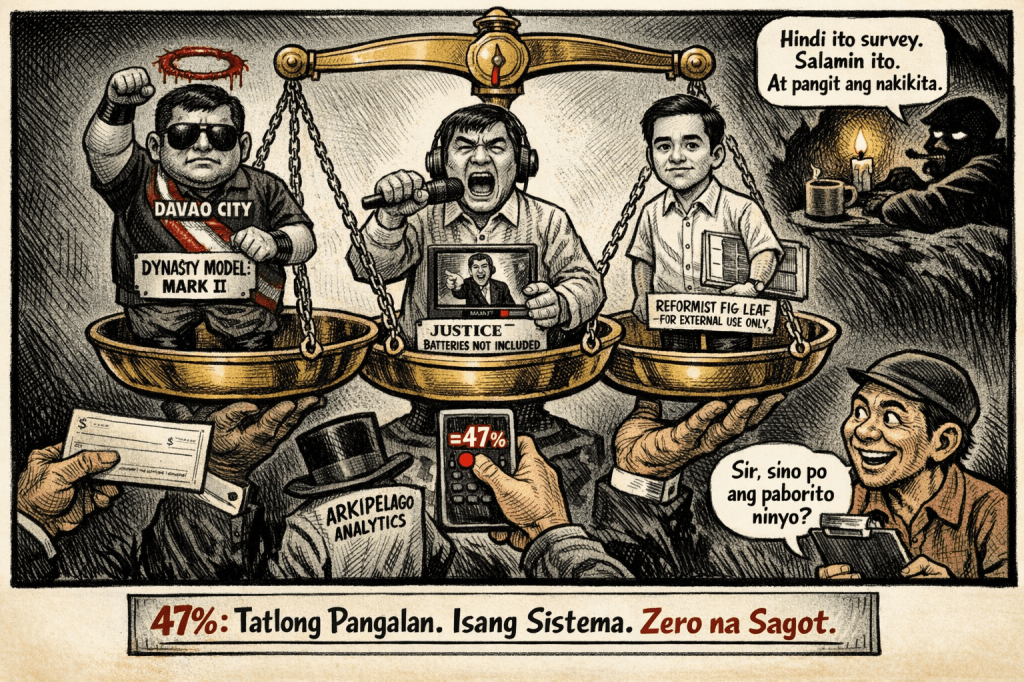
- Baste, Raffy, Vico at 47%—Philippine Democracy’s Most Honest Mirror (And It’s Ugly)
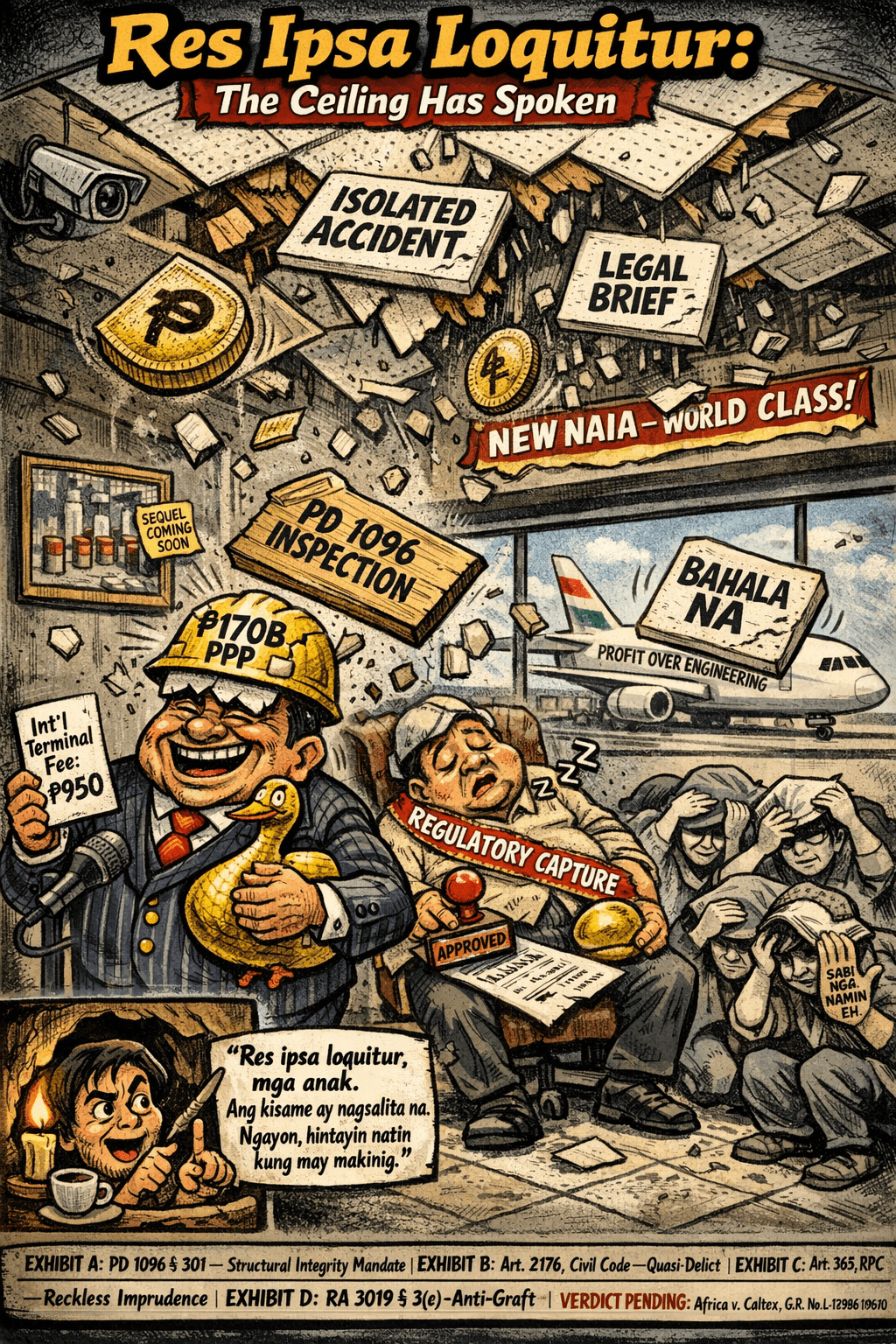
- NAIA Ceiling Collapse: Plywood Prayer or Pure Negligence?
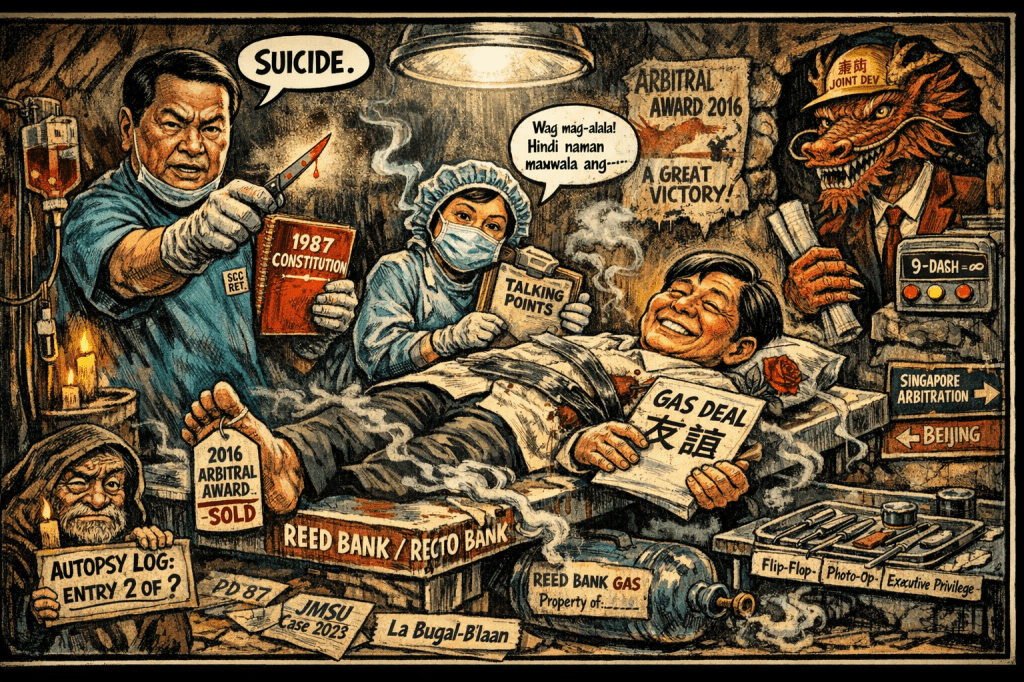
- Suicide by Gas Deal: Carpio Slams Palace Gaslighting on China Oil Pact
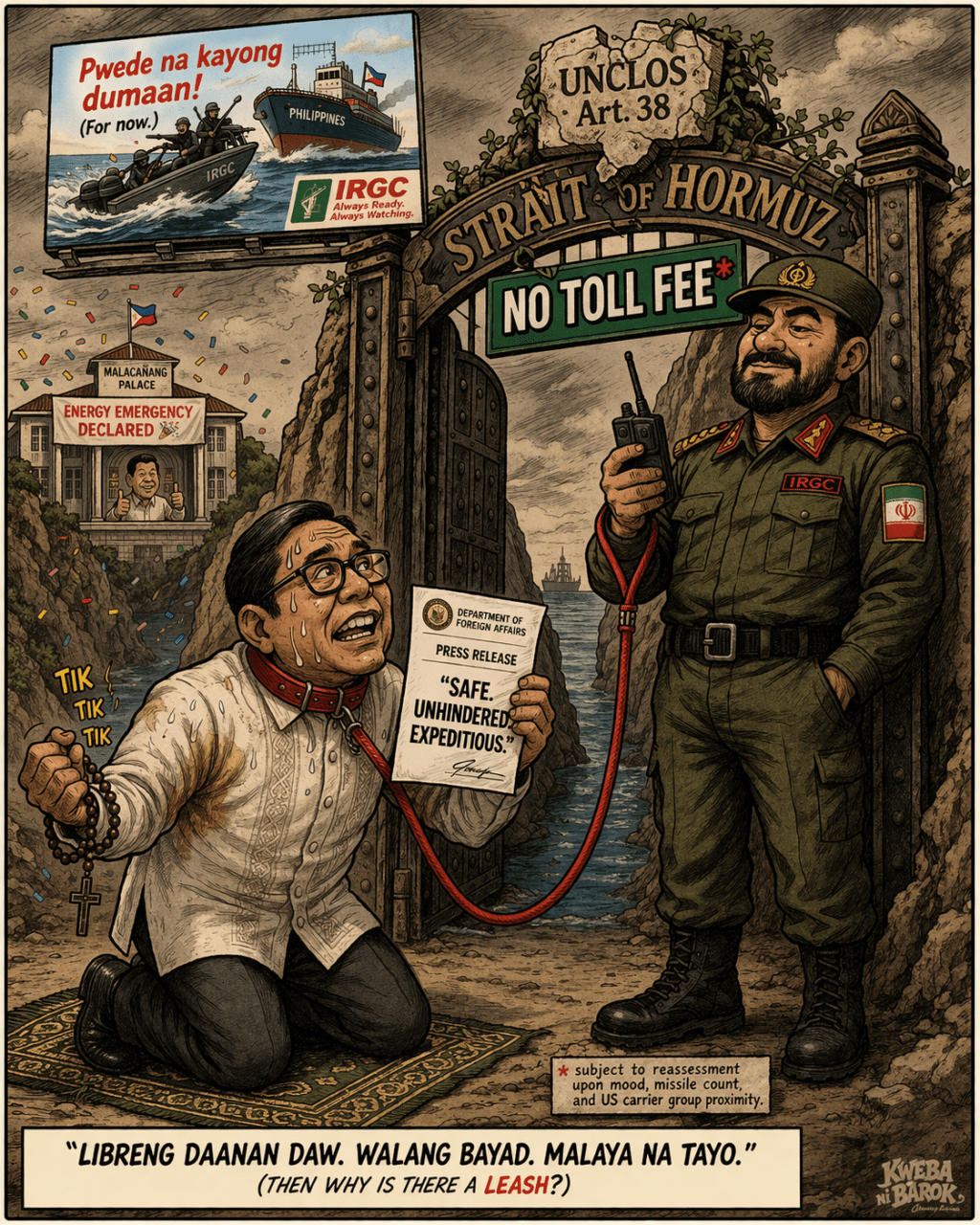
- No Toll, Just Soul: How the Philippines Groveled for Iranian “Safe Passage”
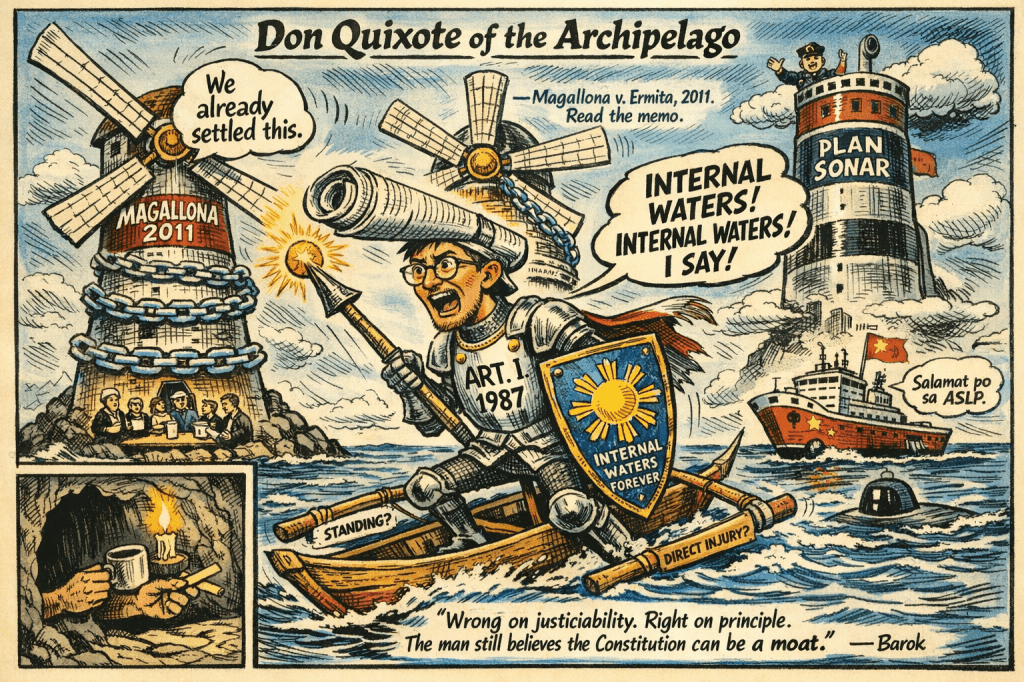
- Don Quixote of the Archipelago: Payoyo Tilts at UNCLOS Windmills
- Name Wars in the West PH Sea: Manila’s Map Trick vs. China’s Gunboat Tantrum
- Mayor Awingan’s Holy Hypocrisy: Liquor Ban or Church-State Violation?

 KWEBA ni BAROK
Leave a comment