By Louis ‘Barok‘ C. Biraogo
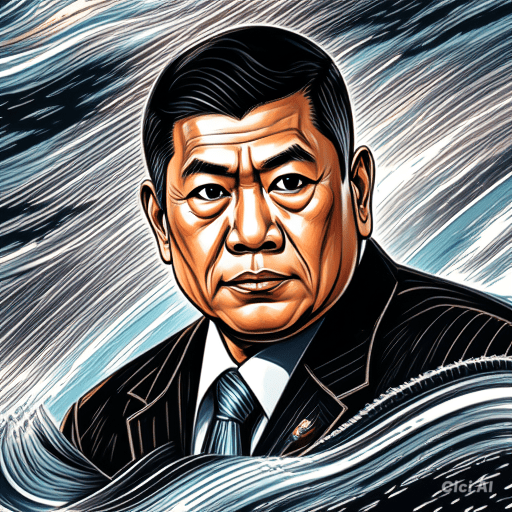
In a stunning turn of events, former Philippine President Rodrigo Duterte has emerged from the political shadows to make a bold declaration: the West Philippine Sea is unequivocally part of the Philippines’ exclusive economic zone. The timing and the platform—a press conference on Sonshine Media Network International—suggest a calculated move to reignite a contentious issue that has simmered in the South China Sea.
Duterte’s pronouncements carry a weighty significance. His assertion that the contested waters are rightfully Philippine territory challenges China’s narrative of a so-called gentleman’s agreement between his administration and Beijing. This statement, laden with nationalistic fervor, could shift the regional dynamics and reverberate through diplomatic channels from Manila to Beijing and beyond.
The Crux of Duterte’s Assertion
Duterte’s unequivocal stance that the West Philippine Sea is “atin talaga ‘yan” (it is really ours) directly contradicts China’s expansive claims over the South China Sea. This bold pronouncement harks back to the 2016 Hague ruling, which invalidated China’s claims based on the nine-dash line—a decision that Beijing has steadfastly ignored. Duterte’s latest statements, however, mark a significant pivot from his previous, more conciliatory approach towards China during his presidency.
The Diplomatic and Geopolitical Fallout
From a diplomatic perspective, Duterte’s remarks could embolden current Philippine leadership to adopt a more assertive stance in protecting its maritime rights. This shift might also galvanize other Southeast Asian nations, who have similarly been ensnared in territorial disputes with China, to assert their claims with renewed vigor.
On the other side of the spectrum, Beijing is likely to react with a mix of indignation and strategic recalibration. China’s claims over the South China Sea are not merely about territorial sovereignty but are deeply intertwined with its strategic interests and national pride. Duterte’s declaration undermines the carefully constructed narrative of a bilateral understanding, potentially escalating tensions in an already volatile region.
Impacts on Regional Stability and International Relations
For the broader international community, Duterte’s pronouncements could prompt a recalibration of the United States’ and its allies’ strategies in the Indo-Pacific. An emboldened Philippines might seek stronger military and diplomatic support from the U.S., Japan, and Australia, thereby intensifying the great power competition in the region.
Moreover, the Association of Southeast Asian Nations (ASEAN) might find itself at a crossroads. Member states must navigate the delicate balance of asserting their territorial claims while maintaining economic and diplomatic ties with China, a dominant regional power.
Recommendations: Navigating the Treacherous Waters
In light of Duterte’s provocative statements, it is imperative for the current Philippine administration to:
1. Reaffirm Sovereignty: Consistently assert the Philippines’ sovereignty over its exclusive economic zone in international forums, leveraging the 2016 Hague ruling as a legal backbone.
2. Strengthen Alliances: Deepen military and economic alliances with like-minded nations to bolster its position against potential Chinese aggression. Collaborative naval exercises and joint patrols in contested waters could serve as powerful deterrents.
3. Engage in Diplomatic Dialogue: While asserting its claims, the Philippines must also engage China in diplomatic dialogue to prevent escalation and find avenues for cooperation on less contentious issues like environmental protection and fisheries management.
4. Empower Regional Cooperation: Work within ASEAN to forge a unified stance on the South China Sea disputes, pushing for a binding code of conduct that includes dispute resolution mechanisms and respect for international law.
The Unfolding Saga
As this geopolitical drama unfolds, the world watches with bated breath. Duterte’s pronouncements have injected a new sense of urgency and unpredictability into the South China Sea dispute. The path ahead is fraught with challenges, but it is also ripe with opportunities for the Philippines to assert its rightful place in the regional order, guided by principles of sovereignty, international law, and strategic alliances.
In the high-stakes chess game of international diplomacy, Duterte’s bold move could either be a masterstroke or a perilous gamble. Only time will reveal the true impact of his words on the delicate balance of power in the South China Sea.

- Guilty Until Fact-Finding Ends: Chiz, Romualdez, and the Ombudsman’s Premature Verdict

- Ombudsman Remulla Slams Garafil: Release SALNs or Face Suspension!

- MALACAÑANG MEDICAL BULLETIN: PATIENT IS ‘FINE,’ SYMPTOMS INCLUDE DENIAL

- NAIA Theft Scandal 2026: DOTr’s “Zero Tolerance” Warning After Screeners Rob Australian Tourist

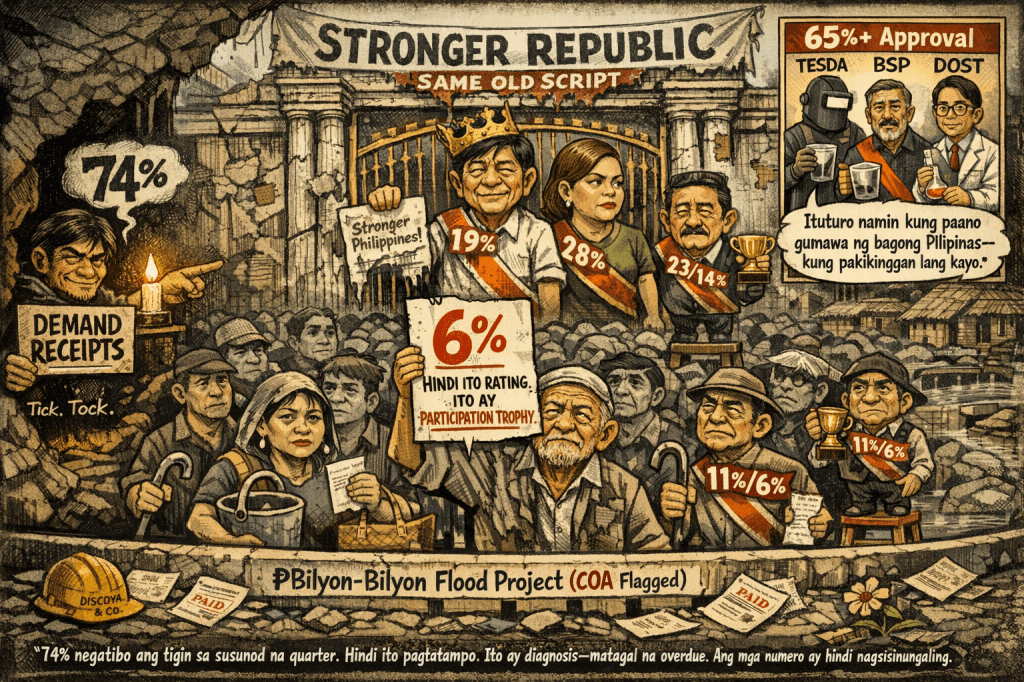
- 74% Negative Outlook: Filipinos Finally Demand Receipts, Not Promises

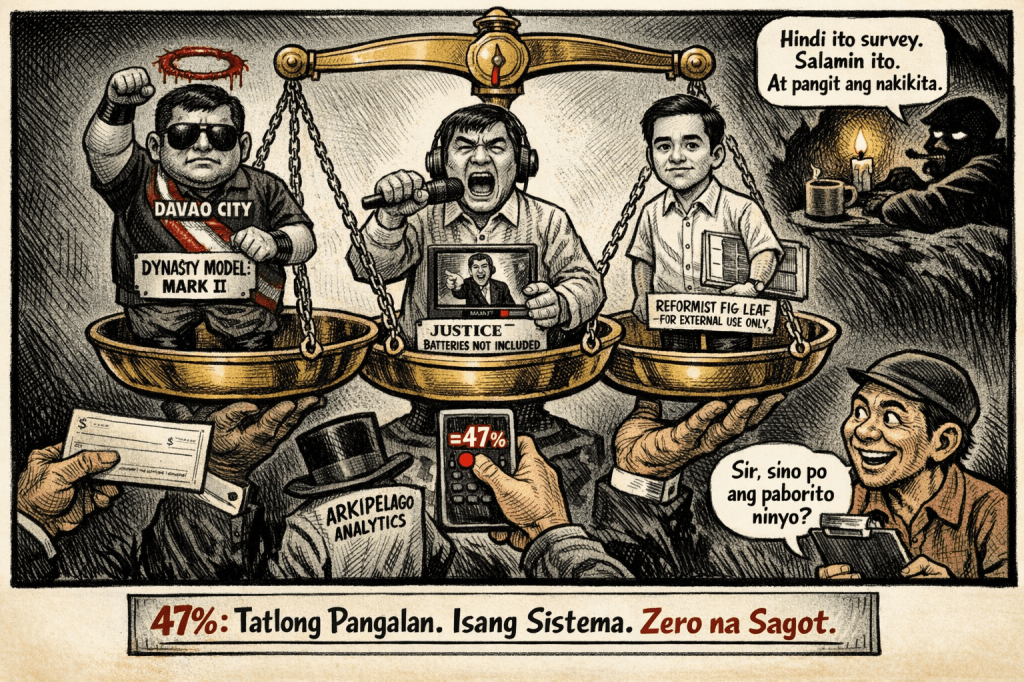
- Baste, Raffy, Vico at 47%—Philippine Democracy’s Most Honest Mirror (And It’s Ugly)

- NAIA Ceiling Collapse: Plywood Prayer or Pure Negligence?
- Suicide by Gas Deal: Carpio Slams Palace Gaslighting on China Oil Pact




 KWEBA ni BAROK
Leave a comment