
By Louis ‘Barok‘ C. Biraogo
As tensions rise in the Asia-Pacific, the Philippines finds itself at a crossroads, grappling with the implications of the Enhanced Defense Cooperation Agreement (EDCA) with the United States. The debate is fraught with high stakes, as articulated by UP professor Roland Simbulan, who contends that the EDCA sites transform the Philippines into a “target” for US adversaries. The validity of this assertion merits a deep dive into the historical context, strategic significance, and geopolitical ramifications of EDCA.
First, a bit of background: the EDCA, signed in 2014, is a critical extension of the Mutual Defense Treaty (MDT) between the Philippines and the US. The agreement allows US forces to rotate through Philippine bases and store defense equipment, supplies, and material. The intent is to enhance the interoperability of the two countries’ armed forces and bolster the Philippines’ defense capabilities.
Professor Simbulan’s critique hinges on the notion that EDCA compromises Philippine sovereignty and entangles the country in the rivalries of superpowers such as China and Russia. He argues that the presence of US military facilities on Philippine soil makes the country a de facto extension of US military might, thus attracting the ire of America’s geopolitical foes.
To debunk Simbulan’s assertions, several arguments come to the fore:
1. Enhanced Security and Defense Capabilities: EDCA significantly boosts the Philippines’ defense posture. Given the rising assertiveness of China in the South China Sea, having a robust military partnership with the US provides a strategic counterbalance. The prepositioning of defense equipment and the rotational presence of US forces can deter aggression and enhance the readiness of Philippine forces.
2. Economic and Technological Benefits: The construction and maintenance of EDCA sites bring economic benefits, including job creation and infrastructure development. Moreover, the transfer of technology and training from US forces can modernize the Philippine military, which is essential for maintaining sovereignty.
3. Historical Alliances and Mutual Defense: The Philippines has a long-standing military alliance with the US, underpinned by the MDT. EDCA is a natural extension of this relationship, ensuring that the Philippines remains a credible ally capable of responding to regional threats. This alliance has historically been a cornerstone of Philippine national security.
Conversely, supporting Simbulan’s arguments reveals several valid concerns:
1. Sovereignty and National Autonomy: The presence of foreign military bases on Philippine soil raises legitimate concerns about sovereignty. The Philippines’ reliance on US military support can be perceived as a compromise of its independence in making foreign policy decisions.
2. Geopolitical Risks: By aligning closely with the US, the Philippines risks becoming a battleground for superpower conflicts. The strategic importance of the South China Sea means that any military escalation involving US forces could draw the Philippines into a broader conflict, with dire consequences for its security and stability.
3. Domestic Opposition and Social Impact: The establishment of EDCA sites has faced opposition from various sectors within the Philippines. There are concerns about the social and environmental impacts of hosting foreign military facilities, as well as the potential for increased militarization.
From a broader perspective, assessing whether EDCA is beneficial for the Philippines involves weighing these conflicting arguments. Strategically, the agreement provides significant advantages in terms of defense capabilities and deterrence. However, the geopolitical and sovereignty-related risks cannot be ignored.
The question then becomes one of balance. Can the Philippines leverage EDCA to enhance its security while maintaining its sovereignty and mitigating the risks of entanglement in superpower conflicts? This delicate balance requires a nuanced foreign policy that seeks to maximize the benefits of the US alliance while fostering independent diplomatic relations with other major powers, including China and Russia.
Ultimately, the efficacy of EDCA will depend on its implementation and the broader strategic context. If managed wisely, it can be a pillar of Philippine national security. However, the government must remain vigilant, ensuring that the agreement does not compromise its autonomy or drag the country into unwanted conflicts.
In conclusion, the Philippines stands at a strategic juncture. As Professor Simbulan’s warnings echo through the corridors of power, it is imperative for the nation to navigate this complex landscape with both caution and clarity, aiming for a future where its sovereignty is preserved, and its security is assured.

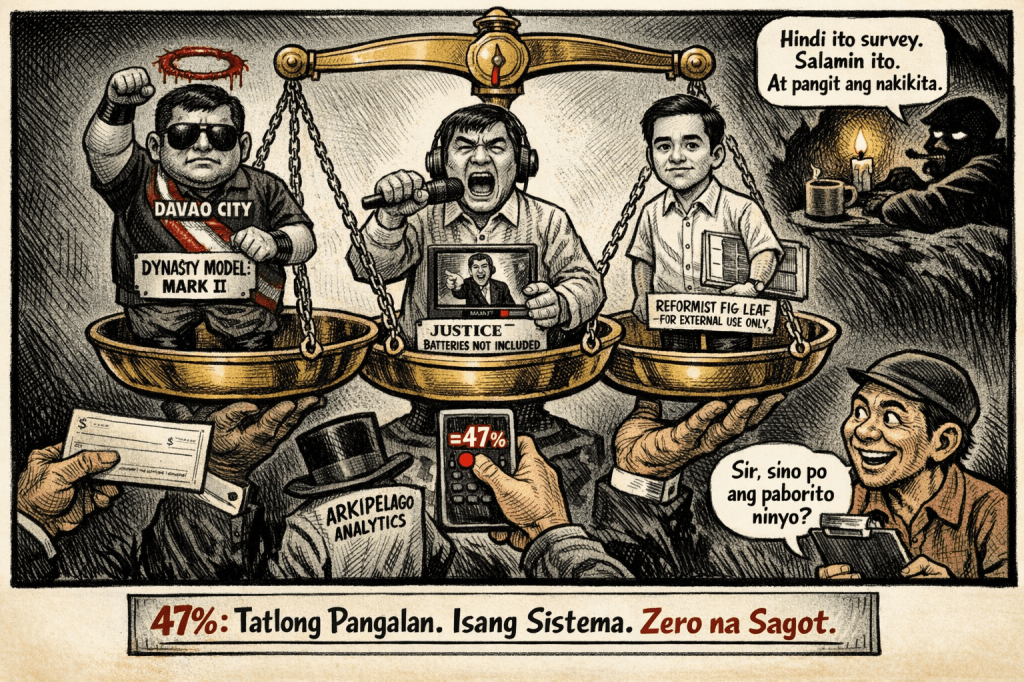
- Baste, Raffy, Vico at 47%—Philippine Democracy’s Most Honest Mirror (And It’s Ugly)

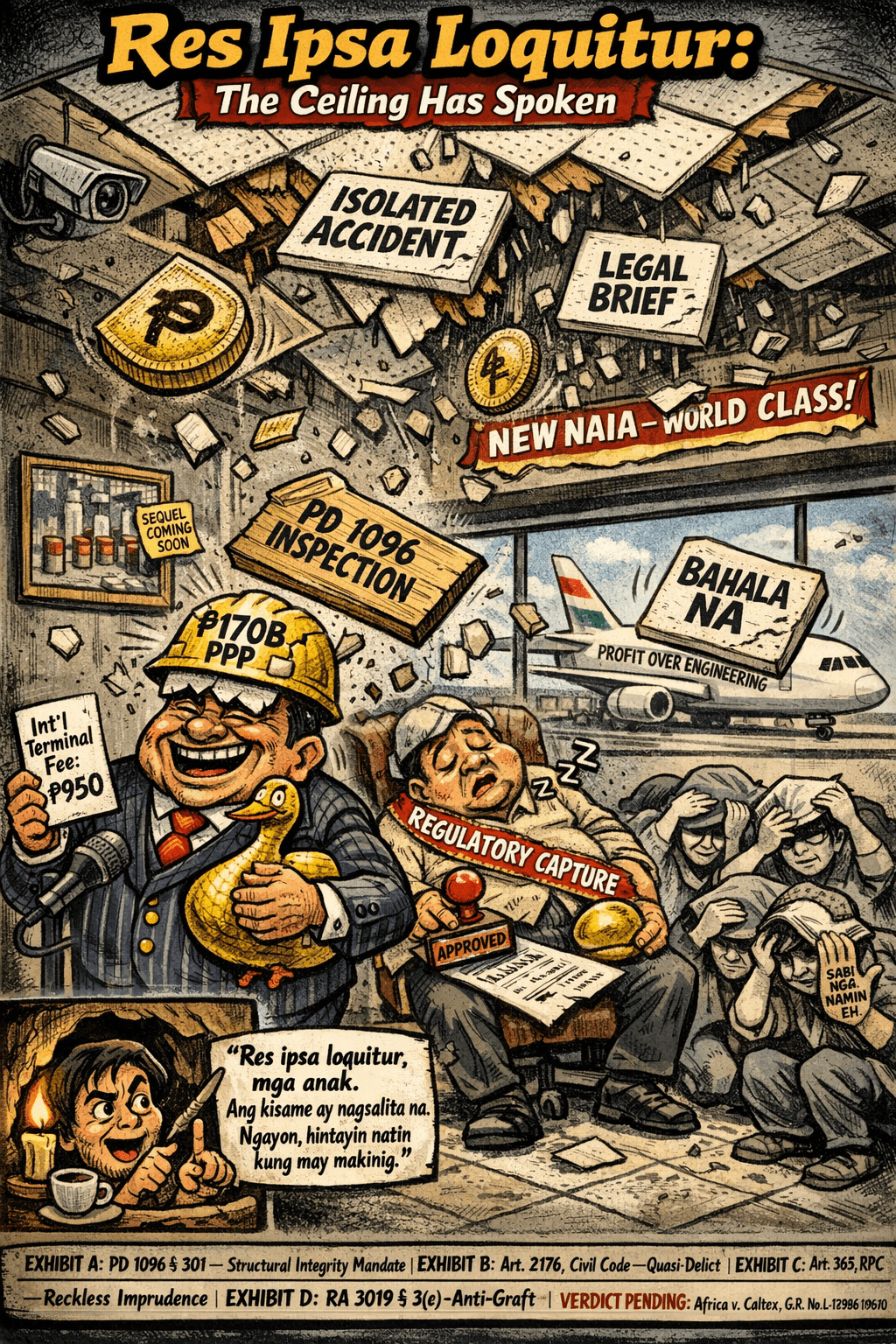
- NAIA Ceiling Collapse: Plywood Prayer or Pure Negligence?

- Suicide by Gas Deal: Carpio Slams Palace Gaslighting on China Oil Pact

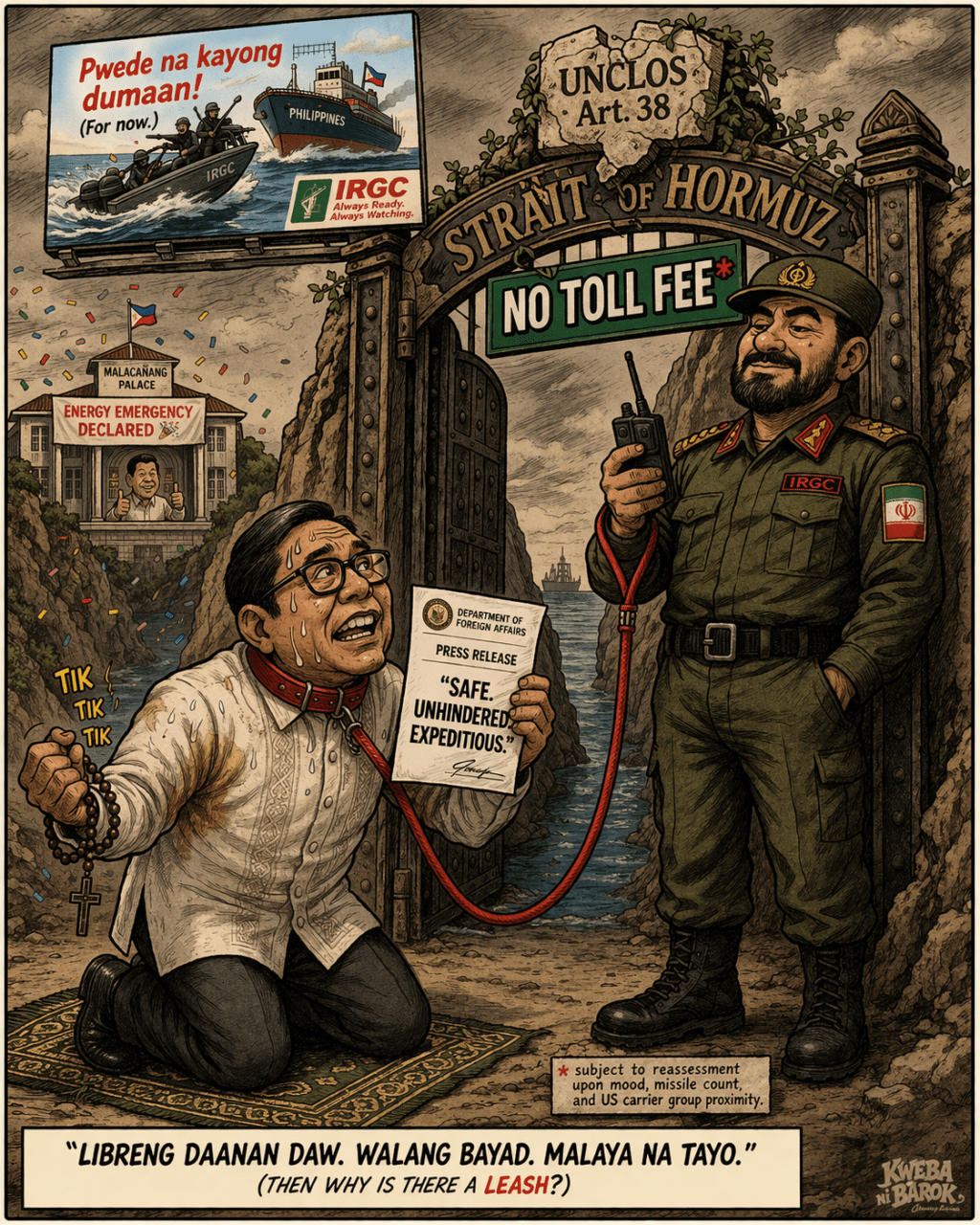
- No Toll, Just Soul: How the Philippines Groveled for Iranian “Safe Passage”

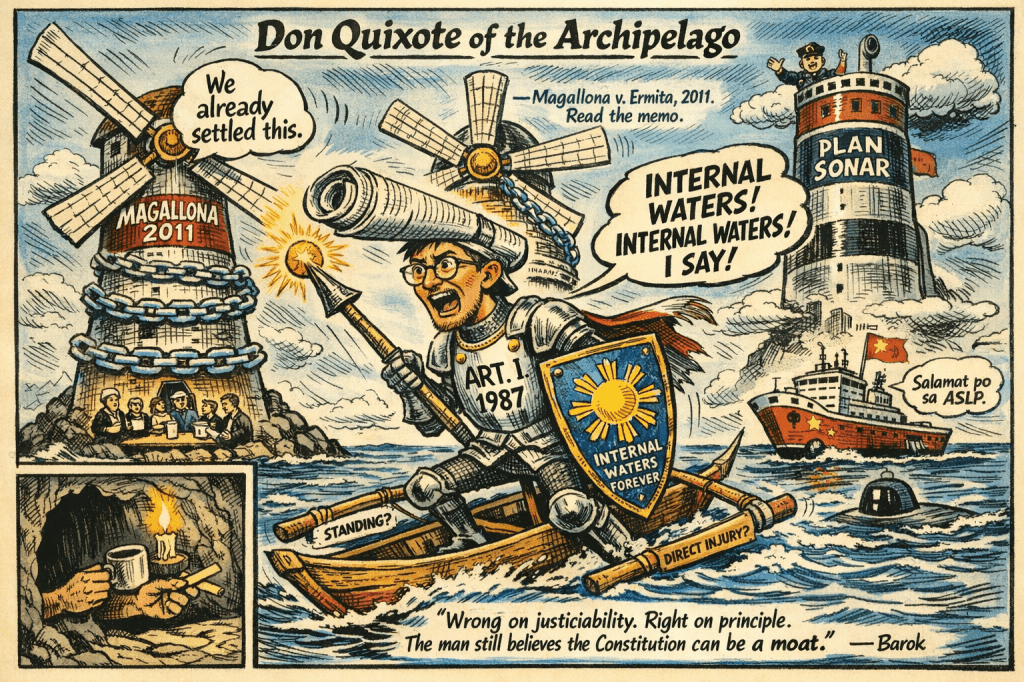
- Don Quixote of the Archipelago: Payoyo Tilts at UNCLOS Windmills

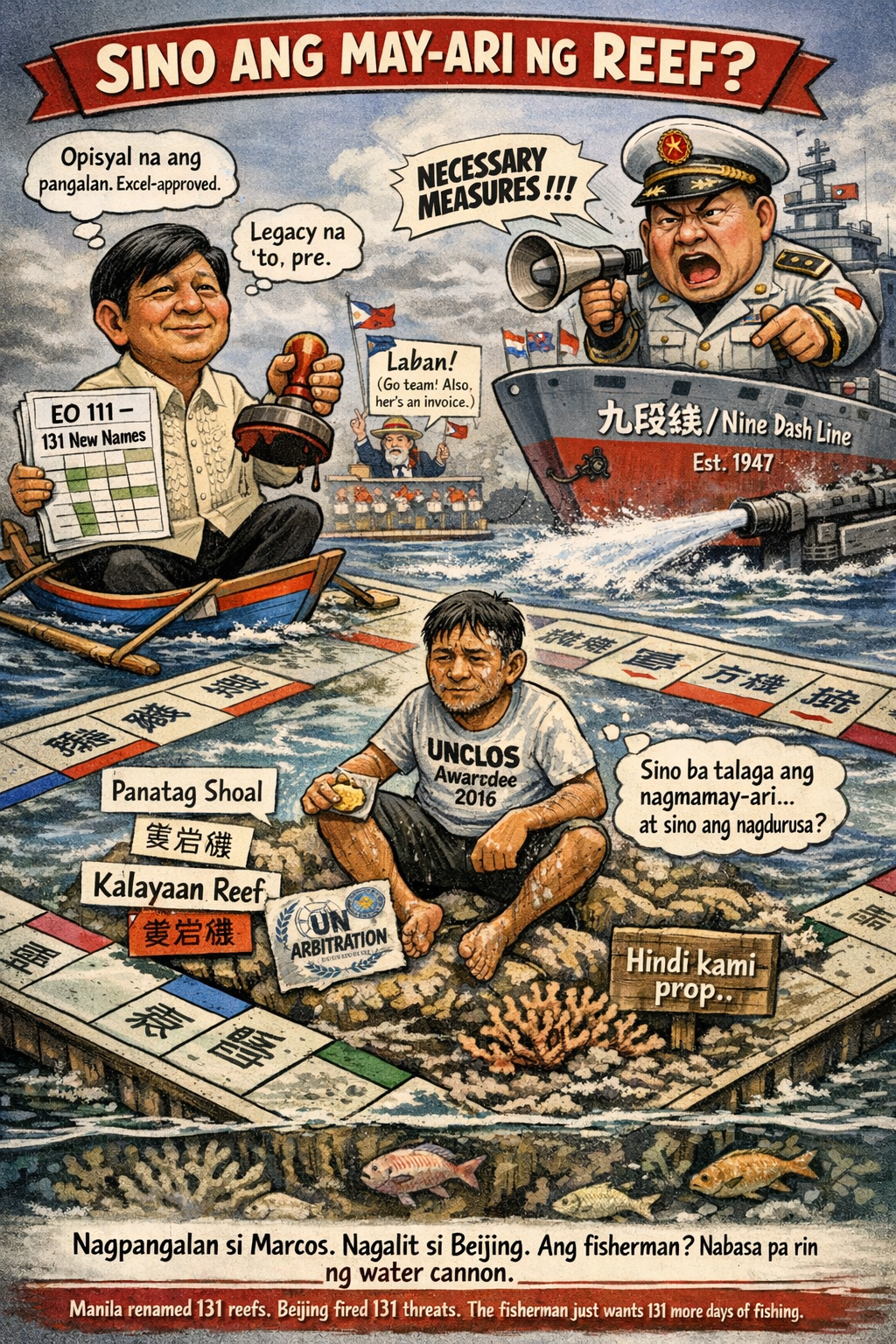
- Name Wars in the West PH Sea: Manila’s Map Trick vs. China’s Gunboat Tantrum

- Mayor Awingan’s Holy Hypocrisy: Liquor Ban or Church-State Violation?

- PH Begs Iran: “Please Call Us Non-Hostile” While Hugging US Bases



 KWEBA ni BAROK
Leave a comment