By Louis ‘Barok‘ C. Biraogo
In an era marked by unparalleled technological advancements and the promise of transparency, the recent censorship surrounding a crucial autopsy study linking COVID-19 vaccinations to deaths is not just a scandal; it’s a betrayal of public trust that demands immediate and thorough investigation. The systematic review, initially posted on The Lancet preprint server, an open-access platform that allows researchers to share preliminary scientific findings before undergoing formal peer review, suggested a high likelihood of causal links between the vaccines and 73.9 percent of 325 reviewed deaths. This revelation, however, was swiftly suppressed, allegedly due to methodological concerns—a move that reeks of censorship rather than scientific rigor.
The core of this controversy lies in the removal of the study from The Lancet’s preprint server within 24 hours. The justification given was the study’s conclusions were unsupported by its methodology. This action raises the specter of a deliberate attempt to silence dissenting voices and control the narrative around vaccine safety. Such censorship is not merely an affront to academic freedom but a direct violation of the public’s right to access critical health information, enshrined in the First Amendment of the U.S. Constitution, which guarantees freedom of speech and press.
Moreover, the ethical implications of this censorship are profound. The American Medical Association’s Code of Medical Ethics emphasizes the importance of transparency and honesty in all medical communications. By removing this study, The Lancet not only disregarded these ethical standards but also potentially compromised patient safety by withholding information that could inform individual healthcare decisions.
From a legal perspective, the suppression of this study can be viewed as a violation of the principles established in landmark Supreme Court decisions such as New York Times Co. v. United States (1971), which underscored the need for a free press to inform the public, particularly on matters of significant public concern. The removal of the study arguably inhibits public discourse on vaccine safety—a topic of paramount importance during the ongoing pandemic.
This incident also raises serious questions about the integrity of scientific research and the role of academic institutions in safeguarding public health. The authors of the study, including respected figures like Dr. William Makis and Dr. Peter McCullough, employed rigorous methodologies and called for further research and autopsies to better understand vaccine-related deaths. Their work, instead of being scrutinized through peer review, was abruptly censored, depriving the scientific community and the public of potentially lifesaving information.
The call for an investigation into soaring excess deaths is not only justified but imperative. Such an inquiry should be guided by principles of transparency, accountability, and justice. The U.S. National Institutes of Health (NIH) and the Centers for Disease Control and Prevention (CDC) must lead this effort, ensuring that all findings are made public and subject to independent review. This approach aligns with the ethical standards outlined by the Declaration of Helsinki, which mandates that medical research involving human subjects must be conducted with the utmost respect for individuals and their rights.
Furthermore, U.S. Congress must heed the growing public demand for a thorough investigation. The oversight function of Congress, as articulated in the U.S. Constitution, includes the responsibility to investigate matters that affect public welfare. An inquiry into the excess death rates and the potential role of COVID-19 vaccines is crucial. It would not only address public concerns but also restore faith in public health institutions.
Prosecution of those responsible for unethical suppression of scientific information is necessary to ensure accountability. This includes holding accountable those within academic and publishing institutions who allowed censorship to override scientific integrity. The Federal Trade Commission (FTC) could potentially investigate whether such censorship practices constitute unfair or deceptive acts under the Federal Trade Commission Act.
Justice demands that those who have suffered due to withheld information receive acknowledgment and reparations. Families of individuals whose deaths may be linked to the vaccines deserve transparent explanations and justice. This aligns with the principles of restorative justice, which seeks to repair harm and ensure accountability.
In conclusion, the unprecedented censorship of the autopsy study linking COVID-19 vaccinations to deaths is a grave injustice that undermines public trust in science and medicine. It is imperative that we uphold the principles of transparency, accountability, and justice by demanding a thorough investigation, holding those responsible for censorship accountable, and ensuring that such unethical practices are never repeated. The pursuit of truth and justice must remain paramount, especially in matters that directly impact public health and safety.

- NAIA Theft Scandal 2026: DOTr’s “Zero Tolerance” Warning After Screeners Rob Australian Tourist

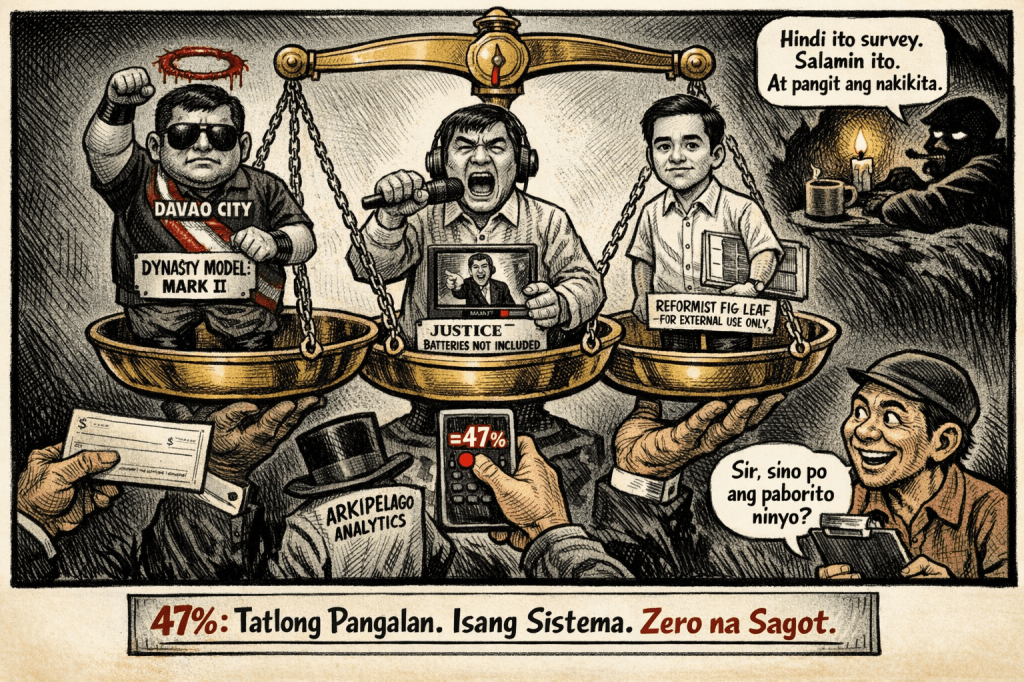
- Baste, Raffy, Vico at 47%—Philippine Democracy’s Most Honest Mirror (And It’s Ugly)
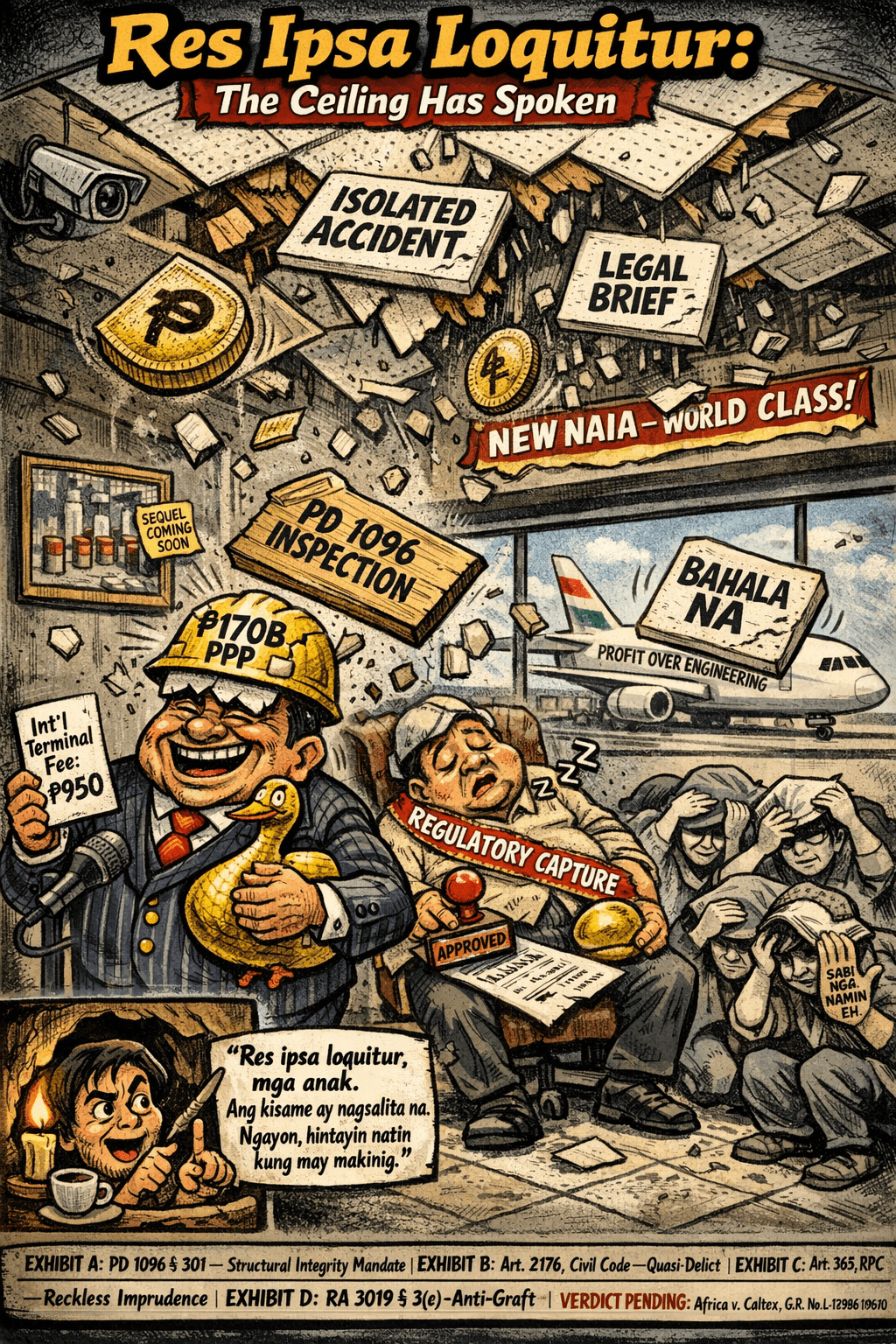
- NAIA Ceiling Collapse: Plywood Prayer or Pure Negligence?
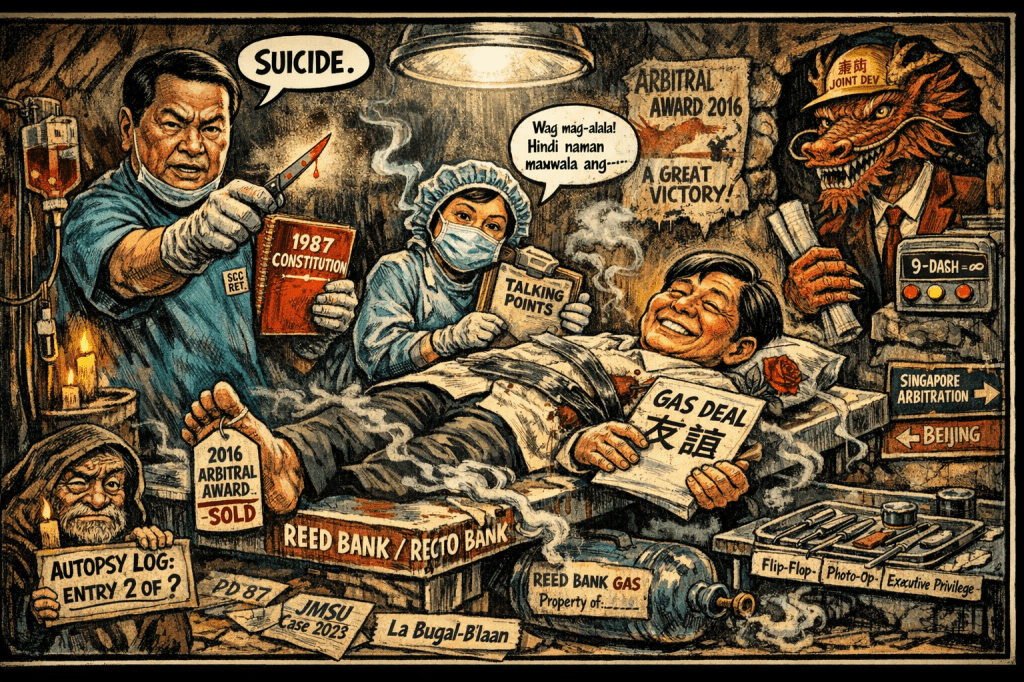
- Suicide by Gas Deal: Carpio Slams Palace Gaslighting on China Oil Pact
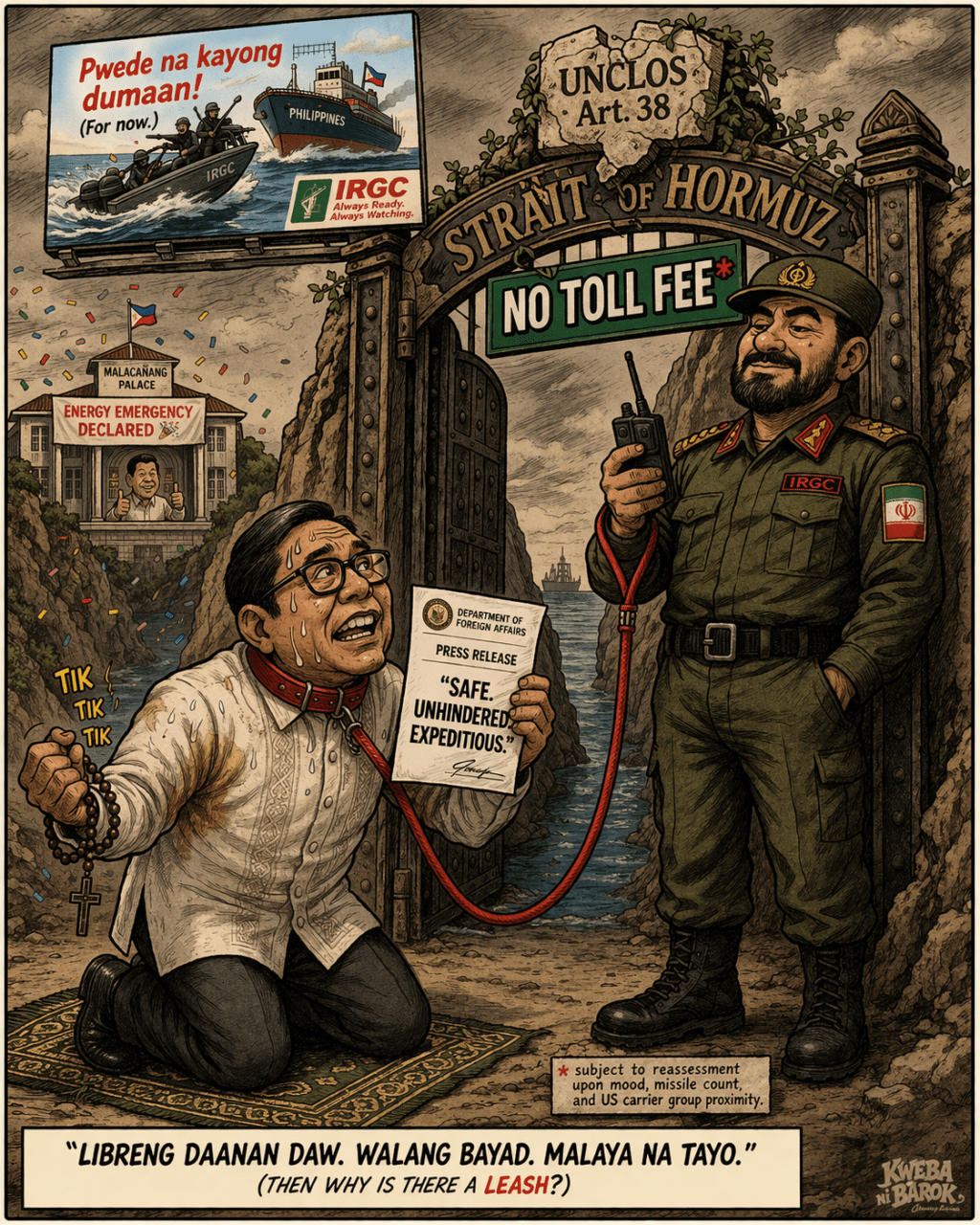
- No Toll, Just Soul: How the Philippines Groveled for Iranian “Safe Passage”
- Don Quixote of the Archipelago: Payoyo Tilts at UNCLOS Windmills
- Name Wars in the West PH Sea: Manila’s Map Trick vs. China’s Gunboat Tantrum
- Mayor Awingan’s Holy Hypocrisy: Liquor Ban or Church-State Violation?


 KWEBA ni BAROK
Leave a comment