
By Louis ‘Barok‘ C Biraogo
The recent controversy surrounding Masungi Georeserve has captured national attention, particularly following Hollywood superstar Leonardo DiCaprio’s call to protect this unique conservation area. The Department of Environment and Natural Resources (DENR), however, has maintained its stance that “no one is exempt from the law,” highlighting alleged non-compliance with Philippine laws. This dispute brings to the fore significant legal, environmental, and ethical considerations that merit thorough analysis.
Historical Background
Masungi Georeserve, a conservation area located in Baras, Rizal, is home to a diverse array of flora and fauna. Managed by the Masungi Georeserve Foundation (MGFI), it has become a popular eco-tourism site. In 2017, MGFI entered into a Memorandum of Agreement (MOA) with the DENR, aimed at the conservation and sustainable management of the area. However, recent actions by DENR Secretary Ma. Antonia Yulo-Loyzaga, who plans to cancel the MOA, have placed the future of Masungi in jeopardy.
The Case Against Masungi Georeserve
The DENR asserts that Masungi Georeserve’s operations violate several provisions of Philippine law. Key issues include:
- Public Ownership and Land Use: The DENR emphasizes that the area is public land, owned by the Filipino people. According to the 1987 Philippine Constitution, public lands cannot be alienated except in cases of agricultural purposes. Masungi’s use of the land for eco-tourism activities, including day tours and events, could be seen as a commercial use, potentially violating public land use regulations.
- Non-Compliance with Environmental Laws: The DENR alleges that Masungi’s operations are not compliant with the Philippine Environmental Impact Assessment System (PD 1586). The requirement for an Environmental Compliance Certificate (ECC) ensures that projects undergo rigorous environmental scrutiny. Although MGFI claims a Certificate of Non-Coverage, the DENR might argue that the scope and impact of their activities necessitate a full ECC.
- Joint Venture Agreements: The DENR highlights that MGFI’s founders are signatories to previous Joint Venture Agreements that are under investigation. This could indicate potential conflicts of interest or violations of agreements that govern the use of protected areas.
- Legislative Oversight: Both houses of Congress are currently investigating the agreements involving Masungi. Any findings of irregularities or legal breaches could result in legislative actions against the foundation.
Masungi Georeserve’s Defense
MGFI has robustly defended its operations and legality, citing several counterarguments:
- Non-Stock, Non-Profit Status: MGFI is registered as a non-stock, non-profit foundation with the Securities and Exchange Commission (SEC). This status implies that their primary mission is conservation, not profit-making, which could support their claim that they are not operating a commercial resort.
- Tax Compliance: The Bureau of Internal Revenue (BIR) has confirmed that MGFI has no outstanding tax obligations, which suggests fiscal compliance and reinforces their non-commercial nature.
- Environmental Compliance: MGFI asserts that they possess a Certificate of Non-Coverage for their trails, indicating that their activities have an insignificant environmental impact. This certification, under the Environmental Impact System, supports their claim of adherence to environmental regulations.
- Strict Visitor Protocols: MGFI emphasizes its implementation of strict and sustainable visitor protocols, which align with the goals of conservation and minimal environmental footprint.
- Supreme Court Precedents: In the case of Oposa v. Factoran (G.R. No. 101083), the Philippine Supreme Court recognized the right of future generations to a balanced and healthful ecology. MGFI’s conservation efforts could be seen as aligning with this precedent, focusing on the long-term preservation of the environment.
Barok’s Take
After considering the arguments and legal provisions, a balanced ruling should be based on the principles of environmental protection, legal compliance, and public interest.
- Environmental and Public Interest: The importance of conserving Masungi Georeserve cannot be overstated. As established in Oposa v. Factoran, there is a constitutional right to a balanced and healthful ecology. MGFI’s efforts to maintain strict environmental protocols and their non-profit status support the argument that their primary intent is conservation.
- Legal and Regulatory Compliance: While MGFI claims a Certificate of Non-Coverage, a thorough review should be conducted to ensure all activities comply with environmental laws. If significant impacts are identified, MGFI should be required to secure an ECC and adhere to all regulatory requirements.
- Public Ownership and Use: Given that the land is public, the DENR’s role in ensuring compliance with land use regulations is crucial. However, the conservation efforts by MGFI provide substantial public benefits. A solution could involve stricter regulatory oversight without outright cancellation of the MOA, ensuring MGFI’s activities align with public land use policies.
- Investigations and Transparency: Ongoing investigations by Congress and the DENR must be transparent and fair. If any legal breaches are found, appropriate actions should be taken against those responsible. However, conservation efforts that benefit the public and environment should be supported and not unduly hindered.
In conclusion, while Leonardo DiCaprio’s call to protect Masungi Georeserve brings international attention to the issue, the legal complexities must be addressed comprehensively. Balancing environmental conservation with legal compliance and public interest is key. The DENR, MGFI, and all stakeholders must work together to ensure that Masungi Georeserve continues to be a beacon of conservation while adhering to the laws of the land.

- NAIA Theft Scandal 2026: DOTr’s “Zero Tolerance” Warning After Screeners Rob Australian Tourist

- Baste, Raffy, Vico at 47%—Philippine Democracy’s Most Honest Mirror (And It’s Ugly)

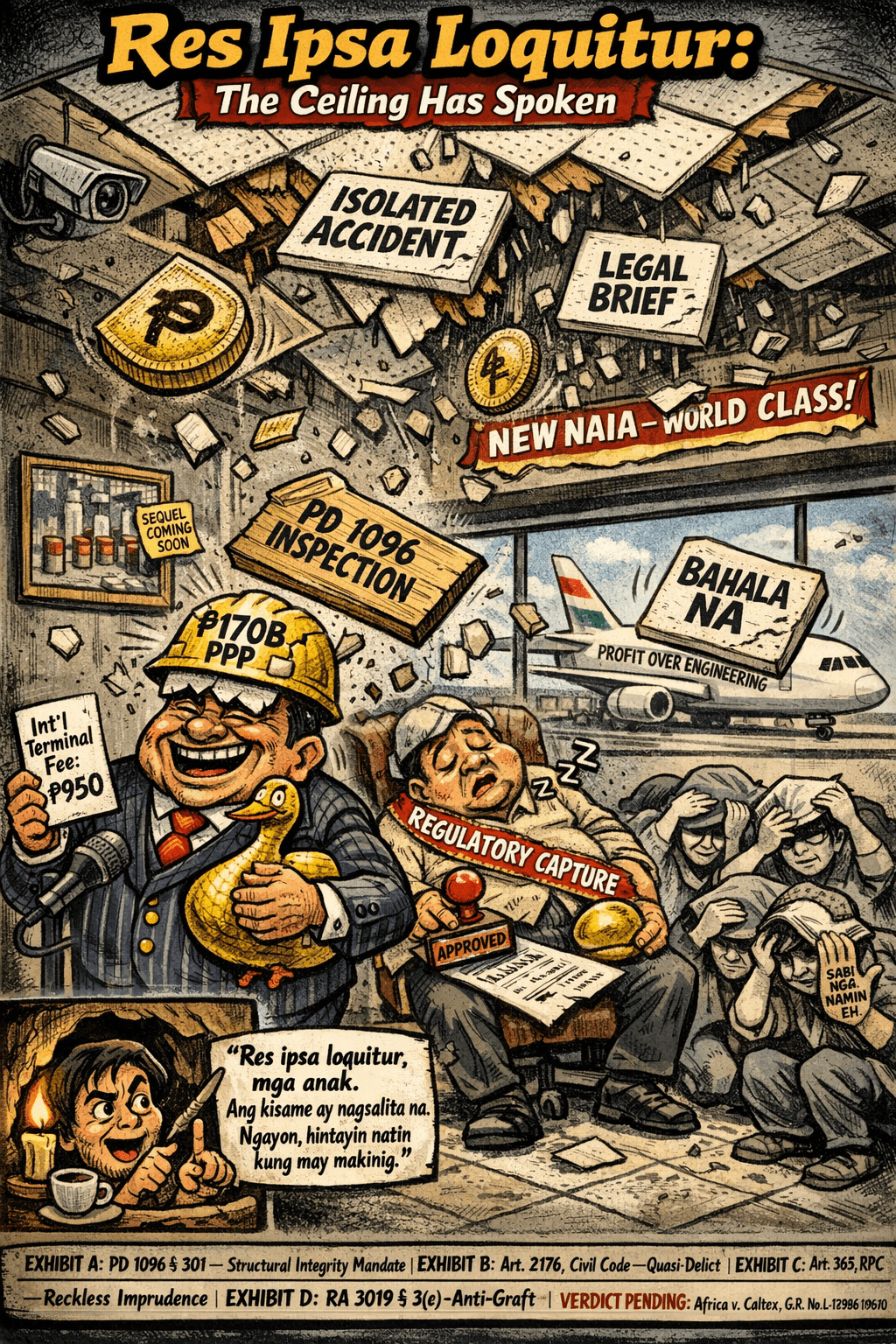
- NAIA Ceiling Collapse: Plywood Prayer or Pure Negligence?

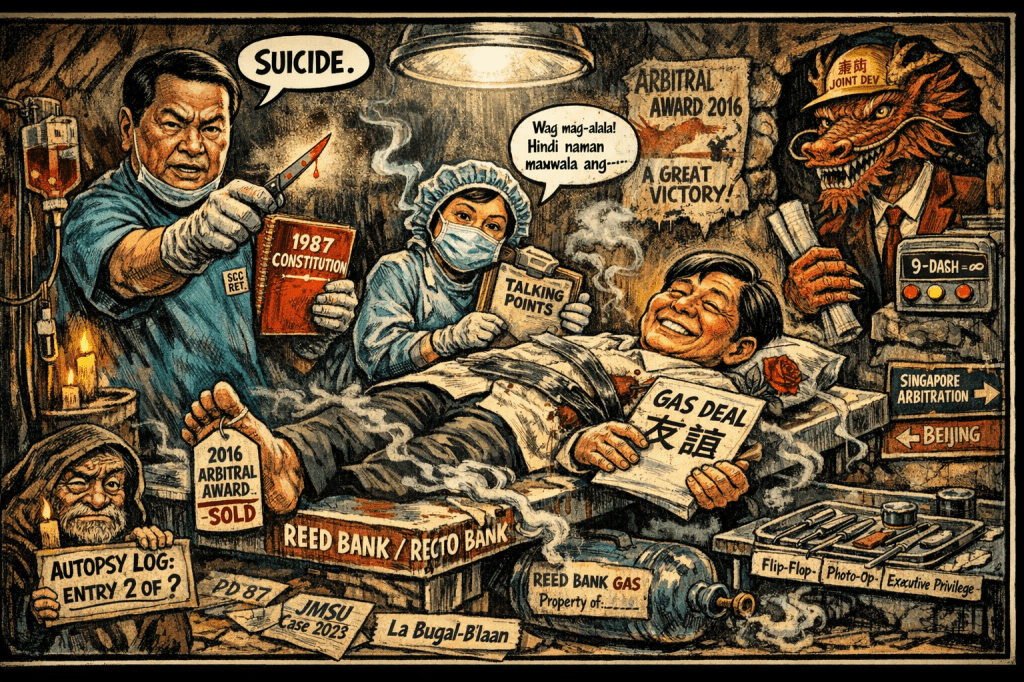
- Suicide by Gas Deal: Carpio Slams Palace Gaslighting on China Oil Pact

- No Toll, Just Soul: How the Philippines Groveled for Iranian “Safe Passage”

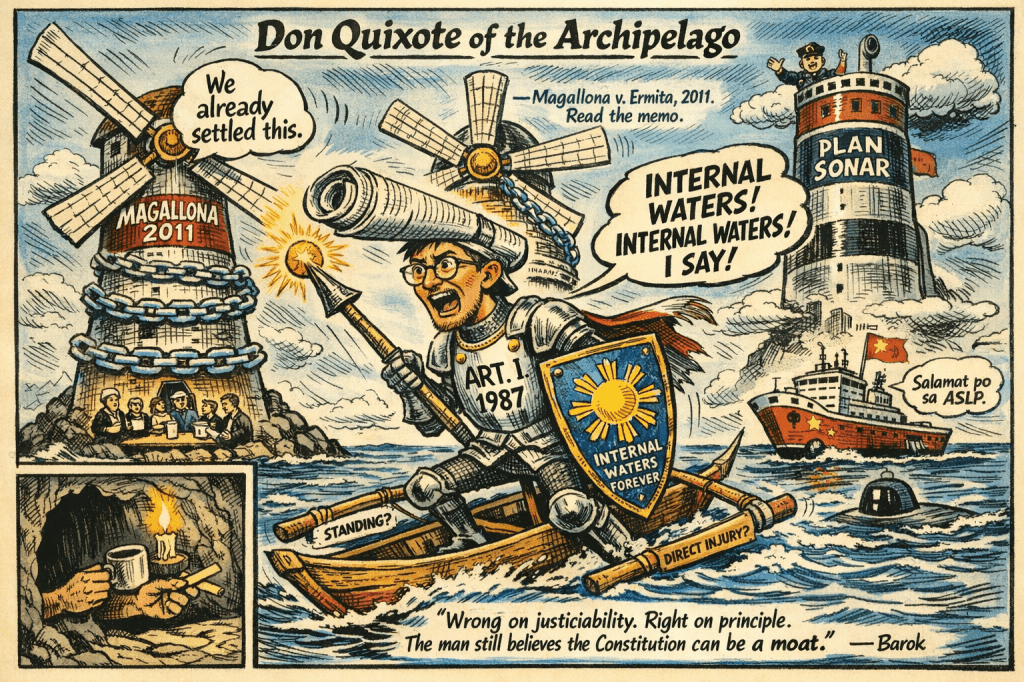
- Don Quixote of the Archipelago: Payoyo Tilts at UNCLOS Windmills

- Name Wars in the West PH Sea: Manila’s Map Trick vs. China’s Gunboat Tantrum

- Mayor Awingan’s Holy Hypocrisy: Liquor Ban or Church-State Violation?





 KWEBA ni BAROK
Leave a comment