By Louis ‘Barok‘ C. Biraogo
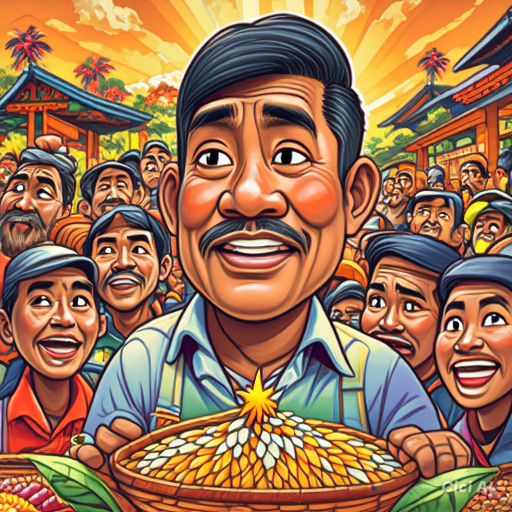
In a bold move that promises to reverberate through the economic landscape of the Philippines, the Department of Agriculture (DA) is launching a large-scale trial of the Bigas 29 program, which aims to sell rice at the astonishingly low price of P29 per kilo to vulnerable sectors. This initiative, though met with skepticism by some, stands as a testament to the DA’s commitment to addressing the crippling issue of food security and high inflation rates.
The Bigas 29 program, which will expand from a pilot run of three sites to ten locations in Metro Manila and Bulacan, is more than just a fleeting response to the current economic pressures. According to Agriculture spokesperson Asec. Arnel de Mesa, the program had been meticulously planned long before Secretary Francisco Tiu Laurel assumed office. De Mesa insists, “This will be a long-term and sustainable program,” countering criticisms that the initiative is merely a cosmetic fix aimed at pleasing the public.
The advantages of such a program are manifold. For one, it directly tackles the pervasive issue of high rice prices, which have been a significant contributor to inflation in recent months. By making rice affordable, the program can ease the financial burden on low-income families, ensuring that a basic staple remains within reach. Historical precedents from around the world show the profound impact of subsidized food programs. For instance, India’s Public Distribution System (PDS), which provides subsidized food grains to the poor, has been crucial in addressing food security and reducing poverty. Similarly, Brazil’s Bolsa Família program, though primarily a cash transfer initiative, has improved food security and nutrition among the country’s poorest citizens.
However, the Bigas 29 program is not without its potential pitfalls. Critics argue that such subsidies may strain government resources and could potentially lead to market distortions. Historical examples support this concern. Egypt’s extensive food subsidy program, while ensuring food availability, has been criticized for its heavy fiscal burden on the state and inefficiencies in distribution. Additionally, Venezuela’s subsidized food program, part of its broader economic policies, has been plagued by corruption and mismanagement, leading to severe shortages and exacerbating the country’s economic crisis.
The DA’s approach to mitigating these risks includes limiting each beneficiary to 10 kilos of rice per month and meticulously recording names and IDs to prevent abuse. As Asec. Genevieve Velicaria-Guevarra points out, “We’re listing down names to check who buys more than the limit. So far, we have not seen repeaters.” This system aims to ensure fair distribution and prevent the misuse of resources.
In light of these considerations, the success of the Bigas 29 program will hinge on its careful implementation and constant monitoring. The initiative’s phased rollout and series of trials are steps in the right direction, as they allow for adjustments and refinements based on real-world feedback.
As the program unfolds, it will be imperative for the DA to remain vigilant against potential abuses and inefficiencies. Establishing strong oversight mechanisms and transparent processes will be crucial. Furthermore, while the immediate focus is on making rice affordable, the long-term goal should include supporting local farmers to increase productivity and sustainability. Providing farmers with access to modern technology, training, and financial resources can help create a more robust agricultural sector that can meet the country’s food needs without heavy reliance on subsidies.
The DA’s initiative, championed by Secretary Francisco Tiu Laurel, represents a commendable effort to address one of the most pressing issues facing the Philippines today.It stands tall as a symbol of hope for vulnerable communities, promising relief from the relentless rise in food prices. Yet, it also serves as a reminder of the complexities inherent in such ambitious programs. Balancing immediate relief with long-term sustainability will be the key to ensuring that the Bigas 29 program not only succeeds in its initial goals but also sets the stage for a more secure and prosperous future.
In the grand scheme of things, the Bigas 29 program is more than just a policy—it is a statement. It signifies a government’s resolve to stand by its people in times of economic hardship and to take bold steps in the face of criticism. It is an initiative that, if executed with precision and integrity, could well become a model for other nations grappling with similar challenges. The world will be watching as the Philippines embarks on this ambitious journey, hopeful that it will lead to a brighter and more equitable future for all.

- MALACAÑANG MEDICAL BULLETIN: PATIENT IS ‘FINE,’ SYMPTOMS INCLUDE DENIAL

- NAIA Theft Scandal 2026: DOTr’s “Zero Tolerance” Warning After Screeners Rob Australian Tourist

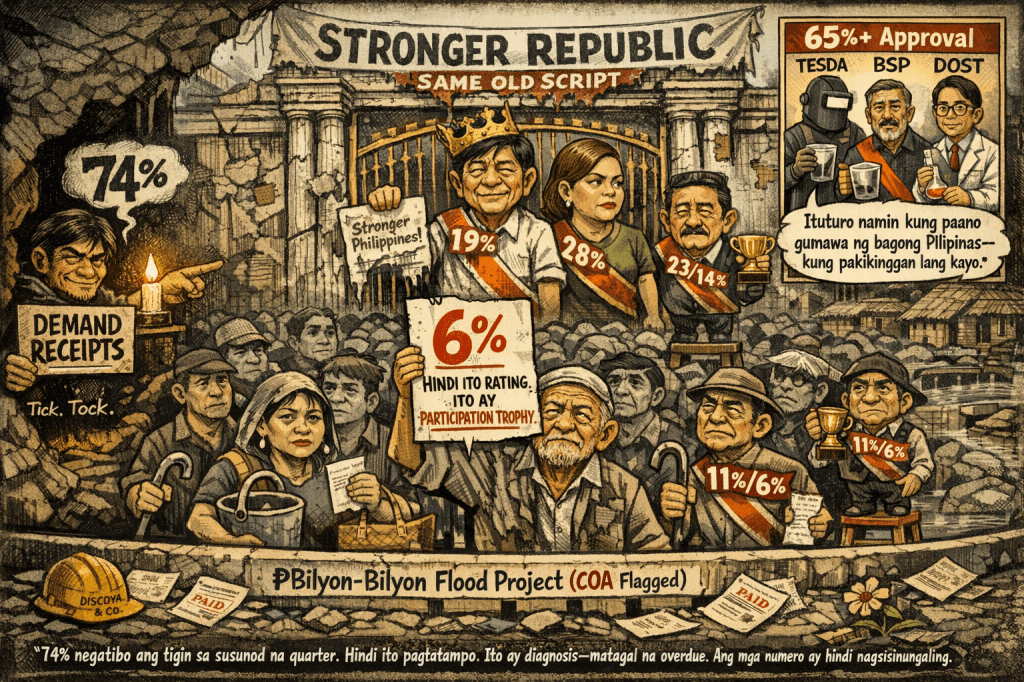
- 74% Negative Outlook: Filipinos Finally Demand Receipts, Not Promises
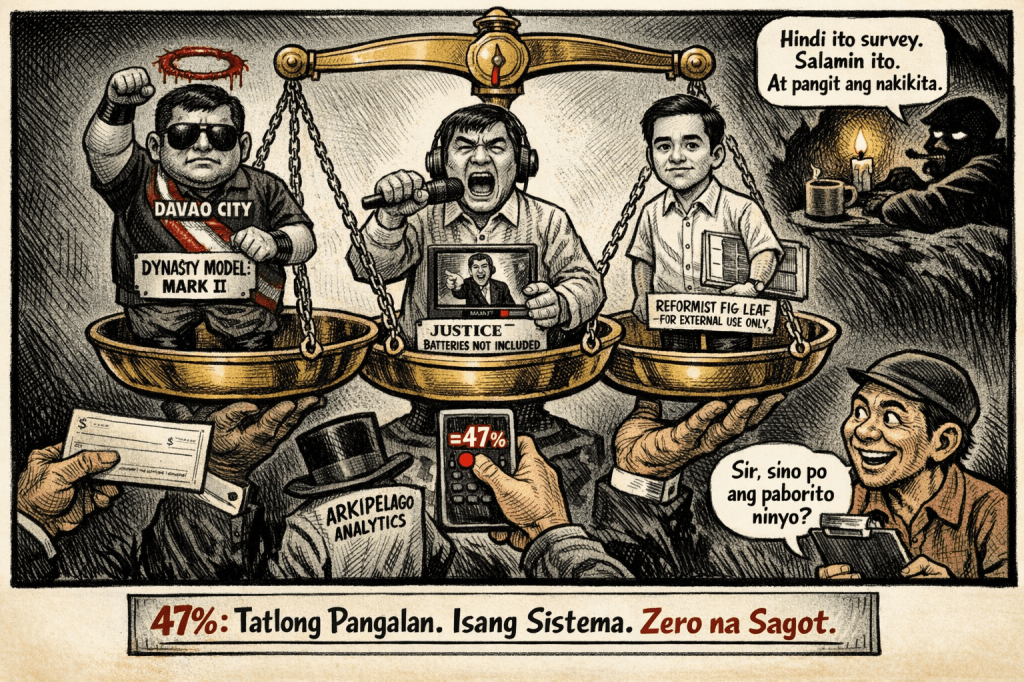
- Baste, Raffy, Vico at 47%—Philippine Democracy’s Most Honest Mirror (And It’s Ugly)
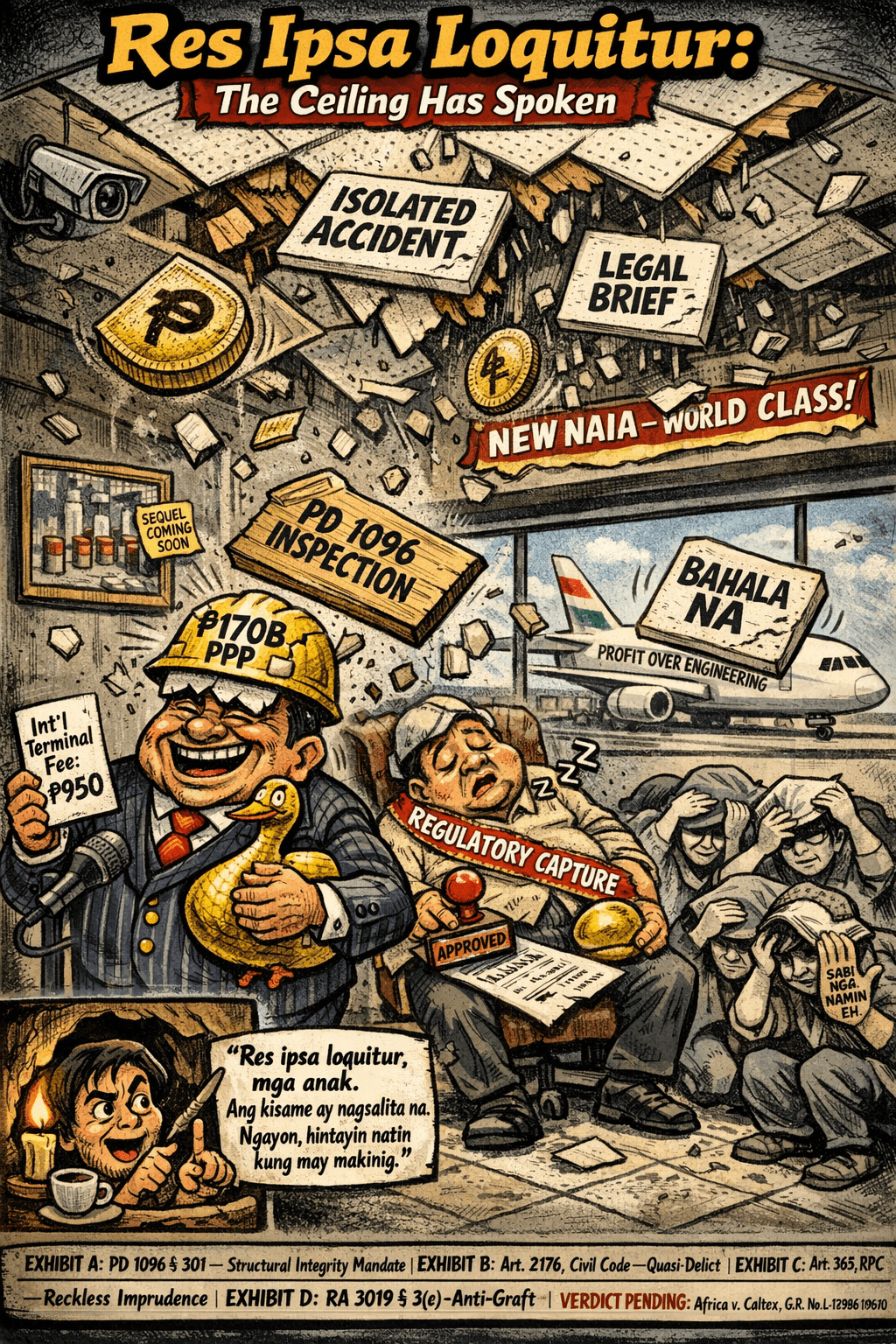
- NAIA Ceiling Collapse: Plywood Prayer or Pure Negligence?
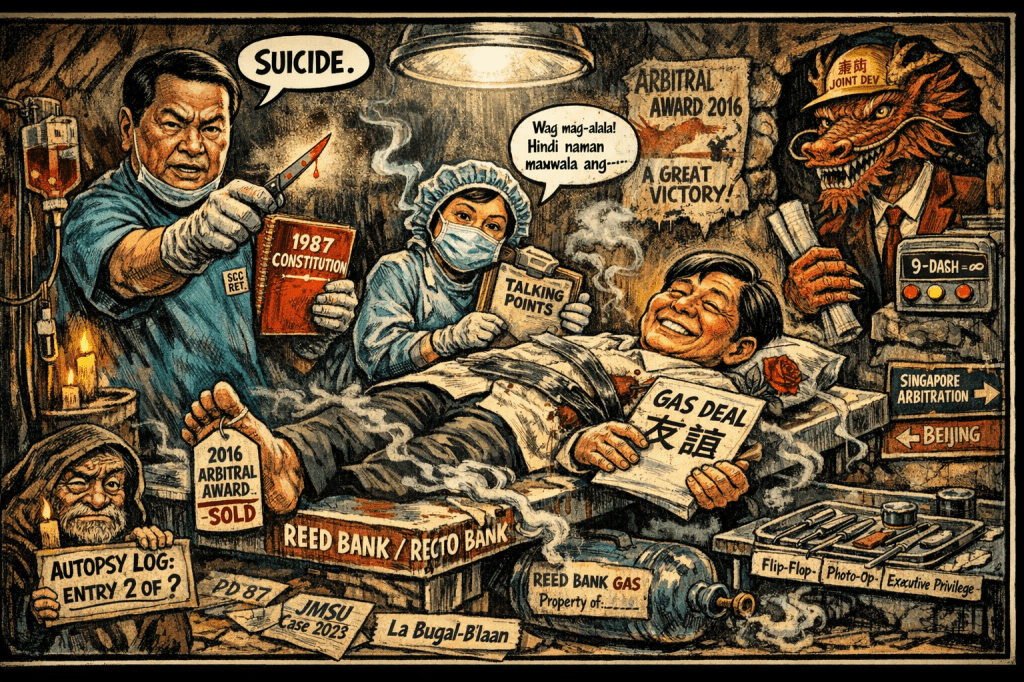
- Suicide by Gas Deal: Carpio Slams Palace Gaslighting on China Oil Pact
- No Toll, Just Soul: How the Philippines Groveled for Iranian “Safe Passage”
- Don Quixote of the Archipelago: Payoyo Tilts at UNCLOS Windmills




 KWEBA ni BAROK
Leave a comment