
By Louis ‘Barok‘ C Biraogo
In a bold move to tackle the escalating issue of crime linked to Philippine Offshore Gaming Operators (POGOs), Speaker Martin Romualdez has called for a congressional investigation. This initiative underscores the government’s commitment to curbing illegal activities and ensuring that existing regulations are effectively enforced. But behind this seemingly straightforward announcement lies a complex web of crime, corruption, and economic consequences that have far-reaching implications for the Philippines.
A Brief Background
POGOs, which cater primarily to Chinese nationals, have become a significant part of the Philippine economy since their introduction. These operators have generated substantial revenue and created thousands of jobs. However, they have also been linked to a surge in criminal activities, including money laundering, human trafficking, and various other illegal operations. The Philippine government has struggled to regulate this booming industry, and the presence of illegal POGO operations has only exacerbated the problem.
As of now, authorities estimate that up to 300 illegal POGO operators are active in the country, posing a significant challenge to law enforcement and regulatory bodies. The situation has reached a critical point, prompting Speaker Romualdez to take decisive action.
Advantages and Disadvantages of Hosting POGOs
The presence of POGOs in the Philippines has its benefits. On the positive side, POGOs have contributed to the economy by providing jobs and generating tax revenue. The influx of foreign investment has also spurred growth in the real estate sector, with increased demand for office spaces and residential properties.
However, the disadvantages are equally compelling. The most glaring issue is the link between POGOs and criminal activities. Reports of money laundering, human trafficking, and other illegal operations have marred the industry’s image. Moreover, the social impact on local communities has been significant, with rising concerns about public safety and the strain on law enforcement resources. The unchecked proliferation of illegal POGO operations has also led to regulatory challenges, undermining the rule of law and public trust in government institutions.
Commending Romualdez
Speaker Romualdez’s call for a congressional probe is a commendable and necessary step. By advocating for a thorough investigation, Romualdez is demonstrating a strong commitment to addressing the underlying issues plaguing the POGO industry. His initiative aims to unmask the masterminds and protectors behind these illegal operations, ensuring they are prosecuted to the fullest extent of the law.
From various perspectives, Romualdez is right. From a legal standpoint, the investigation will help close gaps in existing laws and improve regulatory frameworks, ensuring that POGOs operate within the bounds of the law. From a social perspective, it will protect local communities from the adverse effects of crime linked to illegal POGOs. Economically, by addressing the illegal aspects of the industry, the government can better harness the benefits of POGOs while mitigating the risks.
Recommendations
To effectively address the issues linked to POGOs, several measures should be considered:
- Strengthen Regulatory Frameworks: The government must tighten regulations governing POGOs, ensuring that operators comply with all legal requirements. This includes stringent background checks, financial audits, and regular inspections to deter illegal activities.
- Enhance Law Enforcement Capabilities: Investing in law enforcement agencies and providing them with the necessary tools and resources is crucial. This will enable them to effectively combat money laundering, human trafficking, and other crimes associated with illegal POGOs.
- Promote Transparency and Accountability: The investigation should be transparent, with regular updates provided to the public. Holding accountable those who facilitate and protect illegal POGO operations will reinforce public trust in government institutions.
- Foster International Cooperation: Given the transnational nature of POGOs, collaborating with other countries, particularly China, is essential. Joint efforts can help track and dismantle criminal networks operating across borders.
- Support Affected Communities: Programs aimed at supporting communities affected by POGO-related crimes should be established. This includes social services, community policing initiatives, and public awareness campaigns.
In conclusion, Speaker Martin Romualdez’s call for a congressional probe into POGO-linked crimes is a critical step toward restoring order and reinforcing the rule of law in the Philippines. By addressing the root causes of these issues and implementing comprehensive measures, the government can protect its citizens and ensure that the benefits of hosting POGOs do not come at an unacceptable cost. The Philippines stands at a crossroads, and the actions taken now will determine the future trajectory of its engagement with the POGO industry.

- Guilty Until Fact-Finding Ends: Chiz, Romualdez, and the Ombudsman’s Premature Verdict
- Ombudsman Remulla Slams Garafil: Release SALNs or Face Suspension!
- MALACAÑANG MEDICAL BULLETIN: PATIENT IS ‘FINE,’ SYMPTOMS INCLUDE DENIAL
- NAIA Theft Scandal 2026: DOTr’s “Zero Tolerance” Warning After Screeners Rob Australian Tourist
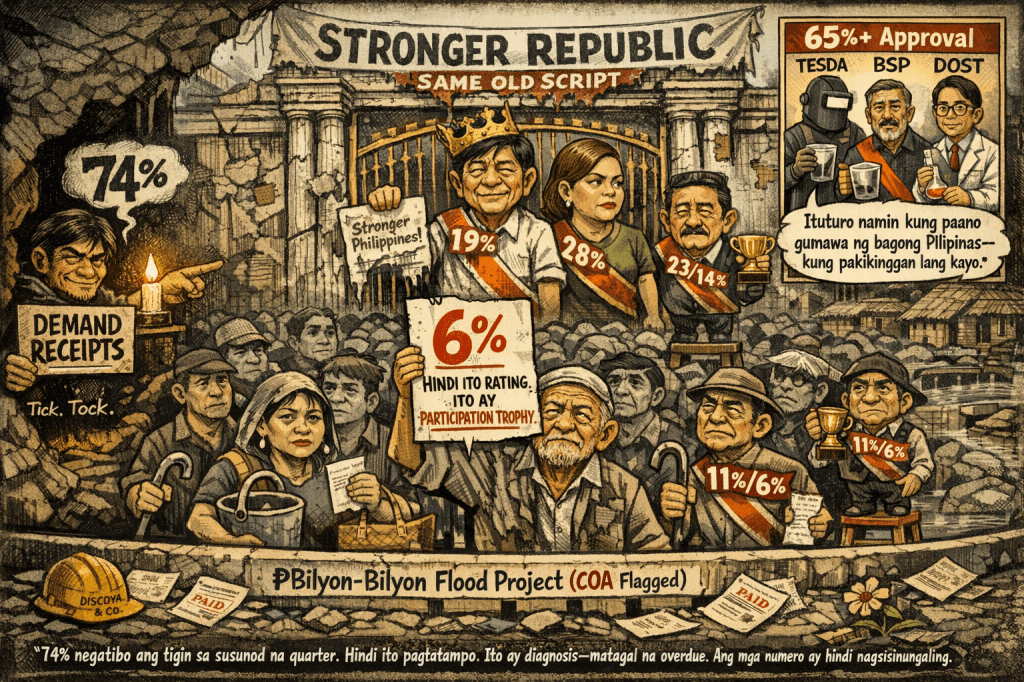
- 74% Negative Outlook: Filipinos Finally Demand Receipts, Not Promises
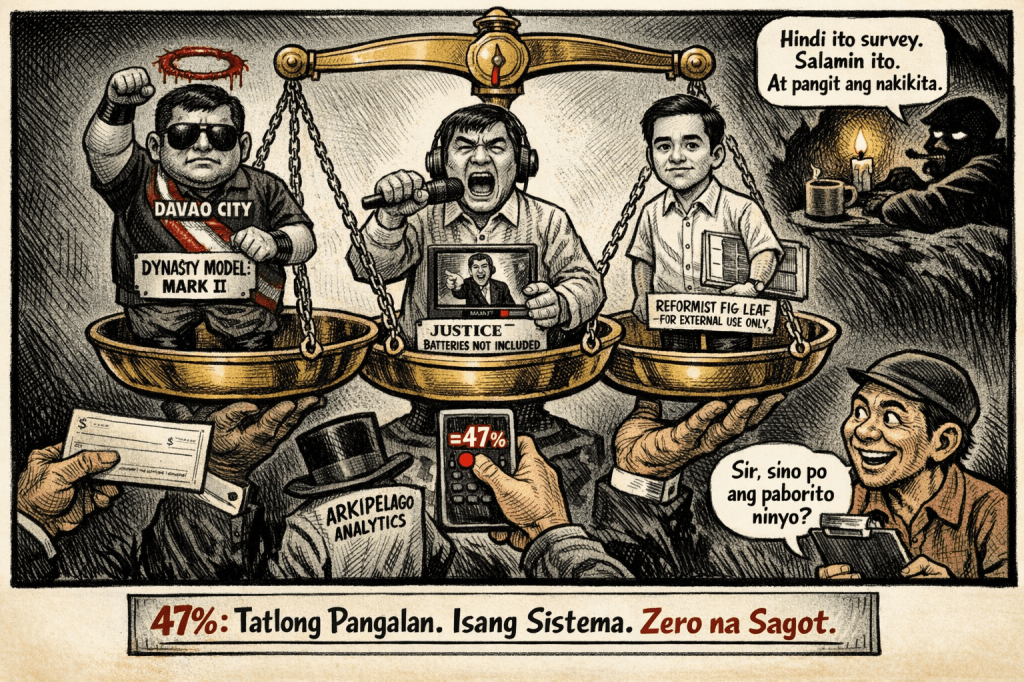
- Baste, Raffy, Vico at 47%—Philippine Democracy’s Most Honest Mirror (And It’s Ugly)
- NAIA Ceiling Collapse: Plywood Prayer or Pure Negligence?
- Suicide by Gas Deal: Carpio Slams Palace Gaslighting on China Oil Pact





 KWEBA ni BAROK
Leave a comment