By Louis ‘Barok‘ C. Biraogo
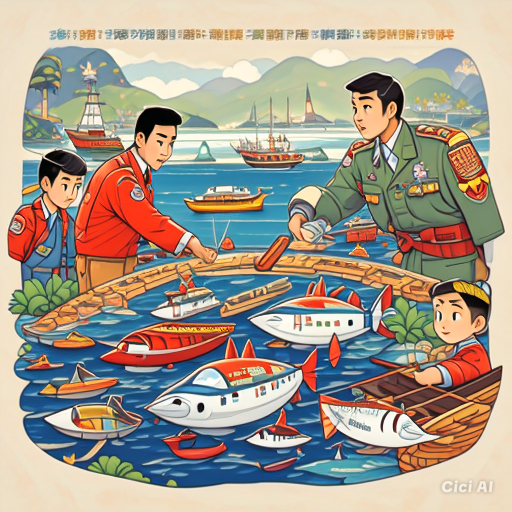
In the simmering cauldron of the South China Sea, the Philippines and Japan are on the cusp of a pivotal shift. A Reciprocal Access Agreement (RAA) between the two nations, expected to be signed during the upcoming 2+2 meeting in Manila, promises to bring their military cooperation to unprecedented levels. This potential pact marks a significant evolution in the long and complex history between the Philippines and Japan, one that could reshape regional dynamics amid growing threats from China.
History & Current Landscape
The relationship between the Philippines and Japan has traversed a tumultuous path, from the brutal occupation during World War II to a robust partnership marked by economic and security cooperation. Post-war reparations and Japan’s extensive economic assistance helped mend the rift, leading to a strategic partnership in recent years. Today, the two nations share a mutual interest in maintaining a rules-based international order, particularly in the face of China’s assertive maritime claims.
Deterrence & Defense: The Pact’s Benefits
From a strategic standpoint, the RAA represents a logical step for both nations. For the Philippines, a country facing relentless maritime incursions by China, the agreement offers several advantages:
- Enhanced Military Capability: Joint exercises with Japan will bolster the Philippines’ military readiness and interoperability with other advanced armed forces, crucial for defending its territorial integrity.
- Regional Solidarity: The pact signals a united front against coercive behaviors in the South China Sea, reinforcing the international community’s commitment to a rules-based order.
- Economic and Technological Benefits: Closer military ties often lead to increased defense technology transfers and economic cooperation, benefiting the Philippines’ broader strategic interests.
For Japan, the RAA aligns with its strategic goals:
- Counterbalancing China: By strengthening ties with Southeast Asian nations, Japan can help counterbalance China’s growing influence and ensure freedom of navigation in critical sea lanes.
- Expanding Strategic Influence: Japan’s proactive security posture under Prime Minister Fumio Kishida aims to foster deeper alliances, enhancing its influence and deterrence capabilities in the region.
- Shared Security Concerns: Both nations face similar threats from China’s maritime activities, making their cooperation not just beneficial, but necessary for regional stability.
Weighing the Costs: The Pact’s Downsides
However, the agreement is not without its risks and challenges:
- Escalation of Tensions: Closer military ties between the Philippines and Japan could provoke a more aggressive stance from China, potentially escalating conflicts in the South China Sea.
- Domestic Backlash: In both countries, nationalist sentiments could view the pact as a capitulation to foreign military influence, leading to political and social unrest.
- Dependency Risks: Relying heavily on foreign military support might undermine the Philippines’ long-term goal of self-reliance in defense.
Towards a Win-Win: Actionable Steps
For the Philippines:
- Balanced Diplomacy: Maintain open channels with China to manage tensions and avoid outright confrontation. Diplomatic engagement should complement military readiness.
- Diversified Alliances: While deepening ties with Japan, continue to strengthen relationships with other ASEAN countries and international partners to create a more balanced security framework.
- Public Communication: Clearly articulate the benefits of the RAA to the domestic audience, emphasizing national sovereignty and security enhancements.
For Japan:
- Proactive Engagement: Continue to support regional stability through economic aid, capacity-building initiatives, and active participation in multilateral forums.
- Transparent Objectives: Ensure transparency in military cooperation to mitigate concerns of regional militarization and to foster trust among neighboring countries.
- Strategic Restraint: Balance assertive postures with diplomatic measures to avoid exacerbating tensions and to promote a peaceful resolution to disputes.
In the intricate dance of geopolitics, the impending Philippines-Japan defense pact stands as a potential game-changer. It is a bold move towards collective security, but one fraught with risks that require careful navigation. As the ink dries on this historic agreement, the region watches with bated breath, knowing that the decisions made today will echo through the corridors of power and influence the balance of peace and conflict in the South China Sea for years to come.

- ₱75 Million Heist: Cops Gone Full Bandit

- ₱6.7-Trillion Temptation: The Great Pork Zombie Revival and the “Collegial” Vote-Buying Circus

- ₱1.9 Billion for 382 Units and a Rooftop Pool: Poverty Solved, Next Problem Please

- ₱1.35 Trillion for Education: Bigger Budget, Same Old Thieves’ Banquet

- ₱1 Billion Congressional Seat? Sorry, Sold Out Na Raw — Si Bello Raw Ang Hindi Bumili

- “We Will Take Care of It”: Bersamin’s P52-Billion Love Letter to Corruption

- “Skewed Narrative”? More Like Skewered Taxpayers!

- “Scared to Sign Vouchers” Is Now Official GDP Policy – Welcome to the Philippines’ Permanent Paralysis Economy






 KWEBA ni BAROK
Leave a comment