By Louis ‘Barok‘ C. Biraogo
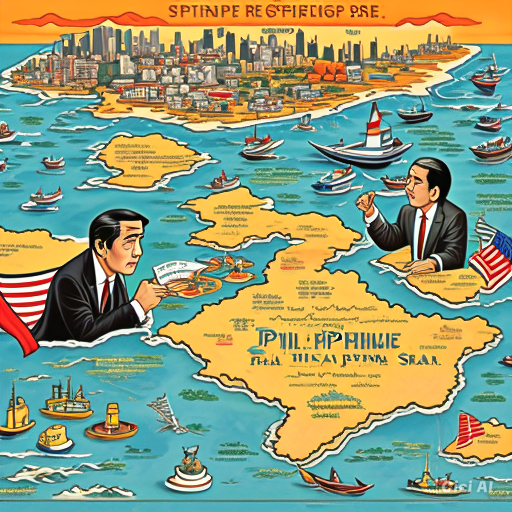
In the labyrinthine waters of the South China Sea, where strategic interests and national pride collide, the Philippines has made a daring decision. Despite escalating tensions with China, Manila has turned down offers of assistance from its treaty ally, the United States. This move, announced by Armed Forces Chief General Romeo Brawner, has left many analysts puzzled and concerned about the potential ramifications for regional stability.
A Historical Backdrop
The Philippines’ relationship with the United States is deeply rooted in history. From the days of American colonial rule to the shared sacrifices in World War II, the two nations have built a robust alliance. The 1951 Mutual Defense Treaty (MDT) solidified this bond, pledging mutual support in case of armed attacks. Over the decades, the South China Sea has emerged as a flashpoint, with China’s expansive territorial claims clashing with those of the Philippines and other Southeast Asian nations.
Balancing Act: Philippines Refuses US Assistance
- National Sovereignty: The Philippines’ decision to handle operations independently is a powerful assertion of national sovereignty. Accepting US assistance might be perceived as a sign of weakness or dependency, undermining the country’s autonomy in dealing with its territorial disputes. Historically, the Philippines has navigated a delicate balance between leveraging its alliance with the US and asserting its own sovereignty.
- Avoiding Escalation: Bringing in US forces could escalate tensions with China, potentially leading to a larger conflict. By managing the situation independently, the Philippines aims to de-escalate and avoid provoking a more aggressive Chinese response. This strategy mirrors past actions where the Philippines sought to resolve disputes through diplomatic channels rather than military confrontation.
- Domestic Politics: President Ferdinand Marcos Jr.’s administration may be prioritizing domestic political considerations, aiming to project strength and self-reliance to the Filipino people. Historical precedents, such as the decision to expel US bases in the early 1990s, reflect a recurring theme of nationalistic pride and resistance to foreign military presence.
Can Manila Handle China Alone? Repercussions of Refusing US Aid
- Strategic Vulnerability: By refusing US assistance, the Philippines risks being strategically outmaneuvered by China. The Chinese Coast Guard’s aggressive tactics, including the ramming incident on June 17, underscore the growing threat. Historically, alliances with stronger powers have provided smaller nations with crucial deterrence against larger adversaries.
- Missed Opportunities for Capacity Building: Joint operations with the US could enhance the Philippine military’s capabilities through training and technology transfer. The lack of such support may leave the Armed Forces of the Philippines (AFP) underprepared for future confrontations. Previous military exercises with the US, such as Balikatan, have significantly bolstered the AFP’s readiness and interoperability.
- International Perception: Rejecting US help might signal to other nations that the Philippines is unwilling or unable to fully leverage its alliances. This could weaken Manila’s position in international forums and diminish its bargaining power in negotiations with China. The 2016 Permanent Court of Arbitration ruling in favor of the Philippines demonstrated the power of international law and collective support, which could be undermined by a go-it-alone approach.
Recommendations
For the Philippines:
- Reevaluate the Strategic Balance: While national sovereignty is paramount, the Philippines should reconsider the strategic benefits of closer military cooperation with the US. Balancing national pride with practical security needs is essential.
- Strengthen Diplomatic Efforts: Continue to engage in diplomatic channels with China while building coalitions with other Southeast Asian nations. A united front can exert greater pressure on China to adhere to international norms.
- Public Communication: Clearly communicate the rationale behind military decisions to the Filipino public to maintain support and understanding of the government’s strategy.
For the United States:
- Flexible Support: Offer non-intrusive support options, such as intelligence sharing, logistical aid, and joint training programs, that respect Philippine sovereignty while enhancing their defense capabilities.
- Multilateral Engagement: Work with ASEAN and other regional partners to create a unified stance against aggressive actions in the South China Sea, reinforcing the rules-based international order.
- Diplomatic Backing: Continue to support the Philippines in international forums, advocating for adherence to the 2016 arbitration ruling and promoting peaceful resolution of disputes.
In the high-stakes game of geopolitics, the Philippines’ decision to turn down US help is a bold gamble. It is a testament to the nation’s desire to chart its own course, but it is fraught with risks that require careful navigation. As the waters of the South China Sea roil with uncertainty, the path to peace and stability will demand a delicate balance of strength, diplomacy, and strategic alliances. The world watches with bated breath, knowing that the outcome of this standoff will reverberate far beyond the shores of the Philippines.

- Andres Heralds DoJ’s Transformative Justice

- Sailing to New Horizons: PEZA Sets Ambitious PHP250-B Approval Target for 2024

- Panga’s Bold Vision: The Paradigm Shift of Iwahig Mega Economic Zone

- Panga’s Pragmatic Approach to Sino-Philippine Investments

- The Shadow Over Manila

- Shadow of the Red Notice: Remulla hunts down Teves

- Frozen Enigma: NBI Bacolod’s Tussle with Darkness

- Quiboloy’s Supreme Court Shenanigans: A Pathetic Attempt to Dodge Justice




 KWEBA ni BAROK
Leave a comment