By Louis ‘Barok‘ C. Biraogo
In the swirling vortex of climate crisis and energy transition, the Philippines finds itself at a crucial crossroads. The country, heavily reliant on coal, faces an intense dilemma: how to shift towards renewable energy without destabilizing its economy. Recently, Arsenio M. Balisacan, Secretary of the National Economic and Development Authority (NEDA), made a striking assertion: the Philippine economy cannot handle a rapid transition to renewable energy. His statement, though rooted in realism, raises pivotal questions about the nation’s energy future.
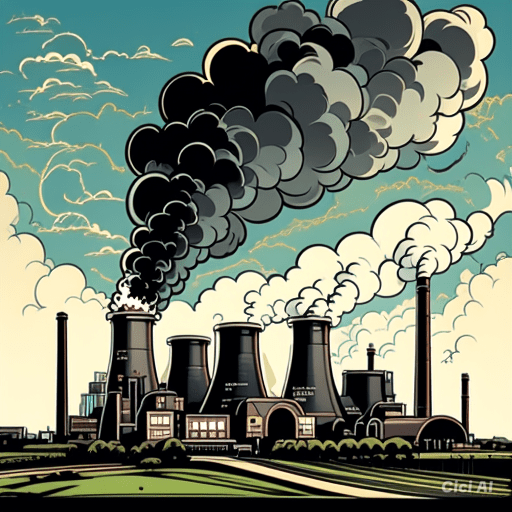
The status quo of the Philippines’ energy infrastructure is stark. Latest data from the UK-based think tank Ember paints a bleak picture: the Philippines is the most coal-dependent country in Southeast Asia and the seventh in the world. Coal-generated electricity accounted for a staggering 61.9% of the country’s energy mix in 2023, an increase from the previous year despite efforts to shift to renewables. Renewable energy sources currently make up only 22% of the power generation mix, a figure far from the government’s ambitious goals of 35% by 2030 and 50% by 2050.
Balisacan’s argument for a measured transition is built on several pillars. Firstly, he highlights the economic disparity between the Philippines and wealthier nations that have successfully transitioned to renewable energy. These countries possess advanced technologies and robust financial systems that enable a smoother transition. The Philippines, in contrast, lacks both the technological infrastructure and financial capacity necessary for a rapid shift. Moreover, despite opening up to full foreign ownership of renewable energy projects, progress has been sluggish, hampered by regulatory and infrastructural bottlenecks.
Historically, similar transitions in other developing countries have underscored the importance of gradual change. India, for instance, has taken a cautious approach to its renewable energy goals, prioritizing economic stability and incremental advancements. Balisacan also underscores the role of solar batteries in revolutionizing the energy landscape, but notes that widespread adoption is contingent on significant improvements in the enabling environment, including better regulatory frameworks and financial incentives.
Yet, opposing voices argue that Balisacan’s caution might be overly conservative. Critics point to the dire consequences of continued coal dependency, both environmentally and economically. They argue that the Philippines has much to gain from accelerating its renewable energy transition. Cleaner energy sources could reduce the nation’s high cost of power and attract foreign investments, which are increasingly aligned with sustainable practices. Moreover, they argue, the Philippines can seek financing from international bodies such as the Green Climate Fund and the Global Environment Facility, which have previously supported climate adaptation projects in the country.
Additionally, the moratorium on new coal-fired power plants issued by the Department of Energy (DoE) in 2020 reflects a growing recognition of the need to pivot towards cleaner energy sources. However, the slow rollout of renewable projects points to systemic issues that need urgent addressing. Streamlining the permitting process for renewable energy projects, reducing regulatory ambiguities, and fostering better cooperation with local government units are crucial steps toward accelerating this transition.
So, what can be done? An objective assessment suggests a balanced approach. The government should indeed take into account the economic constraints highlighted by Balisacan, but it must also capitalize on the long-term benefits of renewable energy. Here are some recommendations:
- Strengthen Regulatory Frameworks: Simplify and expedite the permitting process for renewable energy projects. Clear, consistent regulations will attract both local and foreign investors.
- Enhance Financial Incentives: Increase access to financing for renewable energy projects through partnerships with international bodies and by offering incentives to private investors.
- Invest in Technology and Infrastructure: Focus on developing the necessary infrastructure, such as transmission lines and ports, to support renewable energy projects. Investment in research and development of renewable technologies should also be prioritized.
- Public Awareness and Education: Launch campaigns to educate the public and stakeholders about the long-term economic and environmental benefits of renewable energy.
- International Cooperation: Leverage international aid and partnerships to access advanced technologies and financial support, ensuring a smoother transition.
In conclusion, the Philippines stands at a pivotal moment in its energy journey. The stakes are high, and the path forward is fraught with challenges. Yet, with a strategic and balanced approach, the country can navigate this transition, ensuring economic stability while paving the way for a sustainable future. The time for decisive action is now, and the world watches with bated breath as the Philippines charts its course through these turbulent waters.






 KWEBA ni BAROK
Leave a comment