
By Louis ‘Barok‘ C. Biraogo
Background of the Controversy
The Local Water Utilities Administration (LWUA) took control of the Cagayan de Oro Water District (COWD) in May 2024, following concerns about high levels of non-revenue water (NRW). The takeover sparked controversy and led to street protests, particularly after a Department of Justice (DOJ) opinion was released on June 18, 2024, questioning the legality of the LWUA’s actions. Justice Undersecretary Raul Vasquez highlighted that the LWUA’s intervention is permissible only if a water district defaults on loan payments to the regulatory body, as per sections 36 and 61 of the Provincial Water Utilities Act of 1973. This opinion has fueled ongoing debates and protests in Cagayan de Oro.
Why LWUA Took Action
LWUA maintains that its intervention is justified under Presidential Decree No. 198 (PD 198), which governs the operation of water districts in the Philippines. The decree authorizes LWUA to step in when a water district fails to meet certain operational standards, such as addressing NRW levels, which are stipulated in financial assistance contracts (FACs). According to LWUA Chairman Ronnie Ong, the COWD’s failure to reduce its NRW to the required 20% level, with current levels at 49.08%, constitutes a breach of their FAC.
Interim COWD General Manager Fermin Jarales supports this stance, citing a regional court’s dismissal of a petition to halt the takeover, reinforcing the legality of LWUA’s actions. Jarales also contends that DOJ opinions are advisory and not binding, with final legal authority resting with the courts.
Legal Justifications:
- PD 198: This decree provides LWUA the mandate to ensure the efficient and sustainable operation of water districts.
- Section 61 of the Provincial Water Utilities Act of 1973: This section allows LWUA to intervene in water districts under specific conditions, particularly loan defaults.
- Financial Assistance Contracts (FACs): These contracts often include provisions requiring water districts to achieve certain operational benchmarks, including NRW reduction.
Examining the DOJ’s Position
The DOJ, in its June 18 opinion, argues that the LWUA’s authority to intervene is strictly limited to instances of loan default. The opinion emphasizes that mismanagement or operational inefficiencies, such as high NRW levels, do not automatically justify a takeover under the current legal framework.
The DOJ points out that the COWD’s existing loan with a remaining balance of P11 million was not directly tied to the NRW reduction program. Therefore, failure to meet NRW targets does not equate to a loan default under Section 36 of PD 198.
Legal Justifications:
- Sections 36 and 61 of the Provincial Water Utilities Act of 1973: These sections limit LWUA’s intervention powers to cases of loan default.
- DOJ’s Advisory Role: While DOJ opinions are persuasive, they provide legal interpretations that can influence but do not dictate final outcomes.
- Role of Water District’s Policy-Making Body: The DOJ underscores that determining water rates and charges falls within the jurisdiction of the water district’s governing body, not LWUA.
Supreme Court Precedents
Several Supreme Court decisions provide context for interpreting the authority of regulatory bodies like LWUA:
- Republic vs. CA and National Power Corporation (G.R. No. 125104, December 29, 1998): This case underscored the necessity of adhering to statutory limits of regulatory authorities.
- Manila Electric Company vs. Secretary of Energy (G.R. No. 166769, October 23, 2006): The Court highlighted the importance of regulatory bodies acting within the bounds of their delegated powers.
- MWSS vs. CA and First Holdings Corporation (G.R. No. 134296, November 23, 2000): This decision affirmed that contractual obligations and the specific terms within agreements must be respected by regulatory interventions.
Barok’s Analysis and Finding
After a thorough examination, it appears that the DOJ’s interpretation of the legal framework governing LWUA’s powers is more aligned with the statutory limits set by the Provincial Water Utilities Act of 1973 and PD 198. The LWUA’s broad interpretation of its intervention powers, based on operational inefficiencies, does not hold up against the explicit requirement of a loan default.
Ruling: The LWUA’s takeover of COWD is not justified solely based on high NRW levels or perceived mismanagement without a corresponding loan default. The intervention exceeds the regulatory boundaries set by law.
Recommendations
For LWUA:
- Reevaluate the Basis for Intervention: Ensure that future takeovers strictly adhere to the legal criteria of loan default or other clear statutory grounds.
- Strengthen Support Programs: Focus on providing technical and financial assistance to water districts to help them meet operational benchmarks without resorting to takeovers.
For COWD:
- Improve Operational Efficiency: Prioritize the reduction of NRW and other inefficiencies to meet contractual obligations and avoid future regulatory scrutiny.
- Engage in Dialogue: Open channels of communication with LWUA to collaboratively address performance issues and clarify the terms of financial assistance contracts.
In conclusion, while LWUA’s intentions to improve water district operations are commendable, it must operate within the defined legal parameters to maintain legitimacy and avoid unnecessary conflicts.

- Ombudsman Remulla Slams Garafil: Release SALNs or Face Suspension!
- MALACAÑANG MEDICAL BULLETIN: PATIENT IS ‘FINE,’ SYMPTOMS INCLUDE DENIAL
- NAIA Theft Scandal 2026: DOTr’s “Zero Tolerance” Warning After Screeners Rob Australian Tourist
- 74% Negative Outlook: Filipinos Finally Demand Receipts, Not Promises

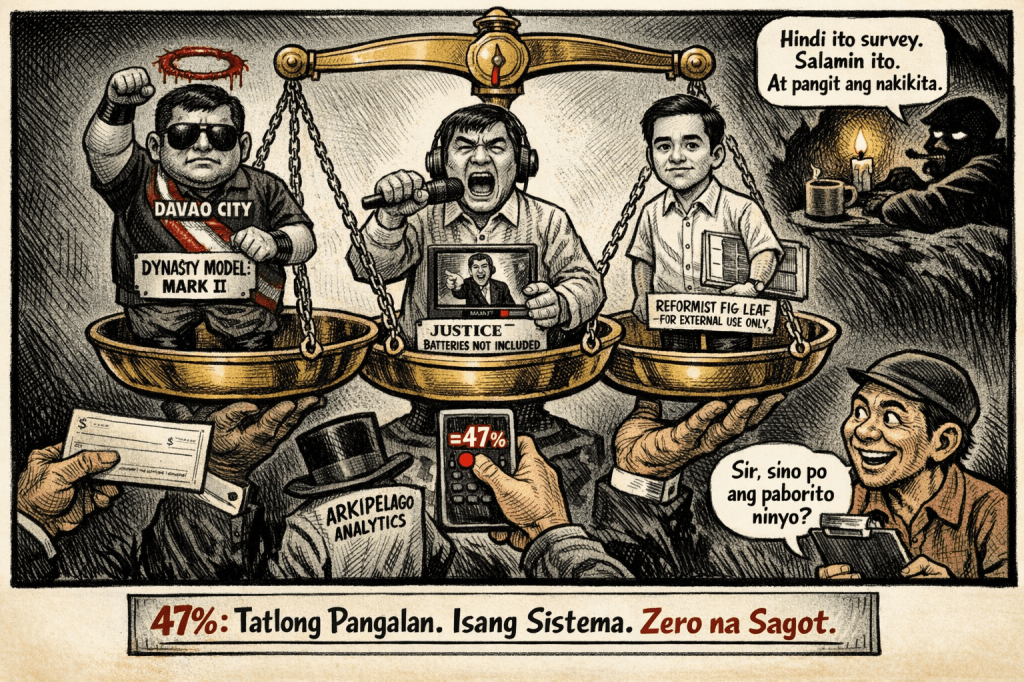
- Baste, Raffy, Vico at 47%—Philippine Democracy’s Most Honest Mirror (And It’s Ugly)

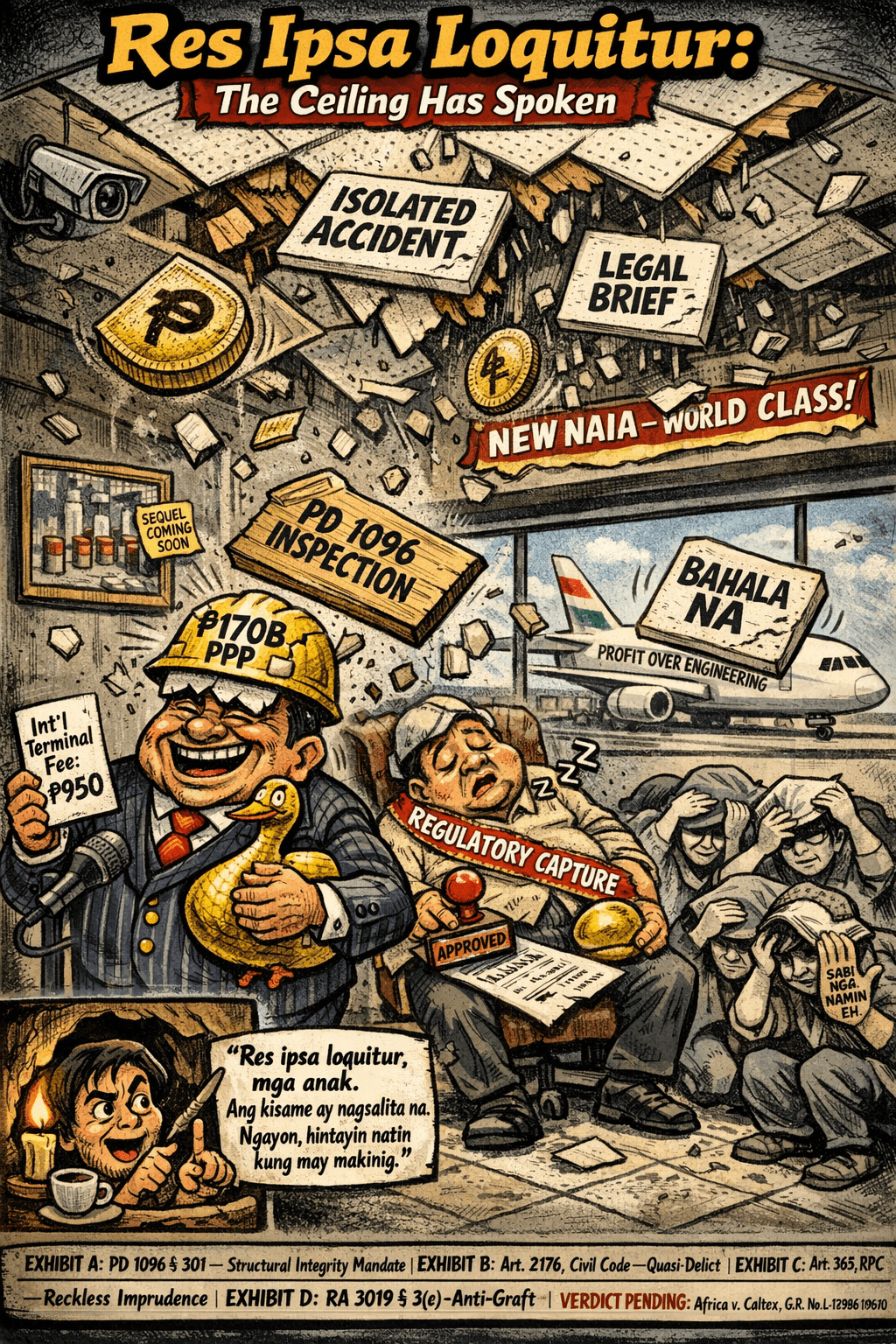
- NAIA Ceiling Collapse: Plywood Prayer or Pure Negligence?
- Suicide by Gas Deal: Carpio Slams Palace Gaslighting on China Oil Pact
- No Toll, Just Soul: How the Philippines Groveled for Iranian “Safe Passage”



 KWEBA ni BAROK
Leave a comment